


In Gary, Indiana, a power outage stopped being only an issue of ruined groceries and lost power once residents who needed electricity for medical devices spent days without dependable power.
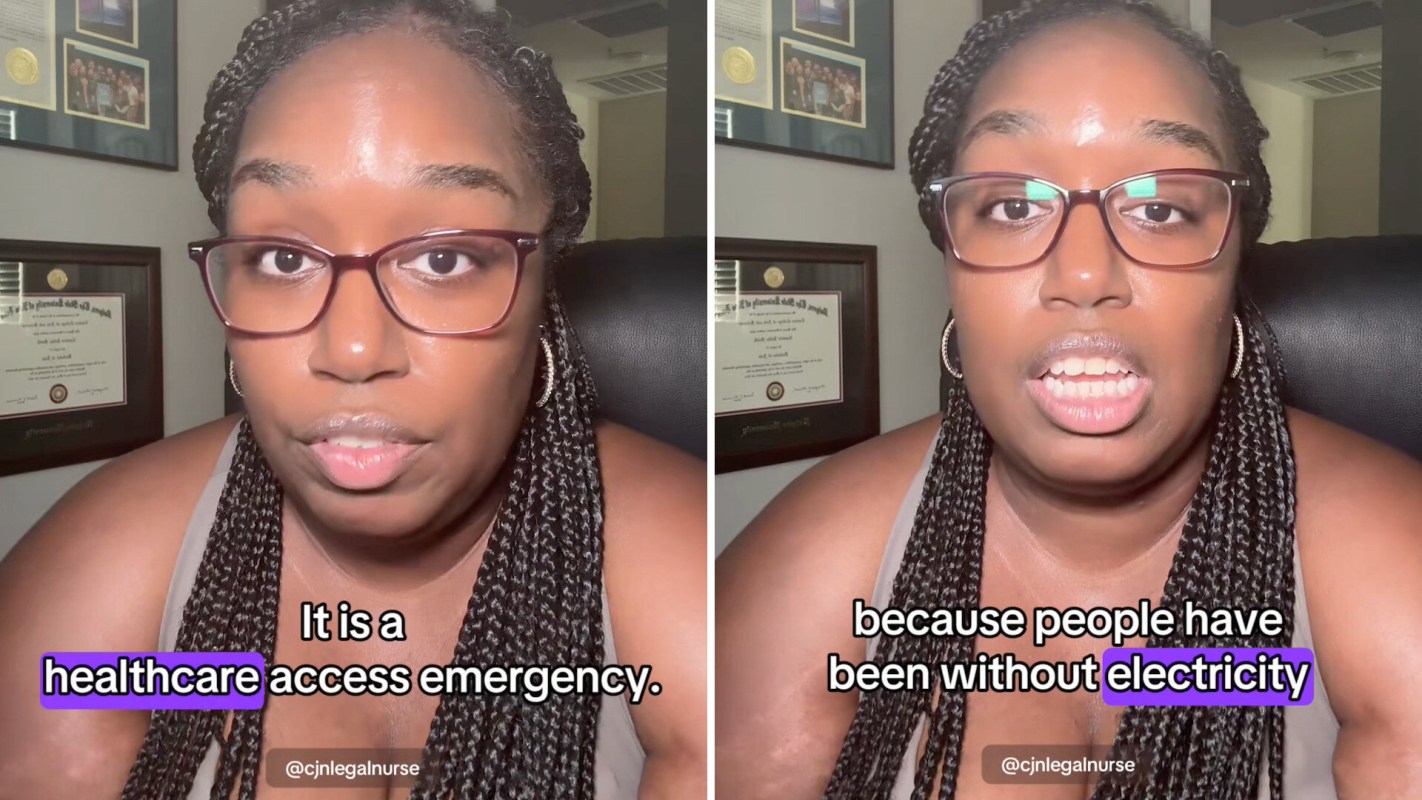
In a now-widely shared video, one healthcare advocate pushed that point further, calling the situation "a healthcare access emergency" and questioning how much patient harm may have been caused by the blackout.
Here's what to know
This healthcare advocate, Cambria Nwosu, explained that, per Capital B Gary, around 30,000 people in the city lacked electricity on August 17. These tens of thousands of people had no power even though the outages began six days prior, due to 99-mph winds that knocked out electricity to about 36,000 customers in Gary.
Nwosu explained that "when a city has to open an oxygen refill station because people have been without electricity for nearly a week, that outage is no longer just an inconvenience. It is a healthcare access emergency."
@cjnlegalnurse 8/18/26 Gary's prolonged outage is not simply a story about spoiled food and dark houses. After nearly a week without electricity, the city opened an oxygen-refill station for residents who depend on home medical equipment. Hospitals and outpatient facilities experienced power disruptions, and some residents dependent on electric well pumps lost running water. What remains unanswered is significant: How many people lost medications, could not operate medical equipment, needed emergency care or had healthcare disrupted? No outage-related medical death in Gary has been independently confirmed. That does not make these unanswered patient-safety questions irrelevant. 📩 For more healthcare news and analysis beyond the headline, subscribe to The CJN Brief free at https://www.sunincorp.net/cjn-brief. Educational only. Not medical or legal advice. #GaryIndiana #PowerOutage #PatientSafety #HealthcareAccess #PublicHealth ♬ original sound - Cambria Nwosu, DNP, RN, LNC
She asked, "How many people lost medications, could not operate medical equipment, needed emergency care, or had healthcare disrupted?"
Nwosu concluded in the video that, "What we can ask is why after days without power … nobody appears to be publicly counting the health consequences. Because electricity is healthcare infrastructure too."
TCD Picks » Quince Spotlight
💡These best-sellers from Quince deliver affordable, sustainable luxury for all




In the caption of her video, Nwosu added that "no outage-related medical death in Gary has been independently confirmed. [But] that does not make these unanswered patient-safety questions irrelevant."
One commenter wrote, "This is why we need [a] transition into solar energy."
More background
Oxygen access was only part of the problem. Methodist Hospital said power had been restored to its Northlake and Southlake hospitals, but its latest public notice still showed the Mid Lake campus without utility power.
Meanwhile, Franciscan Health also temporarily closed Northwest Indiana physician offices and Express Care sites because of the outages.
The blackouts also meant some residents lost running water. In homes that depend on private wells, electric pumps stop working when the power goes out, making it harder to drink, bathe, flush toilets, or manage health needs at home.
Extended power losses can keep people from running oxygen machines, storing temperature-sensitive medications, charging mobility devices, or accessing outpatient care. For families already managing illness or disability, a prolonged outage can quickly become a medical access crisis.
Indiana officials have linked at least seven deaths statewide to this storm emergency.

Get TCD's free newsletters for easy tips, smart advice, and a chance to earn $5,000 toward home upgrades. To see more stories like this one, change your Google preferences here.






