


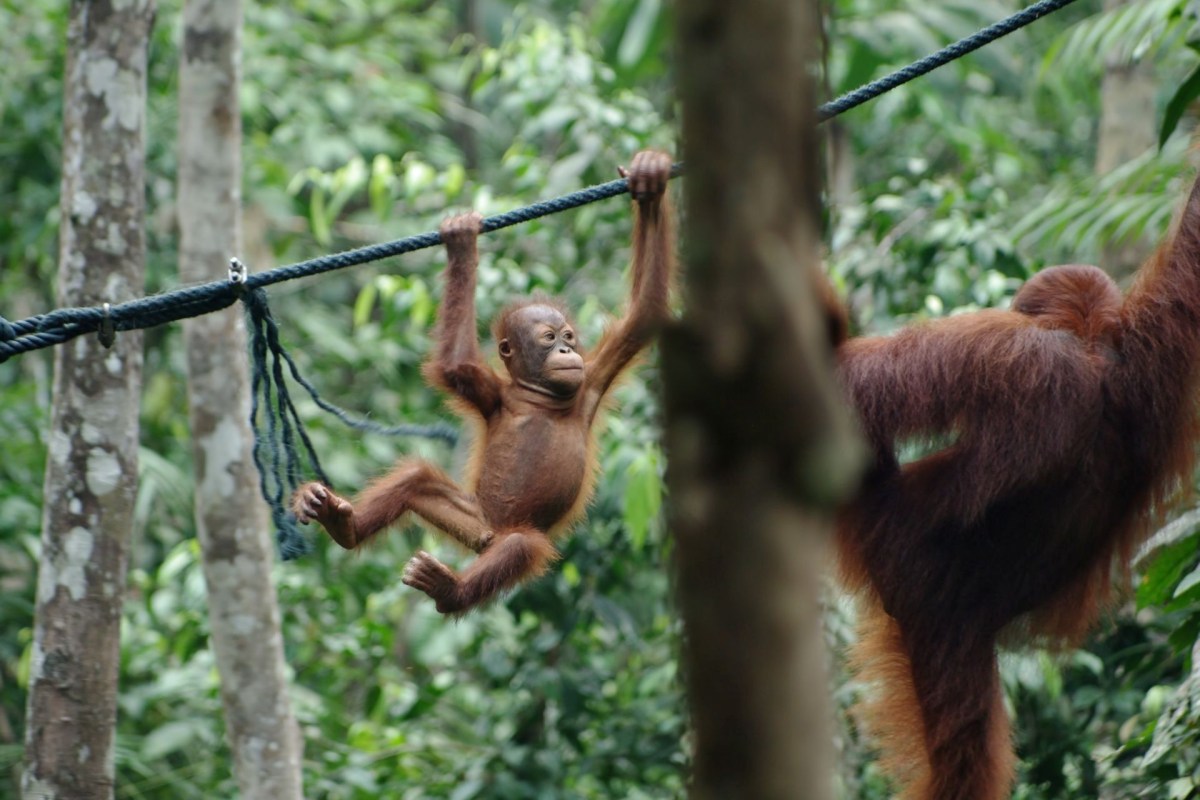
An Indiana-led orangutan breeding effort is fueling an unusual run of births at American zoos and drawing attention to how captive programs might help protect wild apes.
Eight orangutan babies have been born in U.S. zoos, representing an unusually high total for one of the planet's most endangered great apes.
Here's what to know
The births were the product of long-term planning, not luck, as Wired's Brian Kahn detailed in a video on the outlet's TikTok account (@wired).
@wired The success of a program linking zoos across the US has generated a wave of interest in how to protect the endangered great apes in the wild.
♬ original sound - WIRED.COM
Kahn said Fort Wayne Zoo and the Orangutan Species Survival Plan relied on decades of research to build a deliberate, closely managed breeding program.
Care for the apes in the program borrows heavily from human reproductive medicine. Zoos use human birth control and prenatal vitamins, train orangutans to urinate on human pregnancy tests, and may call in human OB-GYNs to help with deliveries.
These young orangutans are expected to stay in zoos rather than be returned to the wild, Kahn said. Keepers view them as ambassadors that can help visitors relate more personally to threats such as deforestation and climate change.
TCD Picks » Quince Spotlight
💡These best-sellers from Quince deliver affordable, sustainable luxury for all




Meanwhile, wild orangutans face mounting danger as rainforest in Borneo and Sumatra is cleared for palm oil plantations and babies are sold on the black market as pets, he noted in the video.
More background
By helping visitors feel emotionally connected to the animals, zoos can make faraway environmental problems seem more immediate, which can build support for stronger conservation efforts by nudging animal lovers to donate to conservation efforts.
Kahn said some estimates suggest orangutans could disappear from the wild within 50 years, while others have warned it could happen in just 10 to 20 years. With that bleak forecast, any effort to build out the population can be critical to extending that timeline.
What's being done?
What the U.S. program has learned is also being shared with conservationists in Borneo and Sumatra in hopes that wild orangutans can "have a fighting chance."
Wired pointed to the potential insights that can be gleaned from the captive population. Those include information for disease management and tidbits that can aid animals rescued from the pet trade.
For instance, the outlet noted research on orangutans' teeth has played a key role in assessing the age of freed animals. With better information, rescuers were then able to make better decisions about care and the next step for the animals.
Where can I learn more?
Endangered animals face enormous pressure, yet there are encouraging wins that can come from careful human intervention.
• In Congo, infant chimp Beau, rescued from the illegal trade, joined Tchimpounga's family.
• Across African rainforests, chimpanzees help shape ecosystems through seed dispersal.
• At Oregon Zoo, a newborn bontebok was the reward for dedicated conservation work.
Captive care, habitat protection, and public attention can all shape what happens to species on the brink.

Get TCD's free newsletters for easy tips, smart advice, and a chance to earn $5,000 toward home upgrades. To see more stories like this one, change your Google preferences here.






