


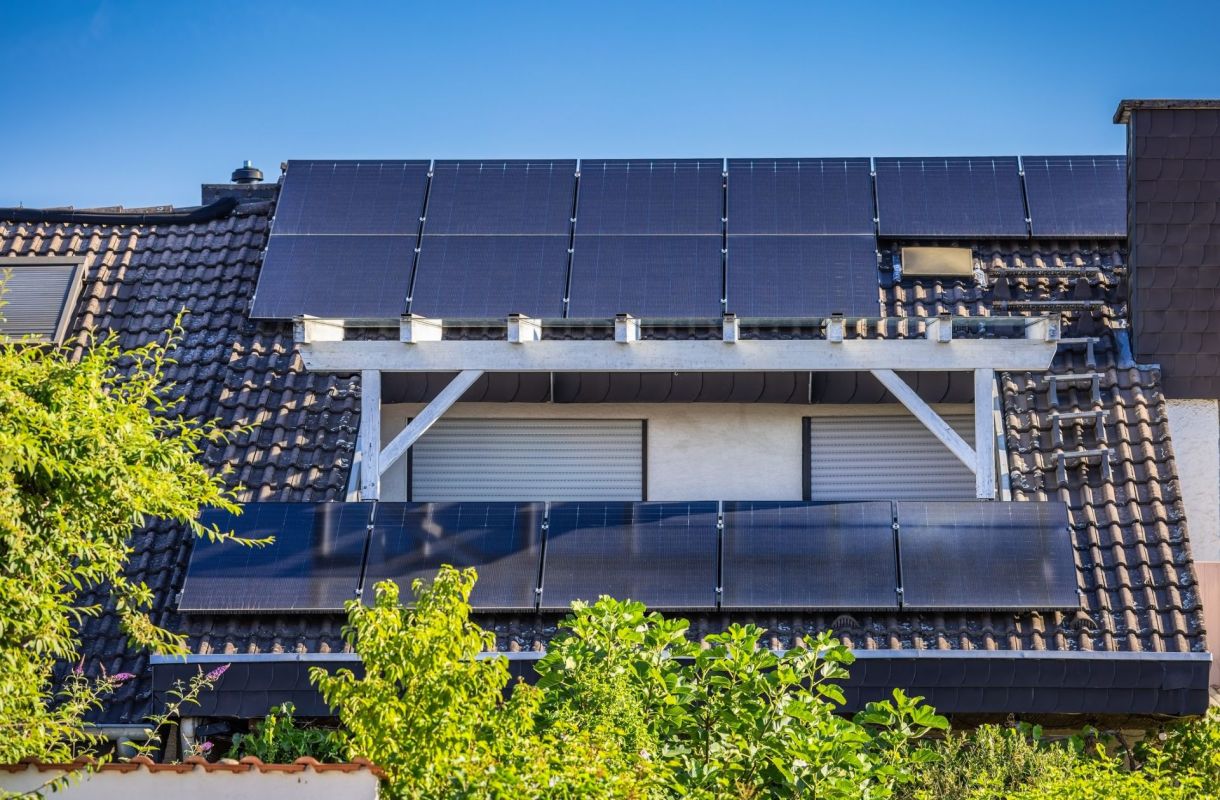
An Indiana homeowner testing their solar panels and battery backup discovered an unexpected source of overnight electricity use.
Here's what to know
In a post on Reddit's r/SolarDIY community, the original poster shared that all of their other household devices together used less electricity overnight than the fan in their gas furnace did when the temperature was 30 degrees Fahrenheit.
The OP had deliberately switched off their main utility connection to see how the system would perform.
"I wanted to know what one November week looks like for a regular house, so the utility main has been off since Sunday and everything runs on what we make," they explained.
The central Indiana home's furnace and water heater run on gas, and everything else uses electricity. Its solar equipment consists of a three-battery Anker E10 setup wired to the electrical panel and a 7.6-kilowatt rooftop array.
The household consumed 12 kilowatt-hours on the first day, compared with about 20 kWh generated by the panels in sunny weather. Sunshine on the third day restored a full charge after the battery had started that morning at 50%. The gray second day had produced about 8 kWh.
For homeowners exploring similar equipment but seeking professional help, EasyHome is a marketplace connecting solar shoppers with unique prices and exclusive deals from trusted partners.
Rooftop solar panels are the most effective solution to rising energy prices, and solar leases may offer savings of hundreds of dollars per month with no upfront costs.
Crushed by your bills? See instant solar savings from vetted installers in just a few clicks With energy prices through the roof, there's never been a better time to go solar — and EasyHome can help you find the best prices from the best installers in your area. EasyHome takes the guesswork and headaches out of energy upgrades by showing you estimated savings from a network of vetted local partners. To get started, just enter your ZIP and share a few details about your home — seeing your estimate is really that easy. |

More background
This homeowner's experiment focused on another priority of how long their setup could power the house without utility electricity.
The homeowner attributed much of the nighttime electricity demand to the furnace blower, which drew roughly 400 watts whenever the heat cycled on.
Another commenter described a similar pattern. Running the furnace added 400 watts to a household baseline of about 120 watts, which included a refrigerator and deep freezer.
For the original poster, a gray weather forecast for later in the week would test the system's ability to last a full week. The battery was at 67% by lunchtime on the overcast fourth day.
"So those two days decide whether this lasts the full week or I give up and flip the main back on," they concluded.
What can be done?
Commenters suggested adding a backup generator to recharge the batteries during extended periods of cloudy weather.
One favored a dual-fuel inverter generator for its compatibility with different battery systems and the convenience of storing propane. Another person said they kept a Honda EU2000 and a supply of gasoline available as backup for their solar setup.
A separate commenter recommended repeating the experiment around the winter solstice, when daylight is shortest.
For shoppers weighing panels alongside storage, EasyHome works like Groupon for home energy. It negotiates special offers for its large audience and provides unique solar deals. It also offers special battery deals.
Pairing solar with a battery can increase savings and provide backup power during outages. That is a combination directly relevant to keeping this homeowner's furnace blower and cold food storage running overnight.
Overall, most commenters complimented the OP's initiative.
"This is the sort of stress test everyone should be doing," a Redditor wrote. "Most people just wait until desperate times and are disappointed."

Get TCD's free newsletters for easy tips, smart advice, and a chance to earn $5,000 toward home upgrades. To see more stories like this one, change your Google preferences here.






