


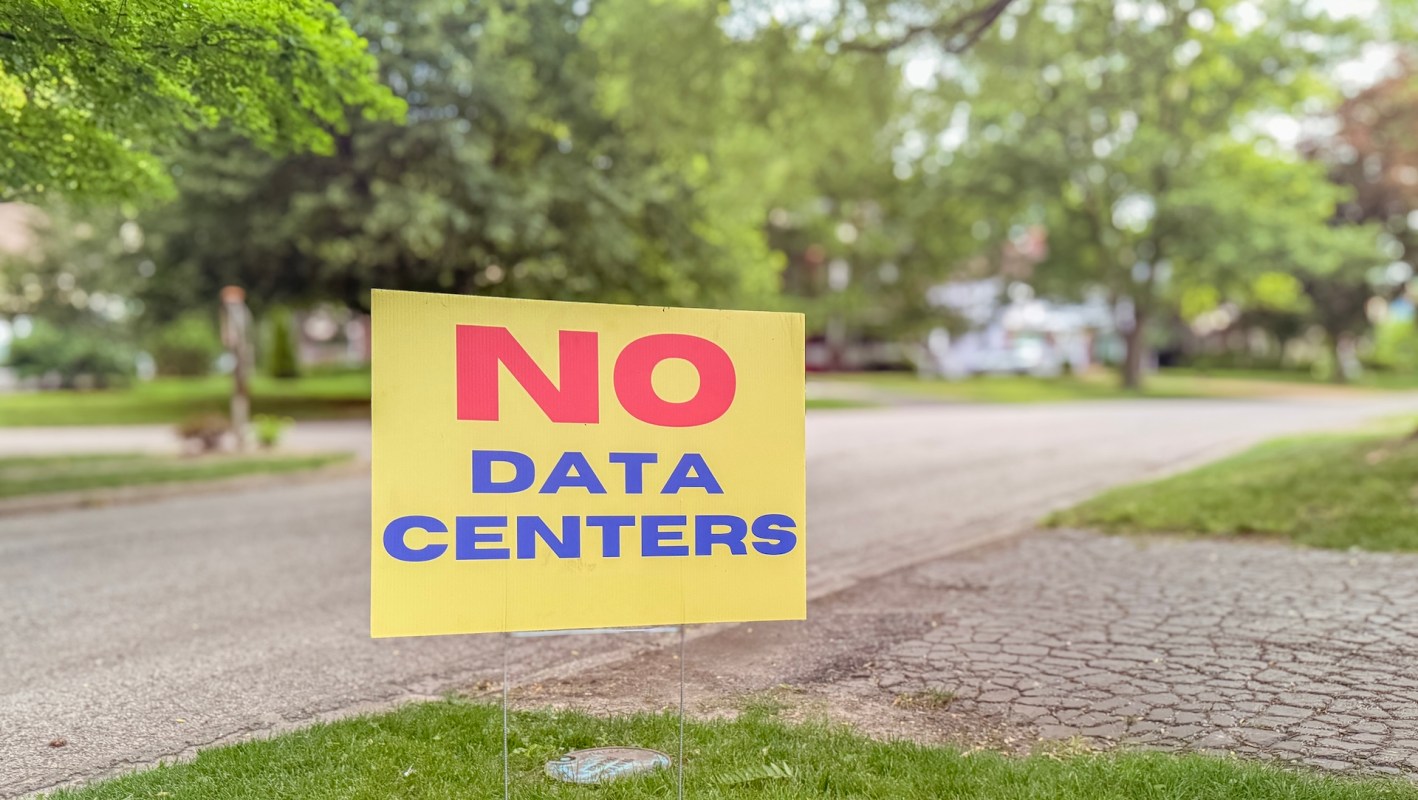
Local officials in Indiana are increasingly trying to slow or shape data center growth, even as the state seeks more of that investment. The concern centers on how large facilities might affect water use, electricity consumption, and land use.
What's happening?
WFYI reported that nearly a third of Indiana counties now have some form of restriction on data center development. Indiana University's Environmental Resilience Institute said the count cited by WFYI includes 11 counties with ordinances, at least 17 under temporary moratoriums, and Marshall and Cass counties both prohibiting new data centers.
What began in Marshall County and later in White and Putnam counties has escalated into a broader local response. In many places, officials are using moratoriums to buy time while they decide whether future projects need rules or should be allowed at all.
That resistance contrasts with the state's broader economic agenda. Governor Mike Braun and the Indiana Chamber have backed major projects, including, as WFYI noted, Meta's $10 billion data center in Lebanon, framing them as major investments in Indiana's future.
But Janet McCabe, senior policy advisor at Indiana University's Environmental Resilience Institute, said local officials are trying to keep up with a fast-paced industry.
"This is an example of a kind of development that is moving really fast, and it's a bit of a challenge for local governments to catch up and to have policies or regulations in place that help them make these decisions," McCabe said.
TCD Picks » Quince Spotlight
💡These best-sellers from Quince deliver affordable, sustainable luxury for all




Why does it matter?
While data centers are essential to the digital economy, they often trigger concern in the places where they are built. Across the country, opponents have pointed to heavy demands for power, water, and land, as well as possible noise and air pollution. WFYI also reported questions about whether the facilities create enough lasting jobs to justify those burdens.
Those trade-offs can strain local infrastructure, change nearby land use, and potentially raise utility costs if power demand grows faster than the grid can keep up.
The issue is already surfacing in Indianapolis. WFYI reported that at the Metropolitan Development Commission's July 1 meeting, residents asked officials to pause approvals until the City-County Council implements special zoning rules. The commission still voted 5-3 to recommend the rules, and a full council vote is expected in August.
What's being done?
For now, many Indiana communities are relying on temporary moratoriums as a stopgap. Those pauses give counties time to review proposals, draft zoning standards, and determine whether they want to allow data centers at all.
There is also a push for broader oversight. WFYI reported that U.S. Rep. André Carson (D-Indianapolis) teamed up with Sen. Bernie Sanders (I-Vt.) and Rep. Alexandria Ocasio-Cortez (D-N.Y.) to introduce the AI Data Center Moratorium Act of 2026, which would create a federal moratorium on data centers that power artificial intelligence.
"Data centers cannot come at a cost to American families, who are already facing high grocery, gas, and housing costs," Carson said. "We need to make sure workers, families, and neighborhoods aren't forced to pay the burden of this rapidly rising technology without guardrails."
As Indiana continues to court tech investment, local governments appear increasingly determined to set terms that reflect community concerns rather than reacting only after construction is underway.

Get TCD's free newsletters for easy tips, smart advice, and a chance to earn $5,000 toward home upgrades. To see more stories like this one, change your Google preferences here.






