


Three 16-year-old Indian students built an unlikely water-treatment idea from waste tamarind seeds. The concept is meant to remove microplastics from contaminated water, and it has since won a major environmental prize for teenagers.
Here's what to know
On May 29, The Earth Prize named Vivaan Chhawchharia, Ariana Agarwal, and Avyana Mehta its 2026 global winners, making them the first team from India to take the competition's top honor, according to The Earth Prize and The Times of India.
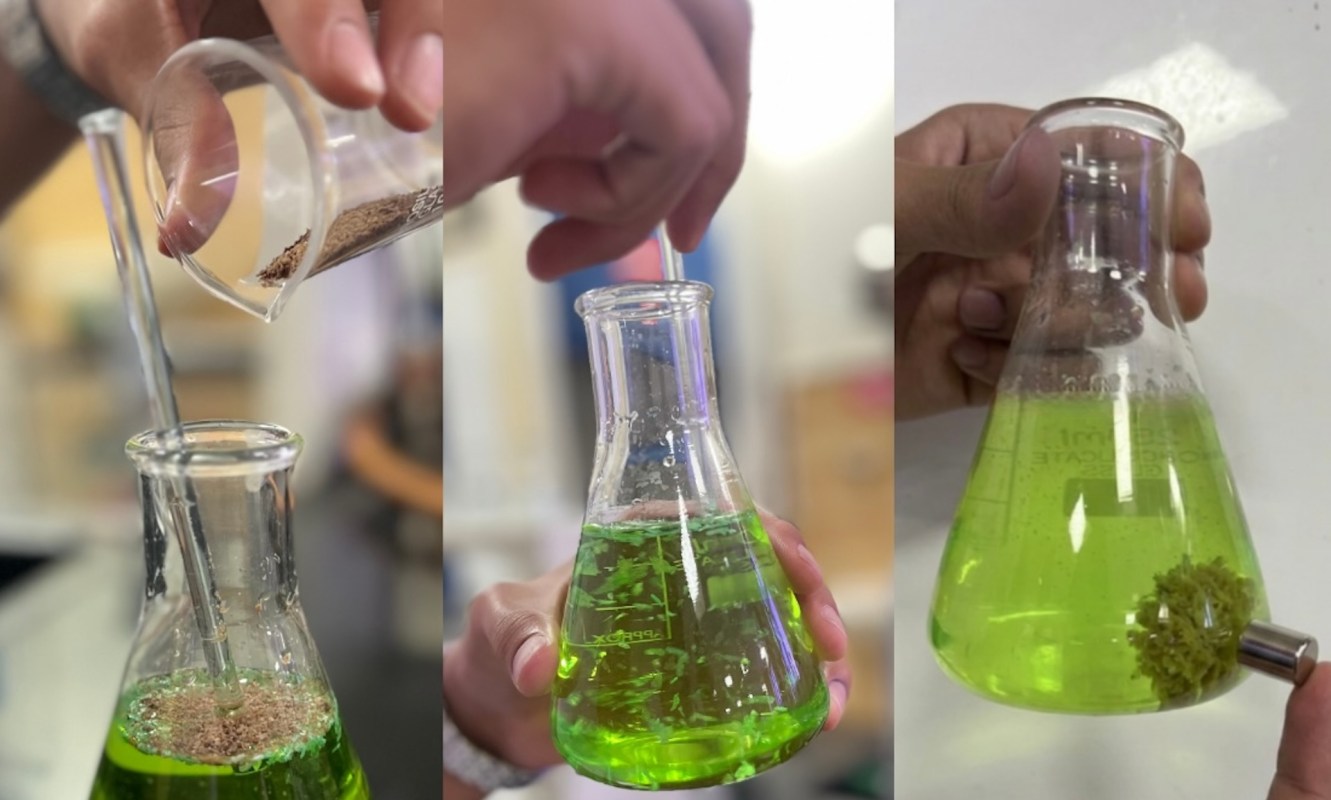
Called Plas-Stick, their project converts discarded tamarind seeds into a biodegradable magnetic powder intended to remove microplastics from water.
The Localize farmers market app (@LocalizeFood.App) also detailed it in an Instagram post.
What moved the project forward was a trip outside the classroom. In a rural community where people stored drinking water in shared plastic containers and had little access to advanced filtration, the students saw a child take a drink and began thinking more seriously about the hidden risks of microplastic exposure.
Once added to water, the powder binds with microplastic particles and gathers them into visible clumps that a handheld magnet can pull out.
TCD Picks » Quince Spotlight
💡These best-sellers from Quince deliver affordable, sustainable luxury for all




In a statement, the students said, "Being named the Global Winners of The Earth Prize is incredibly special for all of us, especially as the first team from India to receive this recognition."
More background
One reason Plas-Stick stands out is that it tackles plastic pollution while also using agricultural waste.
The students saw discarded tamarind seeds not as trash, but as a potential raw material for trapping tiny plastic particles that are otherwise hard to detect.
Because the method works without electricity or complicated equipment, it could be especially useful in places without advanced water-treatment systems.
That said, Plas-Stick is not yet a ready-to-use drinking-water purifier. More testing is needed to determine how well it removes different kinds of microplastics, whether it can reliably separate clumped particles, and whether the treated water is ultimately safe to drink.
What's being done?
The Earth Prize chose its global winner through a public vote, with roughly 23,000 people selecting from seven regional winners, TOI reported.
Before taking the global title, the Indian team first won the Asia region and received $12,500 to continue developing Plas-Stick.
"We hope this not only helps us scale Plas-Stick further, but also encourages more young people to believe that their ideas can create meaningful environmental change," they said in their statement.
The students have done more than build a prototype. Through workshops and demonstrations, they have already reached more than 8,000 students and teachers, raising awareness of microplastics and the potential of low-cost environmental innovation.
Dr. Rajesh Khandelwal also guided the team, helping strengthen testing and development.
The teenagers hope to expand the project through decentralized production hubs and widen access in rural communities across India.
Where can I learn more?
Plas-Stick is part of a global push to find low-cost ways to remove microplastics from water and waste streams. The articles below explore other aspects of the challenge.
• In Ireland, teen inventor Fionn Ferreira built a plastic-pollution magnet to pull pollution from water.
• Biocap Filtration developed a plant-based filter that captures 99.9% of microplastics in water.
• Scientists found that burned agricultural waste has revolutionary potential in purifying farm soils of toxic microplastics.

Get TCD's free newsletters for easy tips, smart advice, and a chance to earn $5,000 toward home upgrades. To see more stories like this one, change your Google preferences here.






