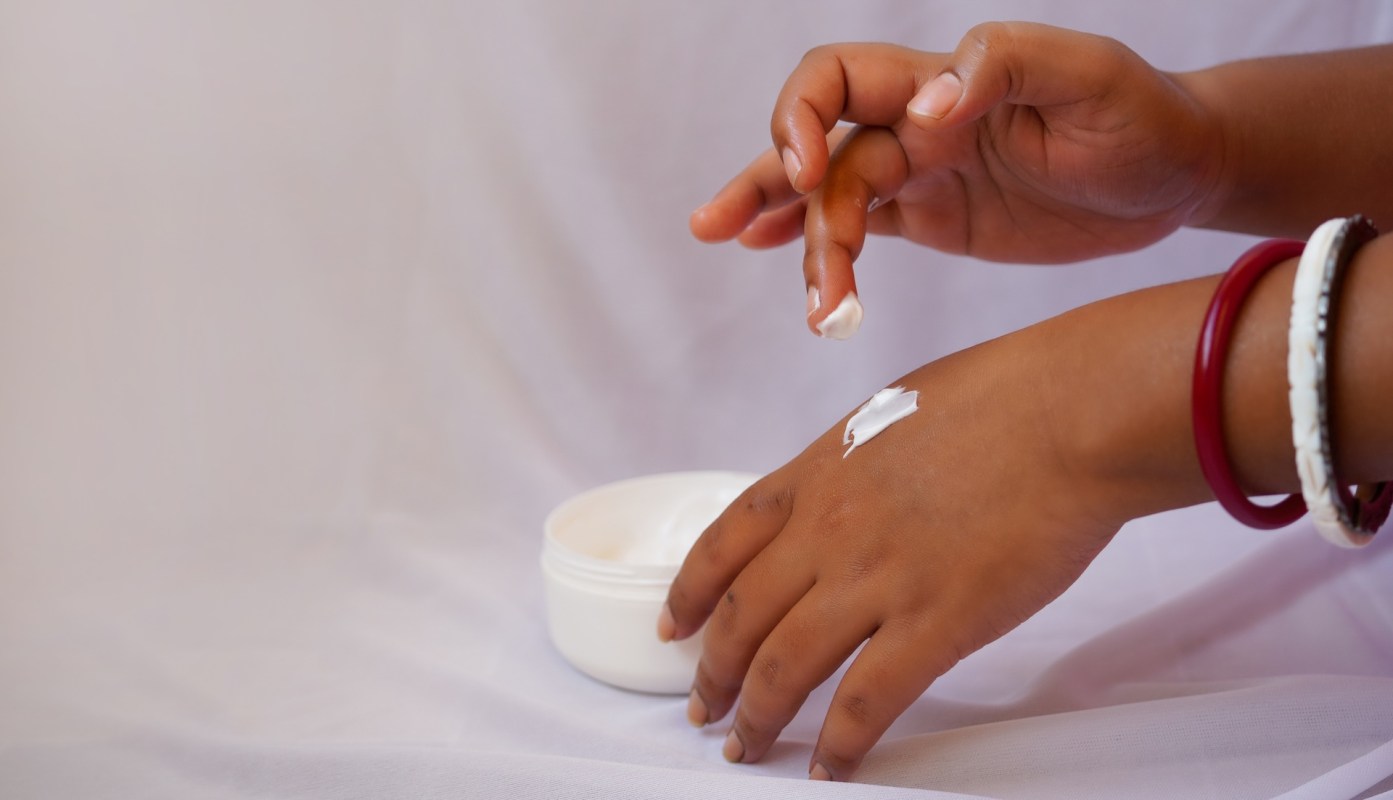
A skin-lightening cream bought online allegedly left a 17-year-old in India hospitalized with her kidneys close to failure, The Week reported.
Testing found that the product contained 1.25% mercury, a toxic metal that can enter the bloodstream through the skin and damage internal organs.
Here's what to know
The unnamed teenager had seen the cream promoted by social media influencers before buying it, according to The Week.
She is from Malappuram in Kerala.
At a private hospital, doctors identified her illness as membranous nephropathy, a disease affecting the kidneys' filtering system.
Large amounts of protein can escape into urine when membranous nephropathy damages and thickens the glomeruli, the kidneys' tiny filtering units. This excessive protein loss can lead to nephrotic syndrome.
TCD Picks » Quince Spotlight
💡These best-sellers from Quince deliver affordable, sustainable luxury for all




Membranous nephropathy can develop slowly without producing obvious symptoms in its early stages.
The teenager was already severely ill when she arrived at the hospital.
More background
Mercury can impair kidney function by damaging the organs' filtering structures and tubules.
It can accumulate in kidney tissue after entering the bloodstream.
Membranous nephropathy or nephrotic syndrome may also develop if mercury-containing creams trigger an immune response that damages the kidneys' filtering units.
Warning signs include foamy urine caused by excess protein, along with swelling around the face and eyes or in the lower legs and feet. Fluid retention can also cause sudden weight gain.
Reduced urine output can accompany acute or advanced kidney damage.
Other effects of mercury exposure can include fatigue, sleep difficulties, headaches, tremors, cognitive problems, and skin changes.
What can be done?
Cosmetics regulations in India and most jurisdictions worldwide bar the intentional addition of mercury, including its use as an active ingredient.
The Week's report describes paid endorsements of unvetted skin-lightening products with potentially serious health consequences.
Regular face creams are subject to a 0.0001% mercury threshold, and regulators classify any incidental contamination as a trace impurity.
The cream linked to the teenager's illness contained a 1.25% concentration of mercury.
Where can I learn more?
Concerns about contamination reach beyond skin creams to other everyday products and local water sources. These stories cover mercury cleanup, a skincare recall, and chemicals in children's underwear.
• Maine sued Mallinckrodt over stalled mercury cleanup near the Penobscot River.
• British authorities expanded a skincare recall involving Simple micellar cleansing water over bacterial contamination.
• Texas officials demanded answers from Hanes and Fruit of the Loom over chemicals in children's underwear.

Get TCD's free newsletters for easy tips, smart advice, and a chance to earn $5,000 toward home upgrades. To see more stories like this one, change your Google preferences here.
Cool Picks