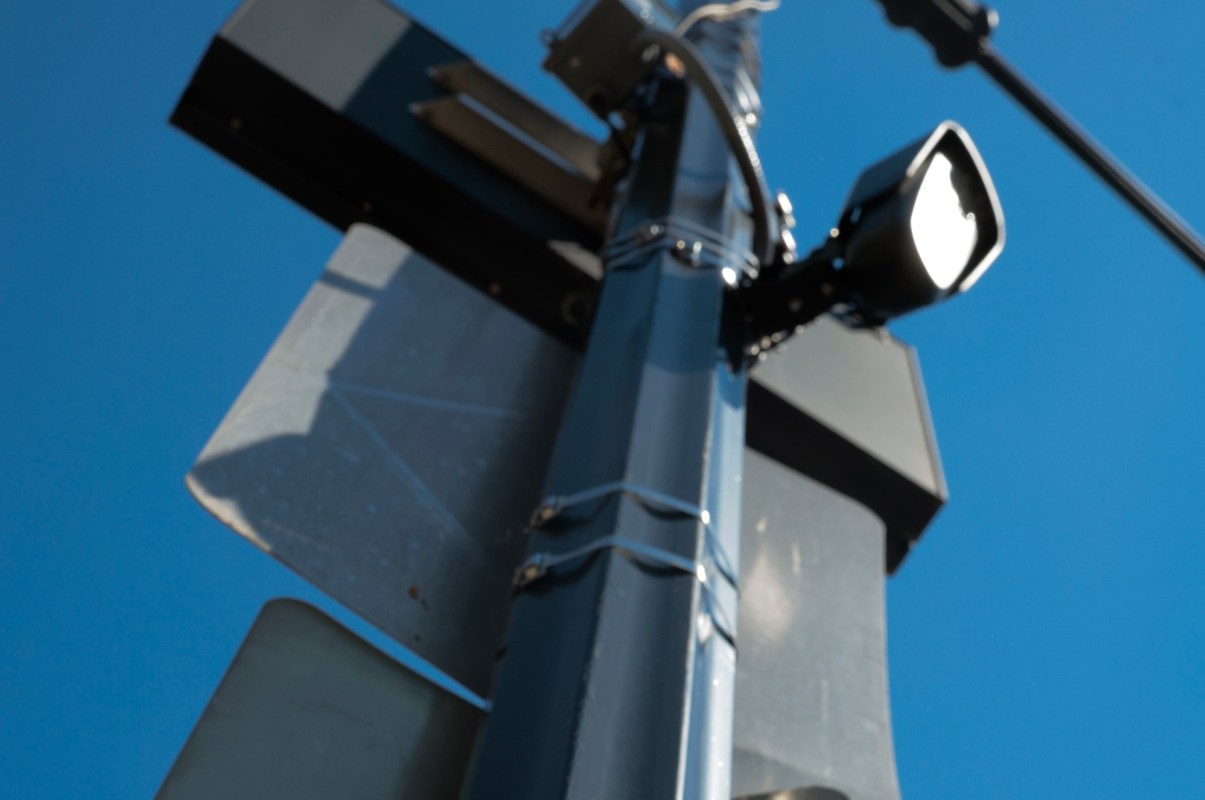
A regional retreat from license-plate surveillance is gaining momentum in Greater Cincinnati.
With Independence, Kentucky, preparing to remove its Flock Safety cameras, Fort Mitchell and Oxford are no longer the only local cities backing away from the system. In several communities across the region and the rest of the country, residents and leaders are pressing for a different balance among policing tools, privacy, and public trust.
Here's what to know
Independence Mayor Chris Reinersman said in an August 24 press release that the city will begin removing its Flock cameras. That makes the city the latest in the region, after Fort Mitchell and Oxford, to end a Flock program.
In the statement from Reinersman's office, he wrote, "After much consideration, I have decided to move forward with the removal of all Flock Safety cameras in the City of Independence… While I personally continue to believe the cameras can be a valuable and appropriate law enforcement tool, I also believe strongly that elected officials must respect the will of the people they represent."
Reinersman added, "We were elected to serve the residents of Independence, and when our community speaks this clearly, we have an obligation to listen. For this reason, we will immediately begin the process of removing the Flock Safety cameras."
Yet, the Independence cameras are still operating, and officers can still view the data, Independence Police Chief Brian Ferayorni told The Cincinnati Enquirer. Ferayorni explained to the outlet that Flock representatives said camera removal can begin only after the city formally initiates contract termination and may take anywhere from a few days to a few weeks.
TCD Picks » Quince Spotlight
💡These best-sellers from Quince deliver affordable, sustainable luxury for all




More background
AI-powered license-plate readers are raising concerns about people being tracked during routine travel, how long data is stored, and who is allowed to search or share that information.
At the same time, supporters of the technology argue that automated plate readers can help police investigate crimes, identify suspects' vehicles, and recover stolen cars.
Despite these potential benefits, amid the countless misuses of the technology among police officers and departments, people across the country are advocating for their removal.

Get TCD's free newsletters for easy tips, smart advice, and a chance to earn $5,000 toward home upgrades. To see more stories like this one, change your Google preferences here.