


A tiny increase in tree cover could have an outsized impact on public health in Chicago, but only if the city can keep its mature trees alive long enough for those benefits to last.
A new study out of Northwestern University is suggesting that the city could save more than 100 residents' lives every year by just increasing tree cover by 0.03%.
Here's what to know
The research, published in the peer-reviewed journal GeoHealth, examined the relationship between urban tree canopy levels and mortality. What the scientists found was striking.
They found a "statistically significant association between increasing tree canopy cover over time and reducing mortality in Chicago … Each 0.03% increase in year-to-year TCC was associated with 105 fewer deaths per year."
Many of the near-term benefits of expanded tree cover come from the large trees that are already standing.
As the researchers explained, "Protecting and maintaining existing canopy may yield even higher benefits than tree planting alone. As temperatures continue to rise, increasing urban tree canopy will play an essential role in mitigating heat stress, particularly in communities most vulnerable to climate change."
TCD Picks » Quince Spotlight
💡These best-sellers from Quince deliver affordable, sustainable luxury for all




Newly planted saplings still matter, but they cannot quickly deliver what established trees do. Bigger trees spread shade across wider areas, cool homes and streets more effectively, and do more to lower dangerous heat exposure during very hot weather.
More shade can mean less heat exposure for older adults, outdoor workers, and residents without reliable air conditioning. Trees can also make everyday life more bearable by cooling sidewalks, parks, and bus stops.
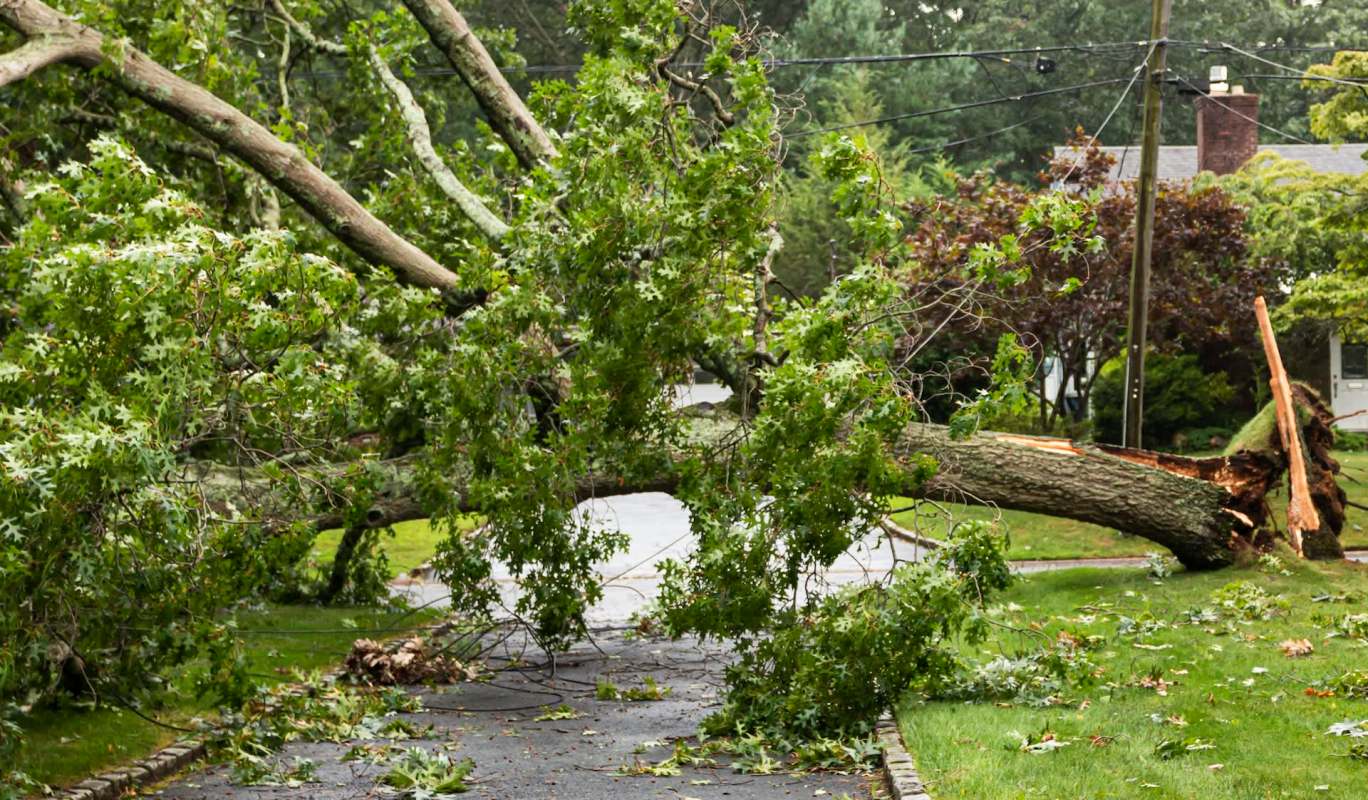
When neighborhoods lose large trees, they can also lose a key buffer against extreme heat, leading to hotter surroundings, fewer natural protections during heat waves, and greater health risks.
More background
As cities deal with longer periods of intense heat, tree canopy has become a more pressing concern.
Pavement, brick, and dark rooftops absorb and retain warmth, creating hotter conditions across neighborhoods, especially in densely built areas. That is why tree survival matters so much.
Planting new trees remains important, but it can take years before they provide the same cooling and health benefits as mature ones. If older trees are removed faster than replacements can grow, cities may see canopy coverage fall even while planting continues.
Tree cover is also not shared evenly across neighborhoods. Some areas have shaded streets and parks, while others have far fewer large trees and much less relief during the summer.
That imbalance can affect everything from energy bills to outdoor safety. More canopy can help reduce the risk of heat-related illness and ease pressure on households during stretches of extreme heat.

Get TCD's free newsletters for easy tips, smart advice, and a chance to earn $5,000 toward home upgrades. To see more stories like this one, change your Google preferences here.






