


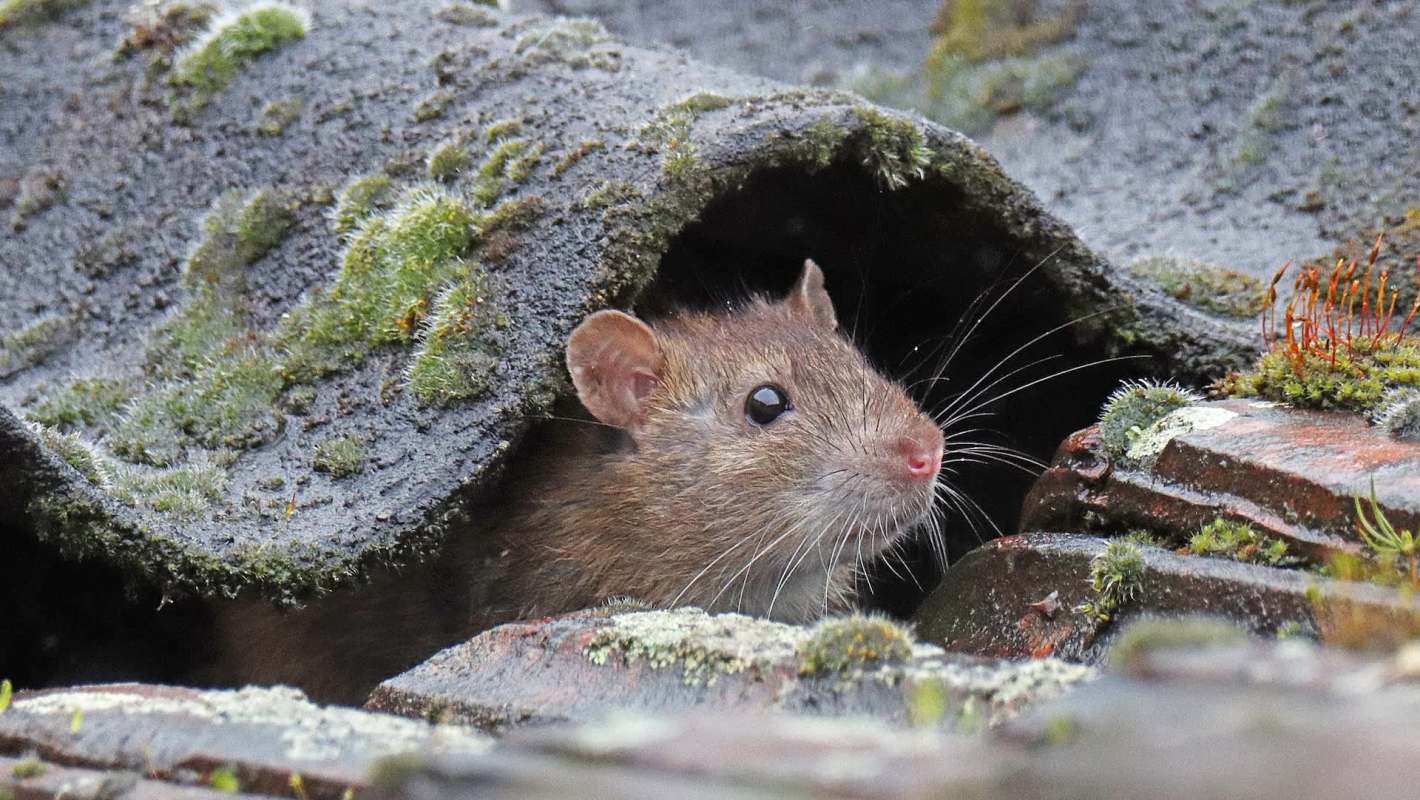
Idaho agriculture officials are urging residents to report invasive rat sightings as the state tries to more accurately pin down how widely two non-native species — including "roof rats" — have spread.
Here's what to know
Residents can use the Idaho State Department of Agriculture's new online rat reporting form to alert the agency to the presence of the non-native species: roof rats and Norway rats.
Sightings submitted through the online form will ultimately feed into a map that agencies and local jurisdictions can use to track the animals, according to Boise State Public Radio.
To record a sighting, all residents need to do is estimate the number of rats present and note the location where they were spotted. The form also includes optional fields to attach photos or add extra details.
Agriculture Department director Chanel Tewalt told Boise State Public Radio that the tool is similar to other platforms already in use, including a Central District Health mapping tool known as Pied Piper, but is intended to provide additional information for communities dealing with the non-native rodents.
"There are a lot of anecdotal stories out there," Tewalt said. "But there's no real firm data about spread."
TCD Picks » Quince Spotlight
💡These best-sellers from Quince deliver affordable, sustainable luxury for all




More background
Identifying the animals is not always simple. From a distance, roof rats and Norway rats can resemble native packrats, which are mainly set apart by their bushy tails. For this reason, the state said, reports will be checked before they are treated as confirmed sightings.
The Agriculture Department's role is currently focused only on keeping the survey available and making its information broadly accessible. Down the road, that data could inform wildlife management plans.
Where can I learn more?
For a broader look at how other places are dealing with rat populations, start with these stories:
• In New Mexico, a wild rat tested positive for plague after infections in four dogs.
• On Alaska's Pribilof Islands, officials again allow dogs to hunt rats threatening seabirds.
• Boston is building a rat "dictionary" with AI to predict where infestations will emerge.

Get TCD's free newsletters for easy tips, smart advice, and a chance to earn $5,000 toward home upgrades. To see more stories like this one, change your Google preferences here.






