


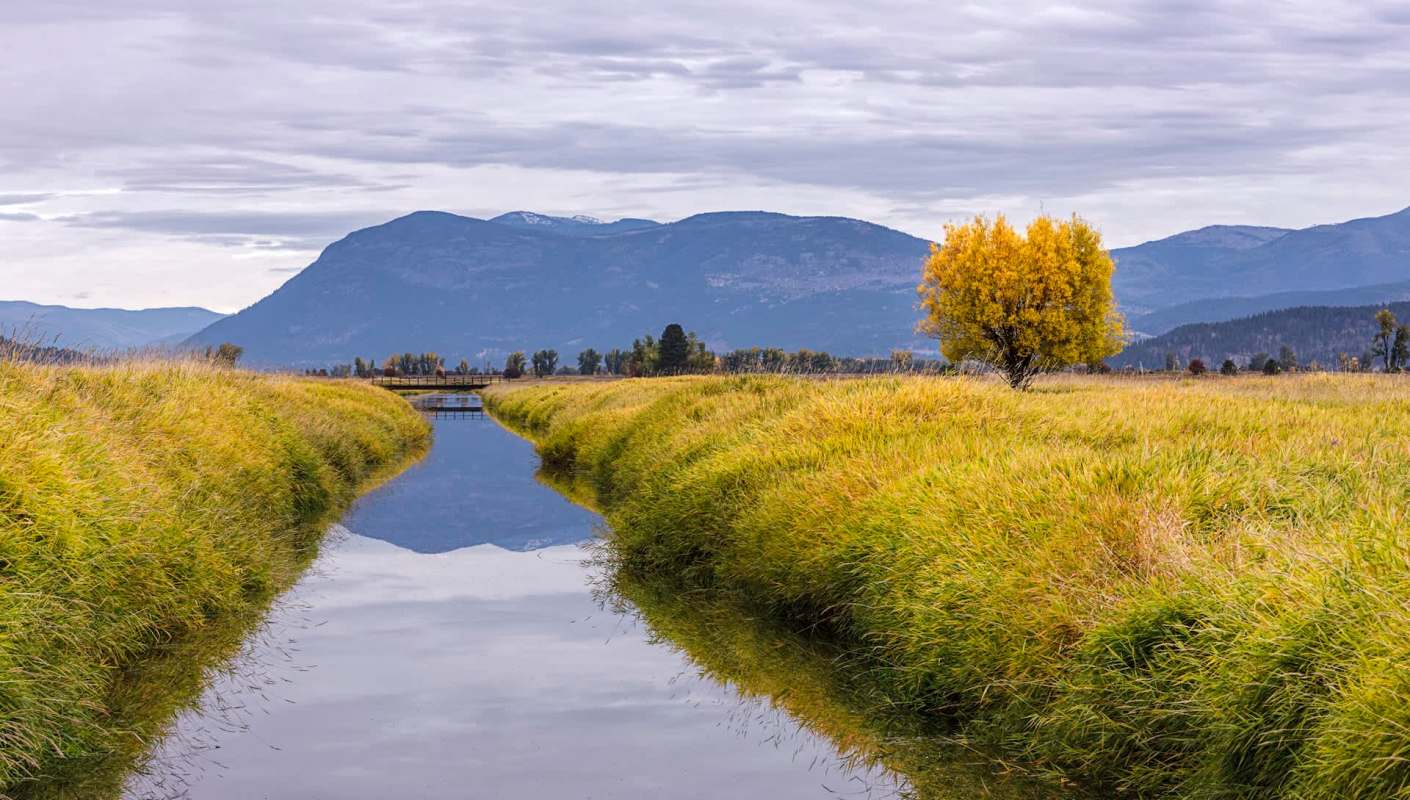
In 2024, the Farmers Union Ditch Company in Idaho entered into a long-term agreement allowing the Eagle Sewer District to send treated wastewater through the canal system that irrigates residents' land.
After residents in Idaho's Ada County finally learned about this, the Idaho Statesman reported that they turned their frustration into action. At the January annual meeting, shareholders arrived in large numbers and voted out nearly the entire board.
What happened?
Farmers Union Ditch Company's canals reach hundreds of shareholders across about 8,500 acres. Under an October 2024 agreement, the Eagle Sewer District could start sending treated water into that network in 2029, according to the Idaho Statesman.
Residents say the companies signed the 25-year pact before many residents even knew it existed. At Farmers Union's January annual meeting, attendance was high enough to create a quorum for the first time in more than 40 years, and shareholders ousted every board member except one who had supported the deal.
"I think there was a large contingency of shareholders who felt that they should have been informed, and that resulted in four board members being replaced," newly elected Farmers Union board member Jacob Zwygart said. "So I think that the result speaks for itself."
People are now talking about whether "Class A" recycled water belongs in a privately owned canal system used by so many local landowners. Idaho regulators consider that treated wastewater category safe for irrigation applications such as parks, lawns, and farmland.
TCD Picks » Quince Spotlight
💡These best-sellers from Quince deliver affordable, sustainable luxury for all




Why is this concerning?
People who receive water from the canals say the proposal could have health impacts. It could also affect property values and put limits on how people can irrigate the land around them.
PFAS, often called "forever chemicals," and pharmaceuticals are among the contaminants of emerging concern residents have flagged.
Sondra Miller, a former engineer for the Idaho Department of Environmental Quality and a current associate professor at Boise State University, told the Idaho Statesman that these chemicals are "still everywhere" and are difficult to track and control.
While researchers are continuing to figure out how PFAS affect people and the environment, to say the least, initial findings aren't looking good. "Forever chemicals" can make their way into food chains and are linked to health issues like cancer.
At a June 29 town hall, Farmers Union shareholder Katen Whitaker rejected the suggestion that end users could simply decline to take the water.
"That is not the case," Whitaker said. "The people have spoken, but we are being ignored for the sake of profit."
What's being done?
Eagle Sewer District said the project is a response to fast growth and drought pressure, and it would conserve water. Officials say the recycled supply would account for only about 7% of the canal system. There would be a $20 million filtration upgrade, but they said costs would fall over time.
Neil Jenkins, general manager of Eagle Sewer District, said the district is already handling about 2.8 million gallons per day and expects demand to climb sharply as the population grows. He has also said that district representatives attended six Farmers Union board meetings and held upwards of 20 public engagement events from 2023 to 2025.
Following the June 29 town hall, the Eagle City Council agreed to allow residents to form a community advisory board that would include local voices.
"We're not talking about Evian coming out of your faucet, we just want clean water," resident Frank D'Agostino said.

Get TCD's free newsletters for easy tips, smart advice, and a chance to earn $5,000 toward home upgrades. To see more stories like this one, change your Google preferences here.






