


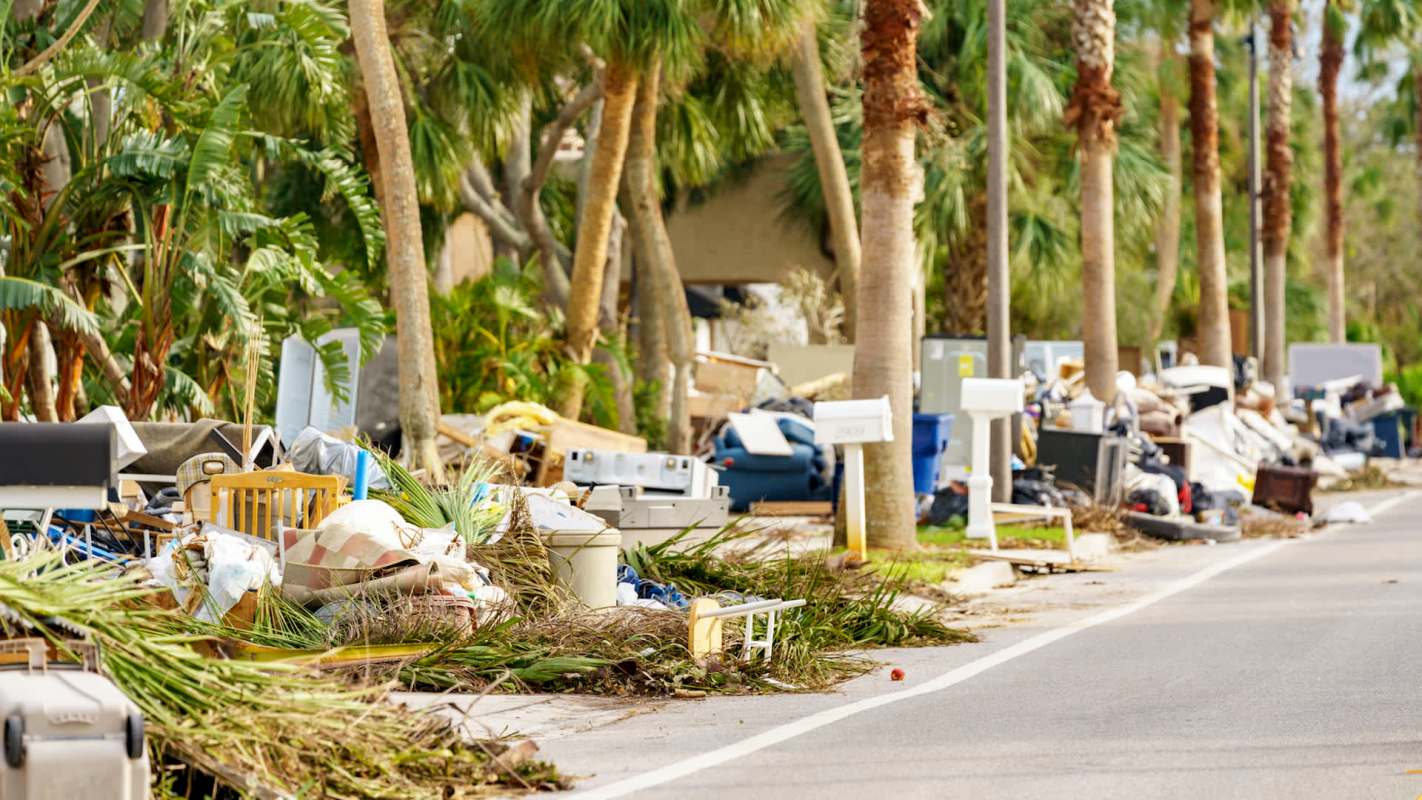
October 2026 will mark two years since Hurricane Milton moved across Florida, and its statewide impact still defies a neat one-line description.
The official landfall point captured only part of the story, because communities around the peninsula experienced markedly different versions of the same storm.
Using Milton as its example, a Florida Storms explainer (via WUSF) argues that a hurricane's threat cannot be reduced to the single spot where the eye reaches shore.
Here's what to know
The Milton case study focuses on four labels often treated as synonyms: landfall, direct hit, strike, and indirect hit.
Florida Storms meteorologist Leslie Hudson explained that the terminology matters because landfall has a narrow definition: it marks where the center moves ashore, not necessarily where the storm's strongest or widest-ranging effects hit.
Milton also spawned a major tornado outbreak across Florida, pushing its damage risk well past the coastal areas nearest landfall.
TCD Picks » Quince Spotlight
💡These best-sellers from Quince deliver affordable, sustainable luxury for all




More background
Storm coverage often narrows to one basic question: where the hurricane will make landfall.
With Milton's two-year anniversary falling on Oct. 9, Hudson's breakdown suggests that even though landfall matters, relying on that answer alone can give residents only a partial sense of the danger they face.
The cone shows the probable track of a storm's center, not the full area that could be affected. That means people beyond the cone can still face strong winds, tornadoes, and other hazardous conditions.
Milton illustrated that disconnect: although the center didn't make landfall in Tampa Bay, the area stayed within the wider strike zone, and Naples, far to the south, still saw meaningful indirect effects.
A hurricane's practical danger can span multiple metro areas at once.
The storm wasn't just a coastal problem, either — its major tornado outbreak in Florida also hit inland communities far from the beaches.
What's being done?
One response has been improved risk communication.
To that end, Florida Storms is using Hudson's explainer to sharpen how hurricanes are described, distinguishing among landfall, direct hit, strike, and indirect hit instead of collapsing those labels into one.
Forecasters are also stressing that the cone isn't a complete hazard map.
In Hudson's analysis, Milton's 250-mile wind field underscored how much threat can sit outside the projected center path, particularly in a large, densely populated state like Florida.
Warnings issued ahead of Milton reflected that broader view.
In an update issued on Oct. 8, 2024, meteorologist Dr. Levi Cowan of Tropical Tidbits warned that Milton was "expected to bring extreme impacts to portions of west-central Florida on Wednesday/Thursday and significant impacts to much of the Florida Peninsula."
Where can I learn more?
For a fuller picture of Milton's reach in Florida, these articles trace the damage and lingering risks that followed landfall. They cover storm damage, supply shortages, and public warnings.
• In Florida, Milton's damages and costs showed how unevenly the storm battered communities.
• Florida families already scarred by Maria faced Milton supply shortages and fresh trauma.
• Miami meteorologist John Morales warned on air of horrific impacts ahead.

Get TCD's free newsletters for easy tips, smart advice, and a chance to earn $5,000 toward home upgrades. To see more stories like this one, change your Google preferences here.






