


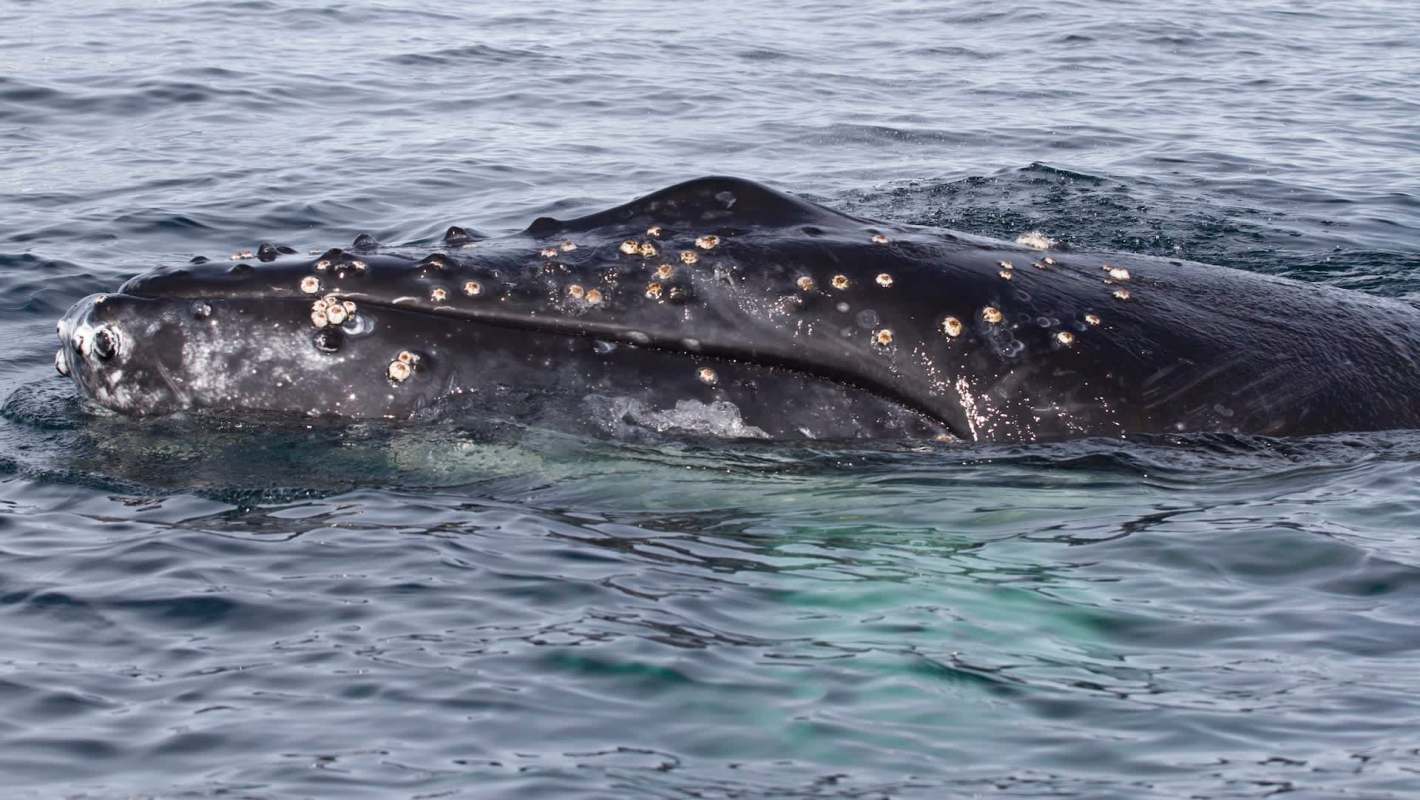
After months of efforts to help a humpback whale known as Timmy, German officials now say it lived only about five days after the final rescue operation.
During that time, it was swimming back toward the Baltic Sea.
What happened?
According to ABC News, the whale, which some German outlets called Hope, was found dead near the small Danish island of Anholt on May 14.
In Germany, the animal drew intense attention, with its health and movements followed through push alerts and live blogs.
Public interest in the case had been building since March 3, when the humpback was seen off the German coast in waters that did not suit it.
Scientists, officials, members of the public, and a private initiative disagreed over whether the weak animal should be left to die naturally or whether rescue attempts should continue.
TCD Picks » Quince Spotlight
💡These best-sellers from Quince deliver affordable, sustainable luxury for all




On May 2, the whale was placed on a barge and taken toward the North Sea in one last effort to save it, ABC News noted.
Information from a transmitter attached to the whale's dorsal fin suggests it died May 6 or 7.
In roughly five days, it traveled about 215 kilometers (134 miles), but the route took it back toward the Baltic and away from the suitable Atlantic Ocean.
A necropsy did not determine the cause of death.
Officials also said the whale, long assumed to be male, was actually female, per ABC News.
Some of the remains are expected to be turned into biodiesel in Denmark, and some bones will go to a Danish museum.
Why does it matter?
When marine mammals stray into dangerous or unsuitable habitats, communities, researchers, and rescuers are often forced to make high-stakes decisions with limited time and imperfect information.
Those efforts can require significant public resources and also trigger backlash.
Healthy ocean ecosystems and migration routes matter for both wildlife and humans. When animals become disoriented or stressed, the effects can ripple outward to coastal communities, conservation workers, and people who rely on stable marine environments for food, jobs, and recreation.
What are people saying?
Officials said the necropsy at least ruled out some obvious possibilities.
"Did it have any nets or other foreign objects on its body or in its mouth? Nothing was found," Mecklenburg-Western Pomerania environment minister Till Backhaus said at a news conference.
He also said the necropsy showed no major injuries and no signs of violence.

Get TCD's free newsletters for easy tips, smart advice, and a chance to earn $5,000 toward home upgrades. To see more stories like this one, change your Google preferences here.






