


As humanoid robots move closer to everyday use in homes, warehouses, and airports, one Japanese company is preparing for the reality of breakdowns.
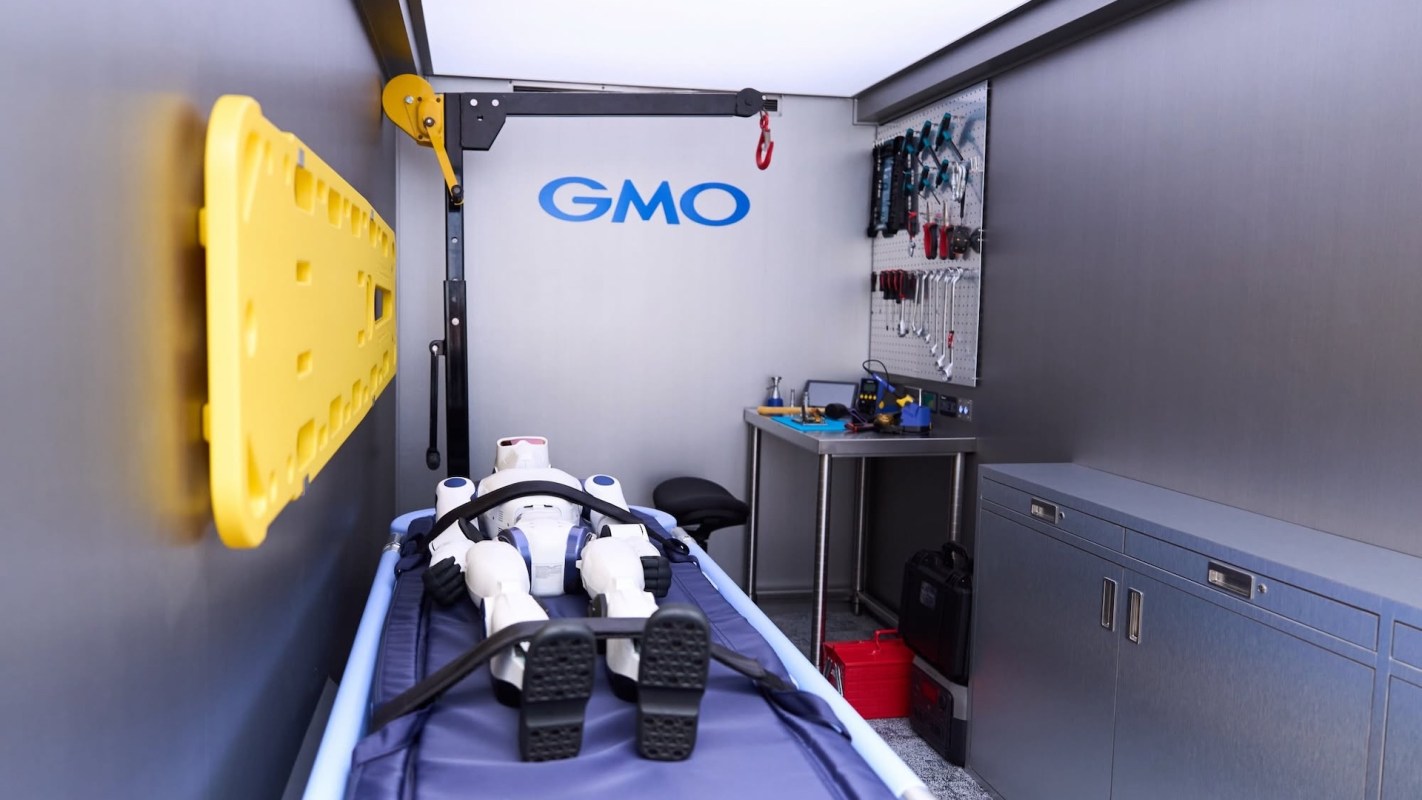
GMO Internet Group introduced a van-based "humanoid ambulance" designed to travel to malfunctioning robots and repair them on-site or swap them out if they cannot be fixed right away.
Here's what to know
Built by GMO's artificial intelligence and robotics division, the vehicle supports the humanoid robots the company sells and services. The van looks like an ambulance, though its role is to keep robots operational wherever they are being used, New Atlas reported.
If a repair can be completed during the visit, the robot can return to work immediately. If not, GMO says the van can take the machine to a repair center and leave a stand-in unit behind.
If humanoid machines are going to handle physical tasks in workplaces and help with chores or caregiving, they will need dependable maintenance networks, much like those associated with cars, appliances, and industrial equipment.
Earlier this year, New Atlas reported that GMO and Japan Airlines used humanoid robots for ground-support work at Haneda Airport, including baggage-related duties and equipment operation.
TCD Picks » Quince Spotlight
💡These best-sellers from Quince deliver affordable, sustainable luxury for all




More background
GMO is treating maintenance as a core part of the industry.
Humanoid robots are increasingly being developed for repetitive and physically demanding jobs. Reliable robot support could help businesses avoid downtime while making day-to-day operations smoother for human workers. It could also benefit people with faster logistics, more resilient services, and greater help with routine tasks.
Citing McKinsey & Co., New Atlas says the global robotics market could grow to $370 billion by 2040. In that forecast, China would account for about half of that total, while Japan is working toward nearly $125 billion, or a 30% share.
What's being done?
By sending an engineer directly to the site, the company is trying to make robot ownership more practical and less risky.
That could be especially valuable in places where interruptions are costly, such as airports, warehouses, and factory floors; a quick repair or replacement would keep operations moving.
The company also appears to be looking beyond emergency repairs. GMO says the next step could involve software that coordinates multiple robots and automatically assigns work across them.
If that happens, humanoid robots may become easier to integrate into everyday operations — not as flashy, one-off tools, but as dependable systems that save people time and take on physically taxing work.
The humanoid ambulance points to a future wherein advanced machines are useful, reliable, and easy for humans to live and work alongside.
Where can I learn more?
Humanoid robots and automated robotic systems are being implemented across a variety of sectors.
• Startup Kinetic Automation says its robotic EV repair system can fix damage in minutes.
• A Chinese automaker is trialing humanoid robots as factory interns on production lines.
• In Germany, engineers built an AI-powered rescue robot for dangerous disaster zones.
• Japan is planning an automated cargo highway system to move packages without drivers.

Get TCD's free newsletters for easy tips, smart advice, and a chance to earn $5,000 toward home upgrades. To see more stories like this one, change your Google preferences here.






