


Flooding and damage to homes and infrastructure are concerns in parts of the Houston region where the ground has dropped more than a foot in less than two decades.
Reducing groundwater pumping may not halt the sinking for years, despite billions of dollars being invested in alternative water supplies.
Here's what to know
In Texas, parts of northern and western Harris County have experienced significant ground movement, according to Harris-Galveston Subsidence District data reported by Click2Houston. A Katy-area monitoring station recorded roughly 14 inches of sinking between 2007 and 2025.
Sediments surrounding an aquifer compact when groundwater is removed, causing the ground above to sink. Pumping is a major contributor to that process, called subsidence.
The district's general manager, Mike Turco, said past subsidence and local geology affect how the ground responds when pumping is reduced.
Turco said the coastal record illustrates the potential delay. Some monitoring sites continued recording sinking for five to 10 years after groundwater restrictions began around the turn of the 1980s.
TCD Picks » Quince Spotlight
💡These best-sellers from Quince deliver affordable, sustainable luxury for all




More background
A crack in west Harris County homeowner Medley D'Elia's home has widened. Cracks both inside and outside the house have left her worried about potentially expensive repairs.
"Your home is an investment, and I guess my biggest concern is, is the repair going to be costly, and is it a catastrophic issue that we have?" D'Elia told Click2Houston.
FIF Engineering structural engineer Bijay Aryal found a brick joint separating during his inspection of the house, evidence of foundation movement.
Tree roots, plumbing leaks, and drainage issues can all cause foundations to shift. Houston's clay-rich soils also expand when wet and shrink as they dry, contributing to movement.
West Harris County Regional Water Authority board president Eric Hansen said regional authority fees help pay for the infrastructure needed to bring surface water to communities. Some customers already pay those charges even though they are still waiting for service.
What's being done?
The Harris-Galveston Subsidence District was established in 1975 and regulates groundwater use to reduce sinking, Click2Houston reported.
A 20% groundwater limit is scheduled for 2035 in the district's northern and western regulatory area, down from the 40% cap providers generally face. The area includes communities around Fulshear and Katy.
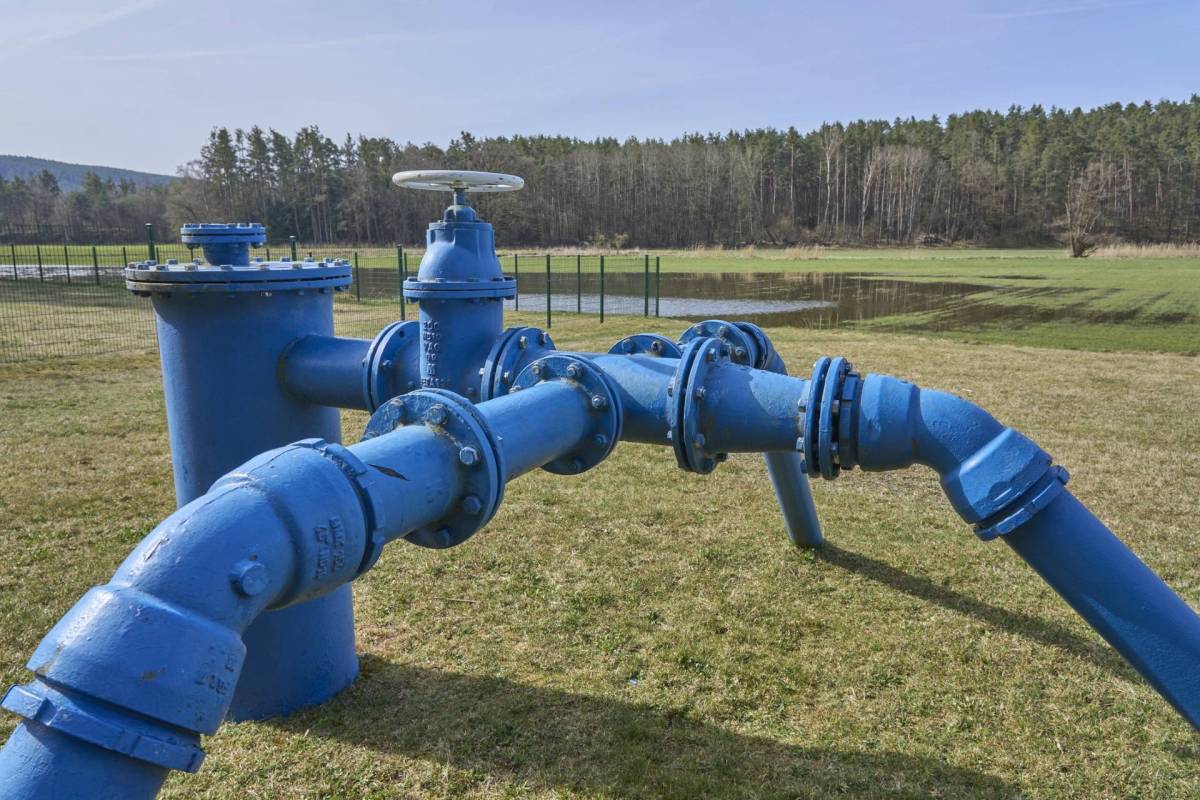
Hansen said the West Harris County Regional Water Authority and North Fort Bend Water Authority are working together on the Surface Water Supply Project, with a planned capacity of roughly 150 million gallons a day.
The project's regional pipelines and pump stations carry water drawn from Lake Houston and treated at Houston's Northeast Water Purification Plant.
Katy residents are still waiting for surface water through the project and can ask their local provider about connection plans. Hansen said eastern communities are connecting first because their proximity makes them less expensive to serve.
Homeowners can consult a structural engineer about foundation movement and use the district's 2021–2025 map to check subsidence.
Turco expects sinking in western Harris County to slow as communities adopt alternative water supplies. Reduced groundwater pumping eventually brought that change to coastal areas.
"What we've seen down there is that the subsidence rates have flattened out," Turco said, according to Click2Houston.

Get TCD's free newsletters for easy tips, smart advice, and a chance to earn $5,000 toward home upgrades. To see more stories like this one, change your Google preferences here.






