


Australian electricity prices never saw the surge many people expected from the conflict in Iran, and the fast spread of batteries appears to be a big reason.
According to The Conversation, the battery buildout reduced the need to lean on expensive gas-fired power during the priciest parts of the day, which helped limit upward pressure on bills.
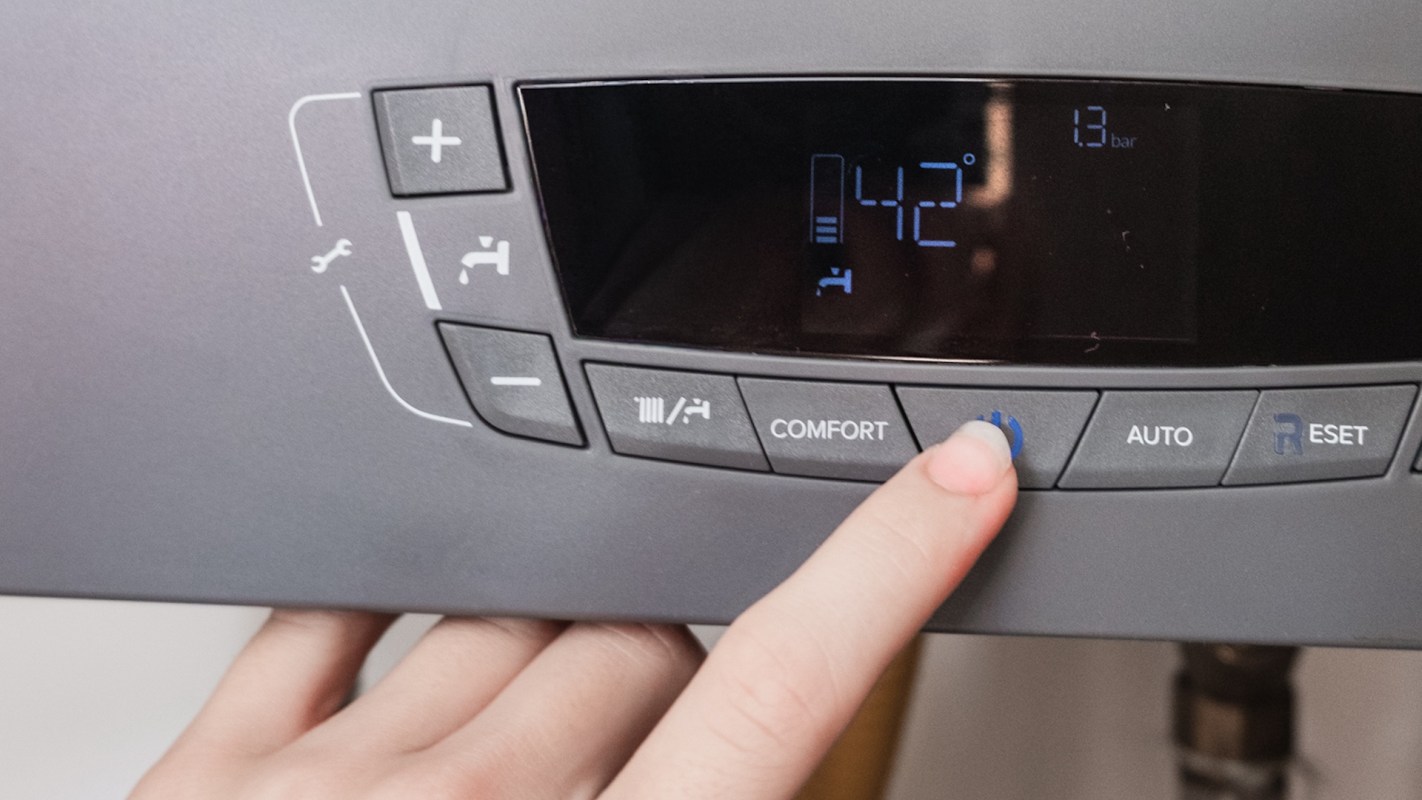
With that shift underway, attention is moving to a less celebrated household technology that could also cut costs: smarter hot water systems.
What's happening?
Over the 18 months ending in June, Australia added over 450,000 home batteries, along with several large-scale projects. The Conversation says those additions helped hold down, and at times lower, electricity prices by cutting the need for gas-fired generation in the evening peak.
Researchers say the next big opening may sit in the laundry or garage rather than on a wall-mounted battery unit. Heating water accounts for roughly 25% of the carbon pollution in a typical Australian home through gas fuel, and replacing gas-powered water heaters with more efficient heat pump ones can reduce that pollution immensely.
The savings potential for households upgrading from gas is substantial. Families paying A$1,000 or more each year for gas hot water could save hundreds of dollars annually by switching to a heat pump water heater, which can reduce running costs by up to 72%.
Why does it matter?
Water heating is one of the biggest energy expenses in many homes, even if it often goes unnoticed until a system stops working.
A standard electric storage water heater serving a four-person home can consume around 13 kilowatt-hours per day, which is on the order of the energy stored by some home batteries.
Save $10,000 on solar panels without even sharing your phone number Want to go solar but not sure who to trust? EnergySage has your back with free and transparent quotes from fully vetted providers in your area. To get started, just answer a few questions about your home — no phone number required. Within a day or two, EnergySage will email you the best options for your needs, and their expert advisers can help you compare quotes and pick a winner. Solar panels can save you more than $50k over their 25-year lifespan, and EnergySage can help you save as much as $10k on installation. Which begs the question — isn't that worth an email or two? |

About two in five Australian households still use gas to heat water, leaving them exposed to swings in fossil fuel prices. Moving those homes to smarter electric systems could cut bills and also reduce the need for expensive new gas supplies.
Researchers at the University of Technology Sydney found that high-efficiency electric hot water systems can provide storage capacity comparable to 2 million home batteries. Since water heaters are already common household appliances, they could absorb cheap midday solar power and help ease grid pressure later in the day.
What's being done?
Rooftop solar and battery adoption grew through subsidies that tapered off over time, and hot water upgrades could follow a similar path: stronger standards, consumer education, and timers or smart controls added to older electric water heaters so they run automatically when electricity prices are lowest.
Companies such as Cala are building smart heat pump water heaters that treat hot water as both a household essential and a flexible energy tool. Cala's customizable smart heat pump water heaters help homeowners decrease their energy bills by heating water exactly when it's needed. Matching heating times to a household's schedule and its cheapest electricity windows lets these systems cut waste while keeping hot water on tap. For homeowners comparing upgrade options, Cala offers a snapshot of how much smarter water heating can turn into a practical money-saving utility hack.
The battery rollout showed that households can move fast when the economic upside is obvious. Hot water systems may be the next area for growth, with the potential to save families money while easing pressure on the grid.

Get TCD's free newsletters for easy tips, smart advice, and a chance to earn $5,000 toward home upgrades. To see more stories like this one, change your Google preferences here.






