


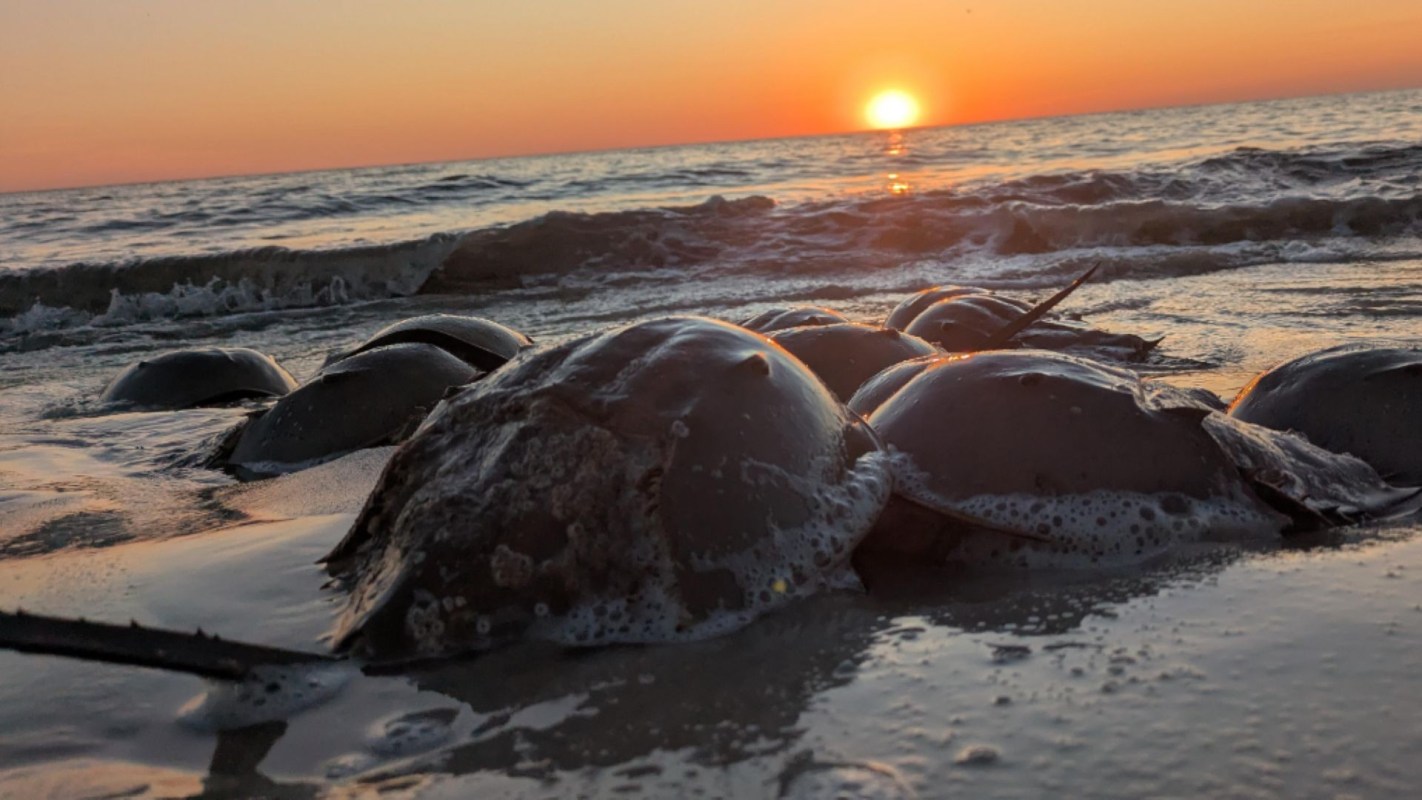
An image shared on Reddit of an East Coast shoreline teeming with spawning horseshoe crabs set the table for a discussion of these remarkable, ancient creatures.
The spectacle impressed viewers, then pushed the conversation toward the species' striking blue blood that is deeply entwined with modern human life.
What happened?
The Reddit post drew hundreds of upvotes after showing what appears to be Delaware Bay during horseshoe crab spawning season, with the tide line filled from side to side.
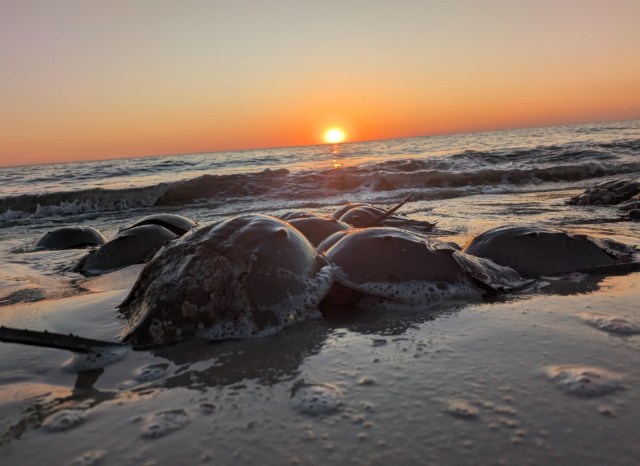
"In late May to early June, giant ancient dinosaur ocean bugs, more commonly known as horseshoe crabs, emerge en masse onto the beaches of the eastern US to breed and lay eggs," the original poster wrote to set the scene.
The late-May to early-June spawning run is among the most dramatic wildlife events on the U.S. East Coast.
The beach scene looks almost like a glimpse into deep time, with horseshoe crabs crawling ashore to mate until their helmet-shaped shells seem to cover a large part of the shoreline.
TCD Picks » Quince Spotlight
💡These best-sellers from Quince deliver affordable, sustainable luxury for all




That impression fits the animals' lineage. Even though they resemble crabs, they are chelicerates rather than crustaceans, so they are closer to spiders and scorpions, and they have been around since long before dinosaurs.
The conversation quickly moved from the mass spawning display to the chemistry inside the animals themselves. Many viewers focused on horseshoe crabs' copper-based blue blood, which is used for the Limulus amebocyte lysate endotoxin test that helps screen injectable medicines for dangerous bacterial contamination.
Why does it matter?
That unusual blue blood is part of what makes horseshoe crabs so important and so vulnerable. As NPR reported, human demand for safe injectables has made them indispensable to modern medicine, even as they are also harvested for bait.
A wildlife event like this is also bound up with difficult questions about how humans use and protect the species.
The crabs matter far beyond the biomedical industry as well. Their eggs sustain shorebirds during migration, the National Wildlife Federation noted. When spawning populations decline, birds that time their migration around those egg bonanzas can suffer as well.
What are people saying?
There was a mix of wonder and discomfort throughout the thread.
"I have an irrational fear and fascination of those things since i was 6 y.o., when i stumbled upon a picture of one on my grandad's natural history book," one commenter shared.
The tone turned darker, especially when the topic turned to what humans do to these animals to extract their valuable blood. One user referred to it as "straight 'Fire in the Sky' stuff," while another warned of the ramifications.
"Until we kill them extinct for their blood," a user cautioned.
"My understanding is the majority of them survive the bleeding, but developing a viable synthetic replacement sooner rather than later would be preferable," the OP replied diplomatically.

Get TCD's free newsletters for easy tips, smart advice, and a chance to earn $5,000 toward home upgrades. To see more stories like this one, change your Google preferences here.






