


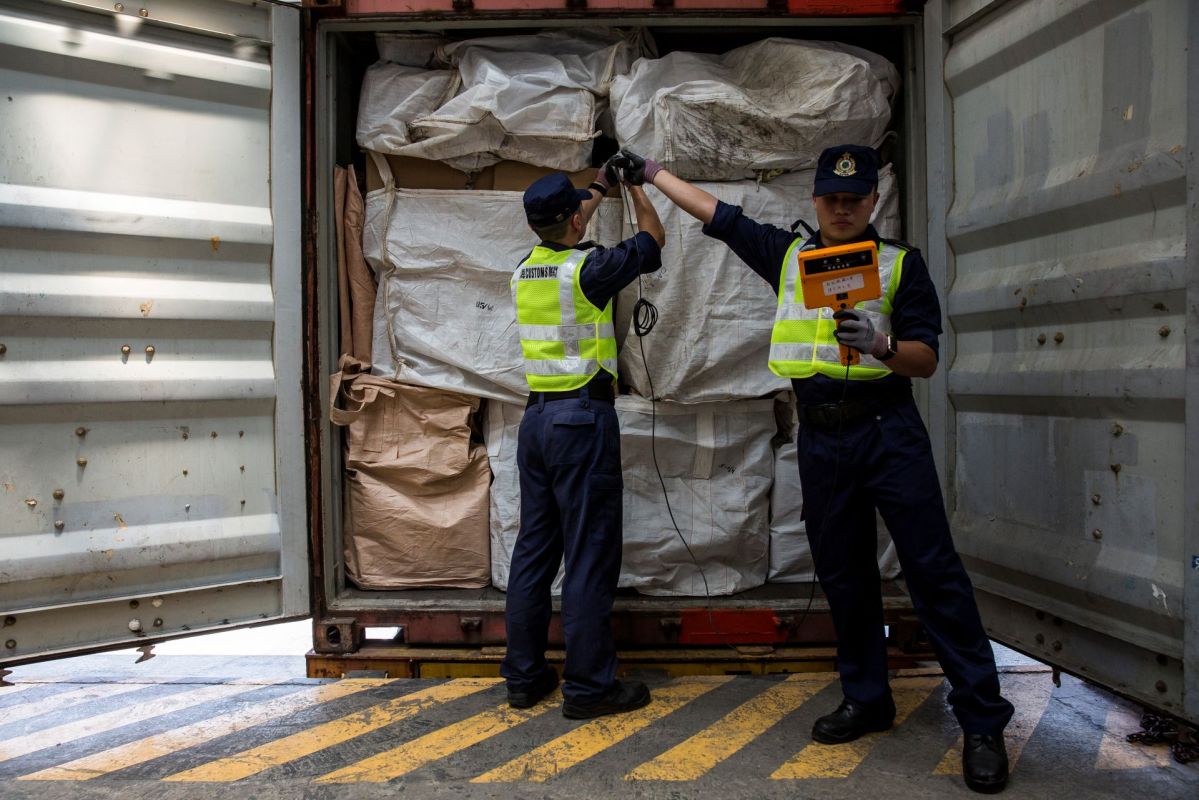
Hong Kong's seizure of contraband valued at more than $3 million has drawn new attention to fish maw, a high-end seafood item linked to growing pressure on endangered marine species.
In June, customs officials found roughly 330 pounds of dried fish bladders, known as fish maw, concealed in a shipment marked as frozen fish fillets traveling from Mexico to Vietnam, according to The Revelator.
Here's what to know
Authorities believe the seized bladders likely came from totoaba, a critically endangered fish native to the Gulf of California. The species has become a prime target because its dried swim bladder can bring extremely high prices on the black market.
Fish maw is regarded as one of the world's most valuable seafood products. A 2020 TRAFFIC report says expanding demand is driving the harvest of threatened fish species in poorly monitored fisheries worldwide.
The trade also endangers many animals beyond the intended catch. Gillnets used to capture fish for their maws can trap and kill sea turtles, sharks, rays, and the vaquita, whose population is estimated at fewer than 10.
Stan Shea, marine program director of BLOOM Association Hong Kong, said: "Our situation now is similar to the early days of the shark fin trade."
TCD Picks » Quince Spotlight
💡These best-sellers from Quince deliver affordable, sustainable luxury for all




More background
In Southern China, fish maw has long been eaten as a delicacy, and it is frequently promoted with collagen-related beauty and health claims.
Experts say the trade is far larger, and far more damaging ecologically, than most people realize. Dr. Yvonne Sadovy, emeritus chair of the IUCN Species Survival Commission Groupers and Wrasses Specialist Group, explained: "A century ago just a handful of species were used for the fish maw trade. Today all of those original species are of conservation concern, and the number of species used in the trade has greatly increased."
Sarah Fowler, scientific advisor for the Save Our Seas Foundation, warned that "the impacts of new fisheries popping up all over the world to supply this booming trade have mostly not been assessed."
What's being done?
Researchers and nonprofits are pushing for tighter international oversight, especially through the Convention on International Trade in Endangered Species, or CITES.
In July, the group's Animals Committee considered possible next steps after conservation organizations in March called for a dedicated fish-maw working group and for the trade to become a standing agenda item. Shea said, "Given that the trade involves over 110 countries that we know of, CITES is very important to help regulate it."
Countries heavily involved in fish maw fishing were asked to identify the targeted species, document their conservation status, and map the trade routes. TRAFFIC has also called for a fish maw-specific World Customs Organization code, along with more law enforcement training and stronger national laws.
"There is a real need to manage fisheries which heavily target species for their maw," Sadovy said, "because these include some of the most valuable and vulnerable exploited fish species in the world."

Get TCD's free newsletters for easy tips, smart advice, and a chance to earn $5,000 toward home upgrades. To see more stories like this one, change your Google preferences here.






