


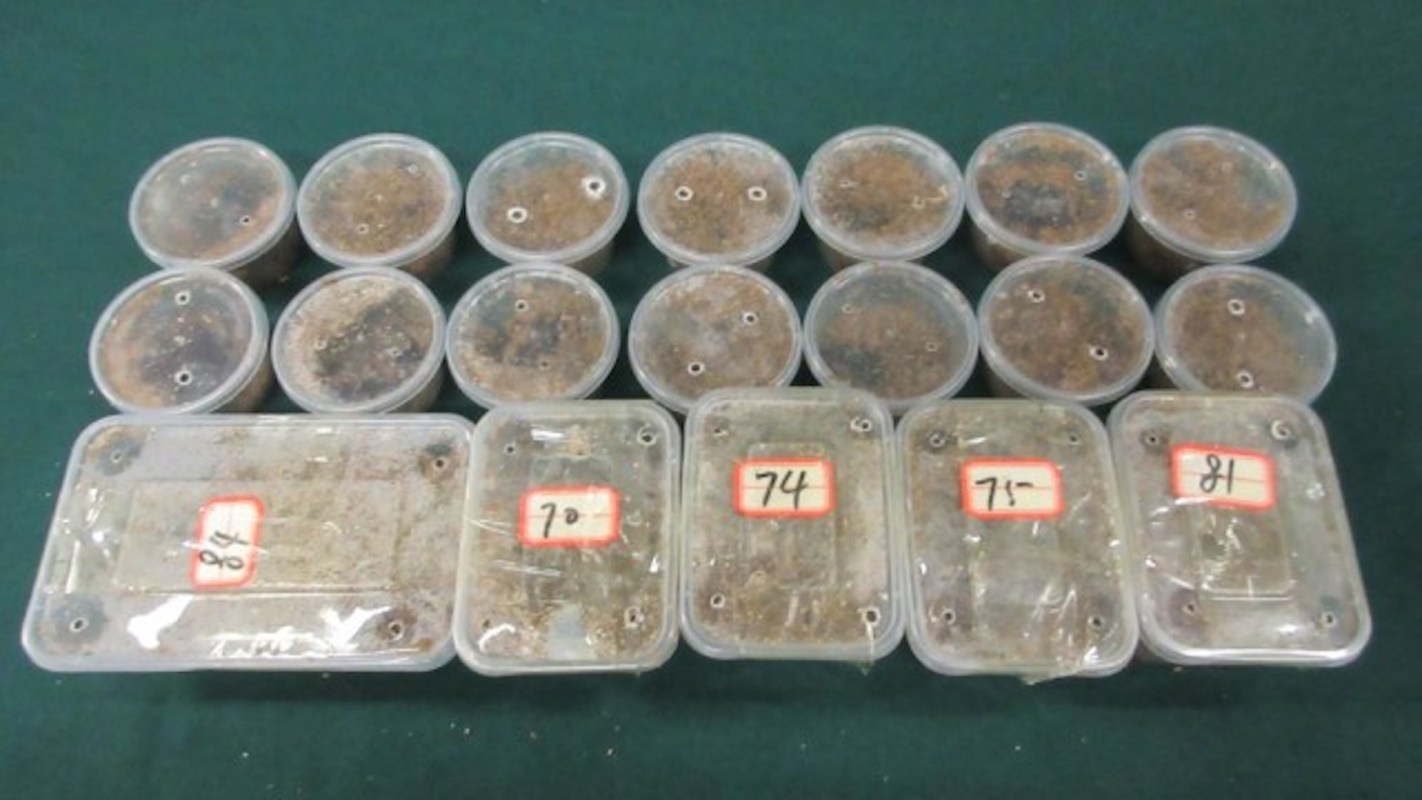
A border inspection in Hong Kong turned into a striking wildlife seizure when officers allegedly found about 1.1 pounds (half a kilogram) of live beetles in a traveler's trolley bag.
Here's what to know
According to The Standard, a search at the Lo Wu Control Point led Hong Kong Customs officers to discover live beetles in the trolley of a 68-year-old local woman they had stopped in the Arrival Hall.
After the beetles were discovered, the woman was arrested, and the insects were turned over to Hong Kong's Agriculture, Fisheries and Conservation Department for further investigation. Authorities estimated the beetles' market value at nearly HK$2,000.
A conviction under Hong Kong's import and pest-control rules can result in a fine of up to HK$10,000 and six months' imprisonment. Officials said bringing in live pests or infested flora without approval is considered a serious offense.
More background
Plant pests can cause damage far beyond a single suitcase. If unauthorized species enter a new area, they can threaten gardens, farms, trees, and other vegetation that people rely on for food, shade, and healthier neighborhoods.
Biosecurity is also a broader community issue, since outbreaks can push up pest-control costs, hurt farmers and growers, and place additional strain on public agencies responsible for managing infestations.
TCD Picks » Quince Spotlight
💡These best-sellers from Quince deliver affordable, sustainable luxury for all




In a dense, highly connected city such as Hong Kong, border enforcement plays an especially important role. A single interception may stop a much wider problem from taking root.
What's being done?
Specialist follow-up began once the relevant department received the seized items from customs, which had first flagged them as suspicious. That kind of handoff matters when border officers encounter living organisms.
Where can I learn more?
This seizure is part of a broader pattern that shows up at borders around the world, including traffickers exploiting weak spots, moving vulnerable species across regions, and leaving officials trying to contain the ecological fallout.
• New intelligence warned that green-collar smugglers know permit loopholes well enough to evade enforcement.
• European wildlife officials uncovered a shocking scale of eel trafficking that could destabilize whole populations.
• In Malaysia, traffickers moved tiger parts through an unexpected method used because inspections were rare.
• In South Dakota, officials expanded a firewood ban to slow the emerald ash borer's spread.
• A homeowner's effort to stop lanternflies showed how sticky traps can harm wildlife.
These cases help explain why agencies take live insect imports and wildlife shipments so seriously. The fallout can include ecosystem damage, added pressure on vulnerable species, and expensive enforcement efforts.

Get TCD's free newsletters for easy tips, smart advice, and a chance to earn $5,000 toward home upgrades. To see more stories like this one, change your Google preferences here.






