


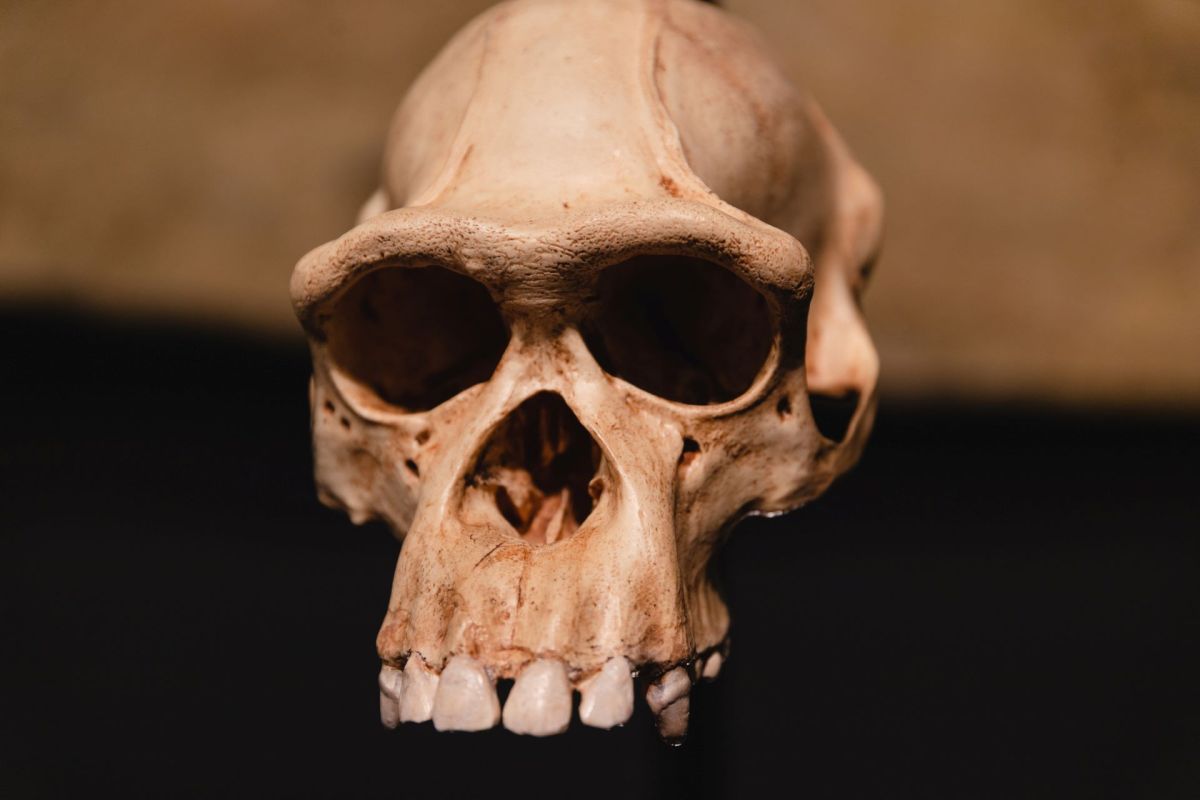
Teeth from the Rising Star cave system are offering an unusual window into Homo naledi, one of the oddest branches on the human family tree. A new study suggests that every known skeleton of the species recovered there may be female.
If that pattern is real, it could give scientists new clues about how this ancient species lived, died, and may have treated its dead.
What happened?
Using proteins preserved in 20 Homo naledi teeth from the Rising Star cave system in South Africa's Cradle of Humankind, researchers searched for biological sex markers, as Live Science reported.
The team reported in Cell that it found AMELX proteins, which occur in both sexes, but no AMELY proteins, which appear only in biological males. That led the researchers to conclude that all of the sampled individuals may be female — including fossils that had previously been considered male because of their body size.
The result is notable because Homo naledi has long defied easy explanation. Since 2013, Lee Berger, a National Geographic explorer-in-residence who heads the Rising Star project, and his colleagues have studied nearly two dozen skeletons of these small-brained, upright-walking hominins.
Berger told Live Science the fossils "surprised us," adding that H. naledi "has always been an enigmatic discovery."
TCD Picks » Quince Spotlight
💡These best-sellers from Quince deliver affordable, sustainable luxury for all




Its body plan blends primitive traits with hands, legs, and feet that look more human-like. Researchers have also controversially proposed that the species may have used fire and even buried its dead.
Why does it matter?
If the findings hold up, an all-female sample from the cave could support the view that the site was used intentionally in a socially meaningful way. Berger said: "The most likely reason for these robust results are, in my opinion, cultural selection after death for burial by sex and perhaps gender."
John Hawks, a paleoanthropologist at the University of Wisconsin, Madison, and a study co-author, said in a statement that "there are many past human societies with sex-specific burial practices." According to Live Science, these remains are older than any burial site known for Neanderthals or modern humans.
The study also points to a minimally damaging tool for investigating human evolution, showing that protein-based analysis can yield information from rare fossils without causing significant harm.
Researchers also identified a gene variant shared by H. naledi and Paranthropus robustus, another ancient human relative from South Africa, raising fresh questions about how the two species may be linked.
What are people saying?
Outside experts say the finding is intriguing, but they are not treating it as settled. Elizabeth Sawchuk, curator of human evolution at the Cleveland Museum of Natural History, told Live Science: "The bottom line is this is a weird result from an already weird hominin."
She emphasized that a lack of male-linked evidence is not the same as proof that males were absent, and said studies of H. naledi "continue to yield more questions than answers."
Study co-author Enrico Cappellini, a paleoproteomics professor at the University of Copenhagen, said in the statement that either explanation is "fascinating and would have deep implications for a better understanding of the biology and evolution of this species."

Get TCD's free newsletters for easy tips, smart advice, and a chance to earn $5,000 toward home upgrades. To see more stories like this one, change your Google preferences here.






