


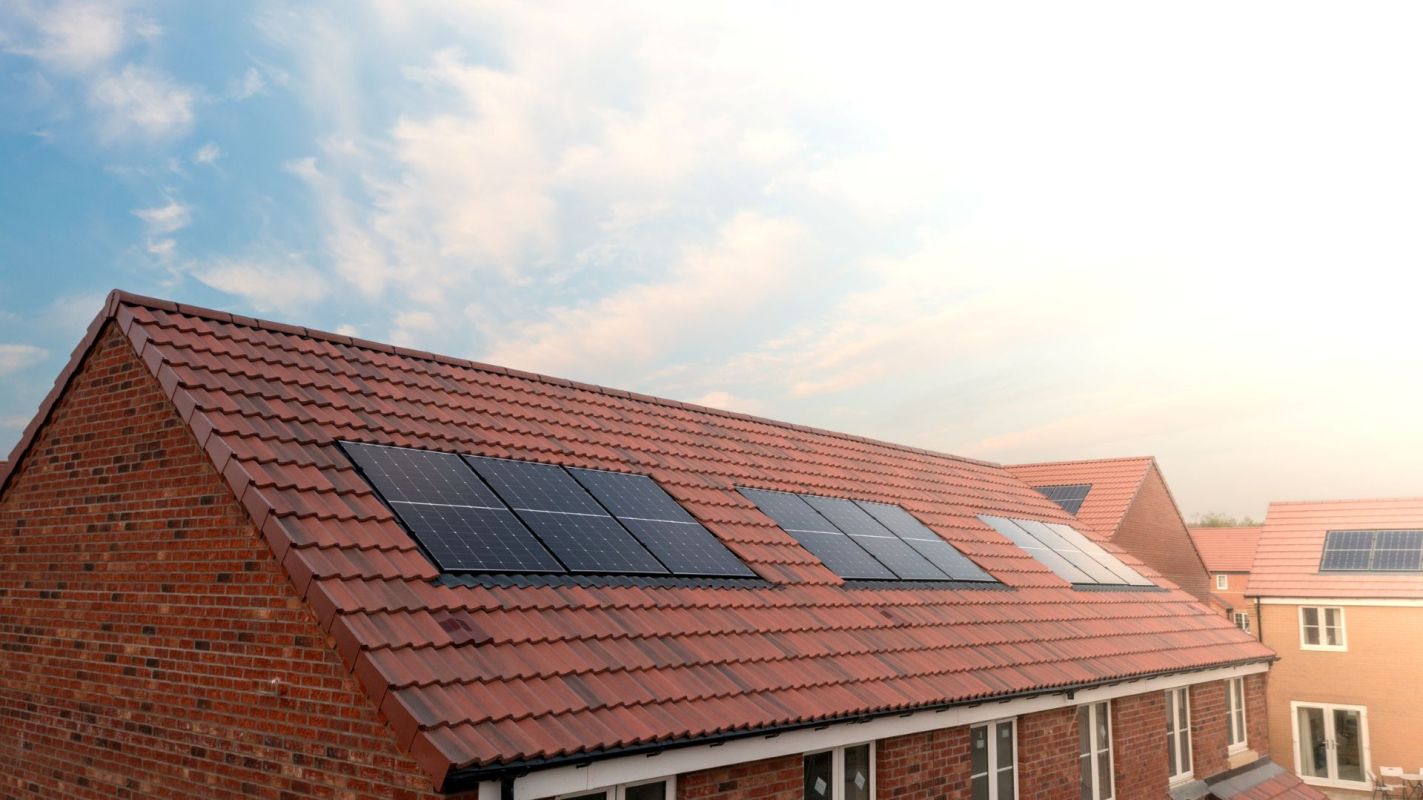
A homeowner in Solihull, England, says their roof fits 23 solar panels and has roughly 11 kilowatts of capacity, but the local grid will only allow about 4 kilowatts of generation.
That cap has forced them to rethink the project before installation even begins.
Here's what to know
Writing on Reddit, the homeowner explained that NGED (their distribution network operator) said the limit stems from the property's single-phase connection and the number of neighboring homes that already have solar. Under that restriction, the project could use only one G98 inverter at roughly 3.68 kilowatts, and a quote to add a three-phase service came back at about £27,000.
The homeowner added that NGED would not approve a G100 export-limiting arrangement. They said the operator was concerned that output reduction could take up to 15 seconds, allowing voltage to climb before the limit took effect.
Others in the thread said the issue is common. One commenter wrote, "I had the same limit. 4kW inverter full stop - not just an export limit. Was initially depressed about the whole thing but now I have a SolaX 3.6kw inverter, 20kWh of batteries and 7kWp on the roof - 14 panels. Works really well for me."
More background
Tying into an existing grid creates complexity. Neighborhood grid constraints can block clean-energy upgrades even when a homeowner has the roof space, budget, and interest to move forward. In this case, nearby solar adoption and limitations in the existing hardware appear to have limited one household's ability to install solar.
For households that can move forward, going solar is still one of the best ways to save money on home energy. Readers comparing system sizes can use EasyHome's free explorer tool to see pricing and savings from vetted installers in their area.
What can be done?
When a grid operator limits a house's output, adding solar gets a bit harder. In this case, the homeowner already tried all the options with the grid manager and faced bespoke options to get the full potential of their roof space.
Crushed by your bills? See instant solar savings from vetted installers in just a few clicks With energy prices through the roof, there's never been a better time to go solar — and EasyHome can help you find the best prices from the best installers in your area. EasyHome takes the guesswork and headaches out of energy upgrades by showing you estimated savings from a network of vetted local partners. To get started, just enter your ZIP and share a few details about your home — seeing your estimate is really that easy. |

They were weighing a Sigenergy Neo, provided it reaches the U.K. with the needed certification and software support; a Fox PQ1-3.7 that could take all 23 panels with optimizers; and a Fox H1-3.7 G2 paired with about 19 kilowatt-hours of batteries.
For readers facing the complexities of adding solar, EasyHome can be a useful place to compare installer quotes and system designs side by side. EasyHome's free explorer tool can also help homeowners explore backup battery storage, and pairing solar with a battery can maximize savings while keeping the home powered by solar when the grid goes down.
The homeowner summed up the central issue plainly: "The frustrating part is that we have roof space for 23 panels (about 11 kWp, east, south and west)."

Get TCD's free newsletters for easy tips, smart advice, and a chance to earn $5,000 toward home upgrades. To see more stories like this one, change your Google preferences here.






