


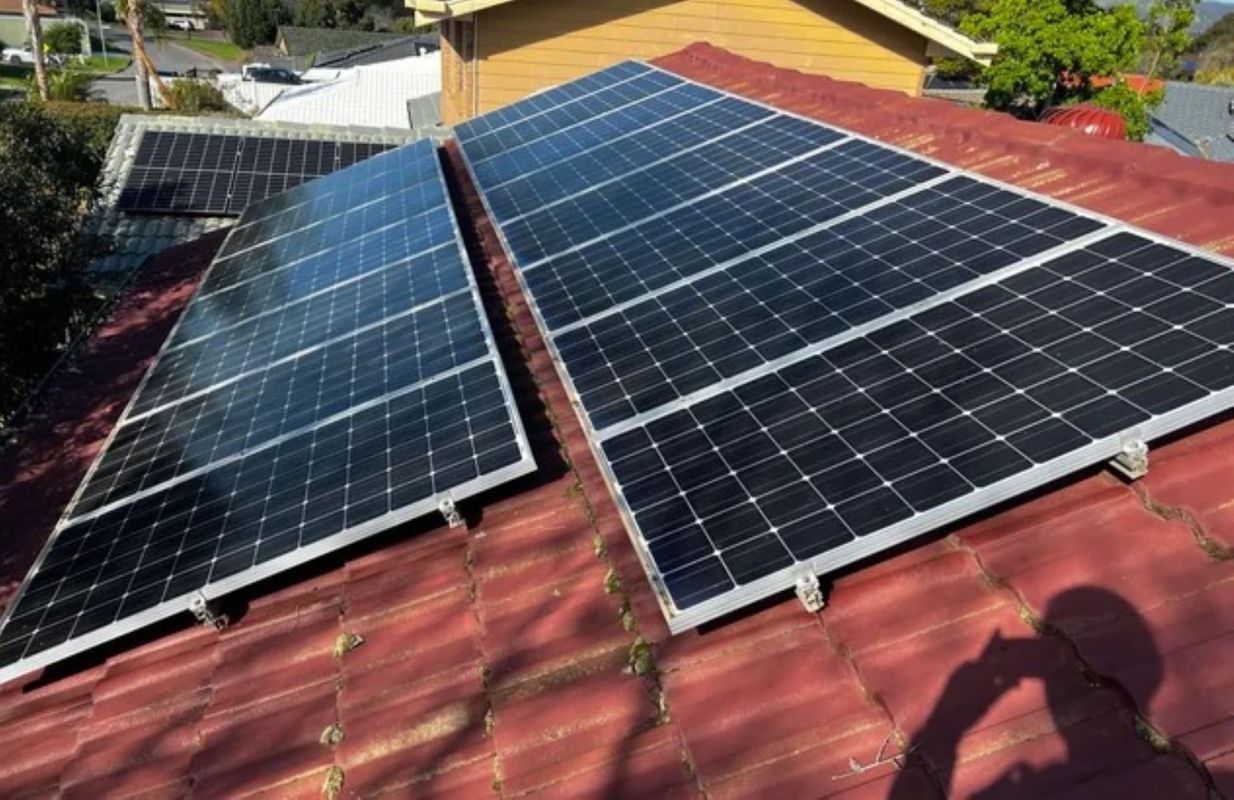
After moving into a home with rooftop solar, one Reddit user began trying to make sense of several troubling signs. Power being sent back to the grid appeared lower, the inverter screen was blank, and the meter was hard to read.
What happened?
In a Reddit post, the homeowner said the solar system came with the property and that they were trying to determine whether it was still operating properly.
Among the issues they noticed were lower feed-in as winter got closer, an inverter display that had gone dark, and a smart meter they found difficult to interpret. What made the situation less clear was that the inverter's fault indicator remained green, leaving open the possibility that the system was producing power but the display itself was not.
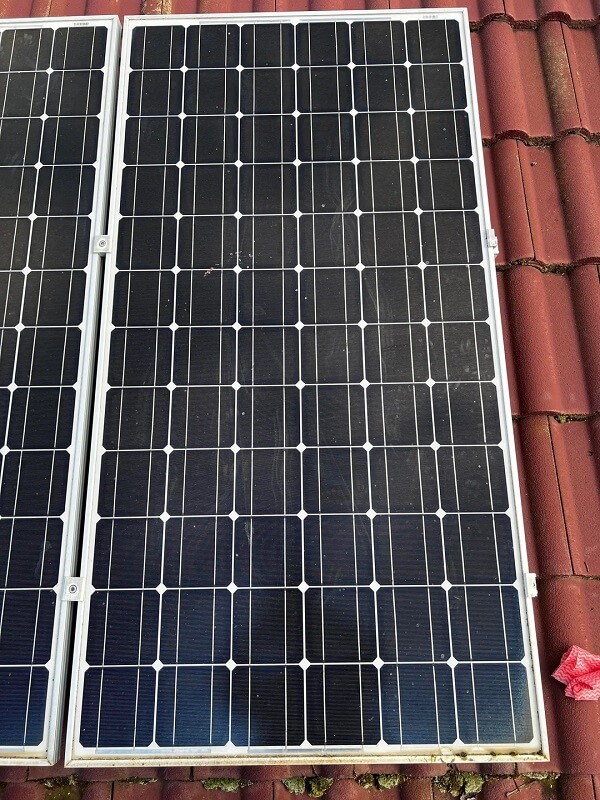
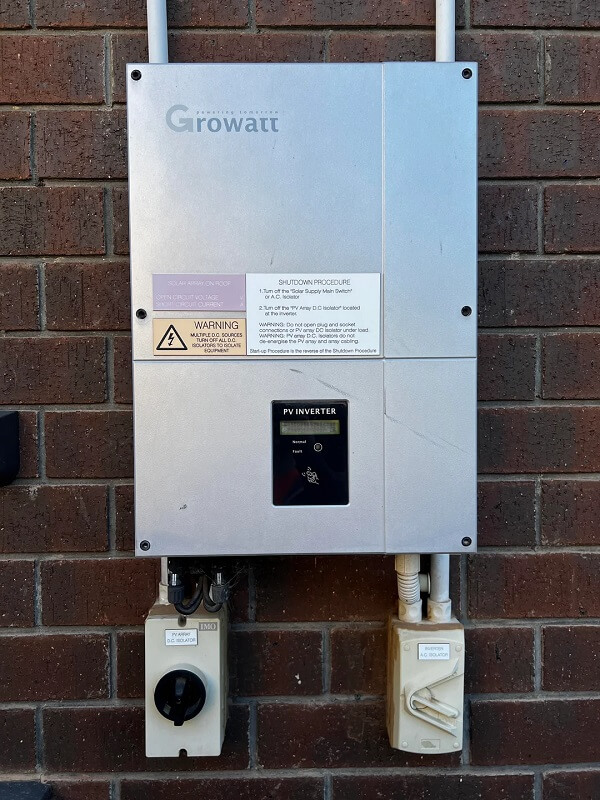
That kind of uncertainty is common with inherited systems. Without installer paperwork, app logins, maintenance records, or a clear sense of normal seasonal swings, it can be hard to tell the difference between expected lower production and a problem that needs repair.
If you're starting from scratch, going solar is one of the best ways to save money on your home energy costs. Homeowners can explore EnergySage free tools to get quick solar installation estimates and compare quotes.
Why does it matter?
Solar is supposed to lower utility bills, but that benefit depends on a system producing what it should. When a homeowner cannot tell whether panels are underperforming, slowing for the season, or disconnected from monitoring, they may miss out on savings month after month.
That confusion can get expensive. A winter drop in output can be normal, and a dead inverter screen does not automatically mean the whole setup has stopped working. If either sign is mistaken for severe panel degradation, a homeowner could spend money on replacements before simpler explanations are ruled out.
That baseline check matters even more for anyone considering a battery. Paying for storage before confirming that the existing array, inverter, and export arrangement are working properly can be a poor use of money. Knowing exactly what is already installed can help homeowners protect their budget and make smarter upgrade decisions.
Save $10,000 on solar panels without even sharing your phone number Want to go solar but not sure who to trust? EnergySage has your back with free and transparent quotes from fully vetted providers that can help you save as much as $10k on installation. To get started, just answer a few questions about your home — no phone number required. Within a day or two, EnergySage will email you the best local options for your needs, and their expert advisers can help you compare quotes and pick a winner. |

What can I do?
The first step is usually to gather the basics: the inverter brand and model, any panel labels, past electric bills, and any available meter readings. From there, a licensed solar technician or electrician can often determine whether the system is generating, whether the display itself has failed, and whether seasonal conditions explain the lower feed-in.
Free comparison tools can help on the upgrade side too. EnergySage's tools can help homeowners save up to $10,000 on solar purchases and installation.
Homeowners can also use EnergySage's solar map, which shows the average cost of a home solar panel system on a state-by-state level, along with details on solar incentives for each state. Together, those resources can help homeowners get the best price for rooftop solar panels and access available incentives.
Adding battery storage to a solar setup is one of the best ways to protect your home during outages, save money on energy, and go off-grid. It can also make an existing system more useful by storing excess power instead of sending it all back to the grid. Homeowners can explore EnergySage free tools for information about home battery storage options, including competitive installation estimates.
More From EnergySage
💡Go deep on the latest news and trends shaping the residential solar landscape




An inherited solar setup can be confusing without necessarily being broken. Lower winter exports, a blank inverter display, and a hard-to-read meter do not by themselves point to a major failure.

Get TCD's free newsletters for easy tips, smart advice, and a chance to earn $5,000 toward home upgrades. To see more stories like this one, change your Google preferences here.






