



One California homeowner's numbers under NEM 3.0 have sparked a lively Reddit discussion, highlighting how little some solar users get paid for sending large amounts of surplus electricity to the grid.
For households in areas with less favorable net metering policies, which determine how utilities credit homeowners for excess solar energy sent back to the grid, battery backups can increase home savings with solar while providing reliable power during outages.
What happened?
The homeowner explained in the r/solar subreddit that their home has a 17-kilowatt panel system and 33 kilowatt-hours of battery storage, a setup chosen because they live in a foggy area and plan to eventually charge EVs at their home.
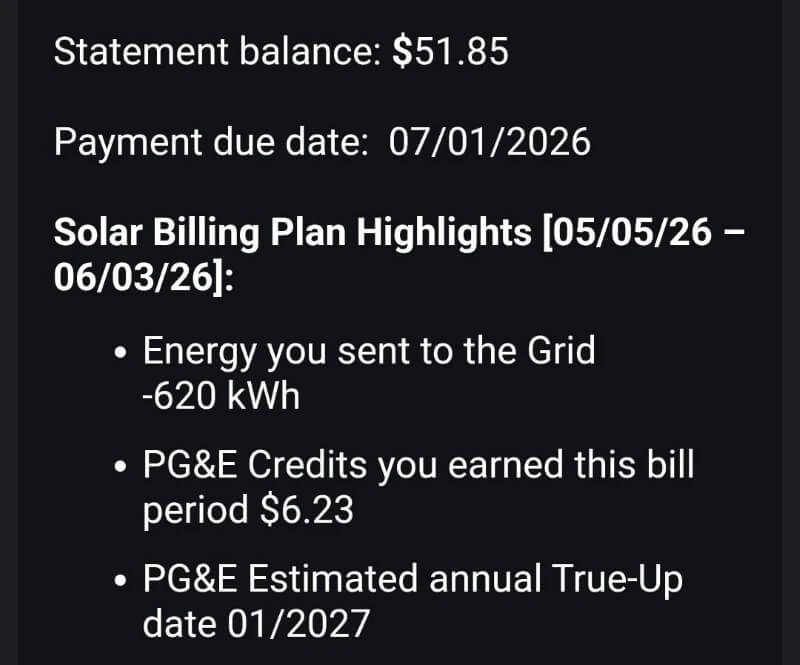
The homeowner was disappointed with how little their utility company, PG&E, compensated them for the excess energy sent back to the grid under California's updated net metering rules, known as NEM 3.0.
"It is just hilarious how little NEM 3.0 pays out," the poster wrote.
Under NEM 3.0, some commenters noted, the value of exported electricity depends heavily on timing and overall grid conditions, not just the number of kilowatt-hours sent out.
TCD Picks » Quince Spotlight
💡These best-sellers from Quince deliver affordable, sustainable luxury for all




Extra solar power sent to the grid around midday may earn very little because California often has abundant solar generation at that time. Electricity exported later, especially in the evening, can be worth much more.
That structure rewards a different approach: use more of your own generation at home, use a battery to store it for later, and avoid building a system that mainly creates excess power in the middle of the day.
Why does it matter?
The practical effect is that homeowners may come out ahead by storing excess daytime solar energy for use later in the day.
Because peak-rate electricity is more expensive, batteries can play a significant role in cutting bills, especially in areas where evening pricing is high.
The discussion also turned into a fight over how utilities price power. Some users said it feels wrong for rooftop solar energy exports to be purchased for pennies while electricity is sold to customers at much higher rates, while it is important to note that some of the gap reflects expenses such as transmission, wildfire-related costs, and other fixed charges.
Commenters broadly agreed on one point: system sizing decisions in California look different under NEM 3.0, and energy storage is becoming an important money-saving tool for homeowners with solar.
What are people saying?
While some homeowners were frustrated about the reduced savings, others said the new rules actually show that solar is working well and becoming more common in the area. As more people install solar, there's less need for extra incentives to push adoption, because it's already becoming a normal part of the energy system.
Even with less lucrative incentives, homeowners who make the switch can see major savings with solar.
Another user suggested that the original poster could expand battery storage more affordably by using a repurposed EV battery. While this option would still require professional installation and proper setup, used electric vehicle batteries can sometimes be purchased at significant discounts compared to new home battery systems.

Get TCD's free newsletters for easy tips, smart advice, and a chance to earn $5,000 toward home upgrades. To see more stories like this one, change your Google preferences here.






