


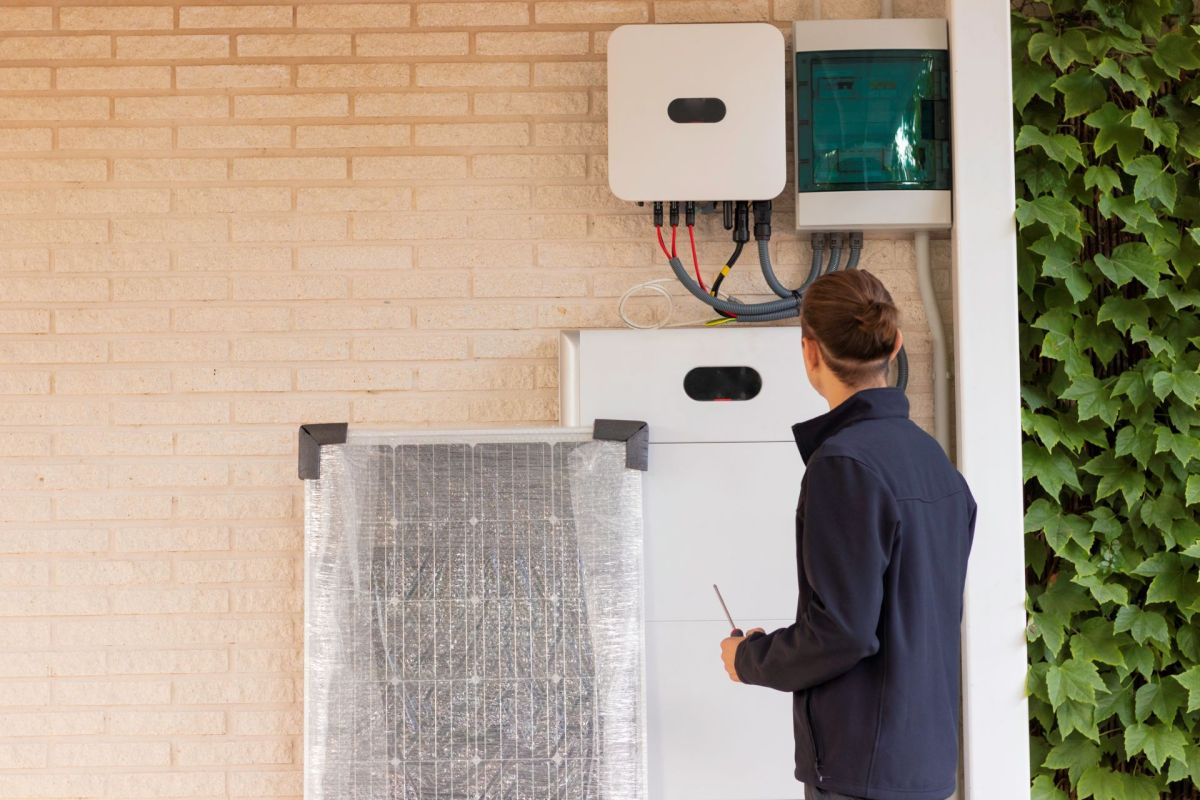
A U.K. homeowner said their usual 4 a.m. battery top-up had started taking longer as overnight temperatures dropped to about 41 degrees Fahrenheit (5 degrees Celsius).
The discussion resonated with other homeowners with energy storage who were preparing for winter and trying to get the most value from off-peak electricity tariffs.
Here's what to know
In a Reddit thread, the homeowner said they usually charge from the grid at about 4 a.m., but colder October mornings seem to be slowing it down.
In the replies, one commenter asked which battery manufacturer was involved and noted that some systems include a heating mode that may need to be turned on.
The original poster said the battery was a Fox EP6 and that "the installer left the Battery Warmup not enabled at present."
Other responses focused less on temperature and more on scheduling. One user wrote, "Why aren't you doing it as soon as your cheap off peak period starts? Waiting til the end makes no sense."
Another described charging for the entire low-rate window so the house uses cheap grid electricity overnight instead of depleting the battery before morning.
For homeowners still comparing setups, exploring EnergySage can be a practical way to learn about home battery storage options and get competitive installation estimates. EnergySage has teamed up with electrification brand Qmerit to help homeowners get the best price on home battery storage solutions.
Crushed by your bills? See instant solar savings from vetted installers in just a few clicks With energy prices through the roof, there's never been a better time to go solar — and EasyHome can help you find the best prices from the best installers in your area. EasyHome takes the guesswork and headaches out of energy upgrades by showing you estimated savings from a network of vetted local partners. To get started, just enter your ZIP and share a few details about your home — seeing your estimate is really that easy. |

More background
On time-of-use plans such as Octopus Go or Intelligent Go, even minor changes to a charging schedule can affect what a household pays for electricity.
The original poster said the 4 a.m. top-up was to ensure the battery reached full charge before peak pricing returned shortly before 6 a.m.
Across the thread, several people described essentially the same tactic: cover the whole cheap-rate window rather than only the last part of it. One wrote that they charge between 11:45 p.m. and 5:30 a.m., while another with two EVs said their system stays in charging mode throughout the off-peak period so overnight demand is met with lower-cost grid power.
Battery storage can protect a home during outages, reduce energy costs, increase energy independence, and help households shift usage away from pricier daytime electricity to overnight rates.
What can be done?
The clearest technical step was to check whether the battery had a built-in warming function and whether it was enabled.
A broader theme in the replies was to start charging earlier and let it run through the full cheap-rate period.
Some users said overnight standby or charge-only settings can prevent appliances, such as a dishwasher or washer-dryer, from draining the battery before peak pricing begins.
For people not ready for a whole-home setup, Pila offers strong battery backup options, and its plug-and-play batteries cost a fraction of what a whole-home backup system would.
Where can I learn more?
Storing cheaper energy in home batteries can make a huge difference in reducing energy bills, as more homeowners are finding out.
• In the U.K., neighborhood-scale batteries could cut bills by storing cheaper electricity locally.
• A new sodium-ion battery design handles deep cold and charges quickly for solar storage.
• In China, Greater Bay Technology said its battery resists winter charging slowdowns.
• Solidion said extremely cold temperatures no longer have to rule out ultrafast charging.

Get TCD's free newsletters for easy tips, smart advice, and a chance to earn $5,000 toward home upgrades. To see more stories like this one, change your Google preferences here.






