


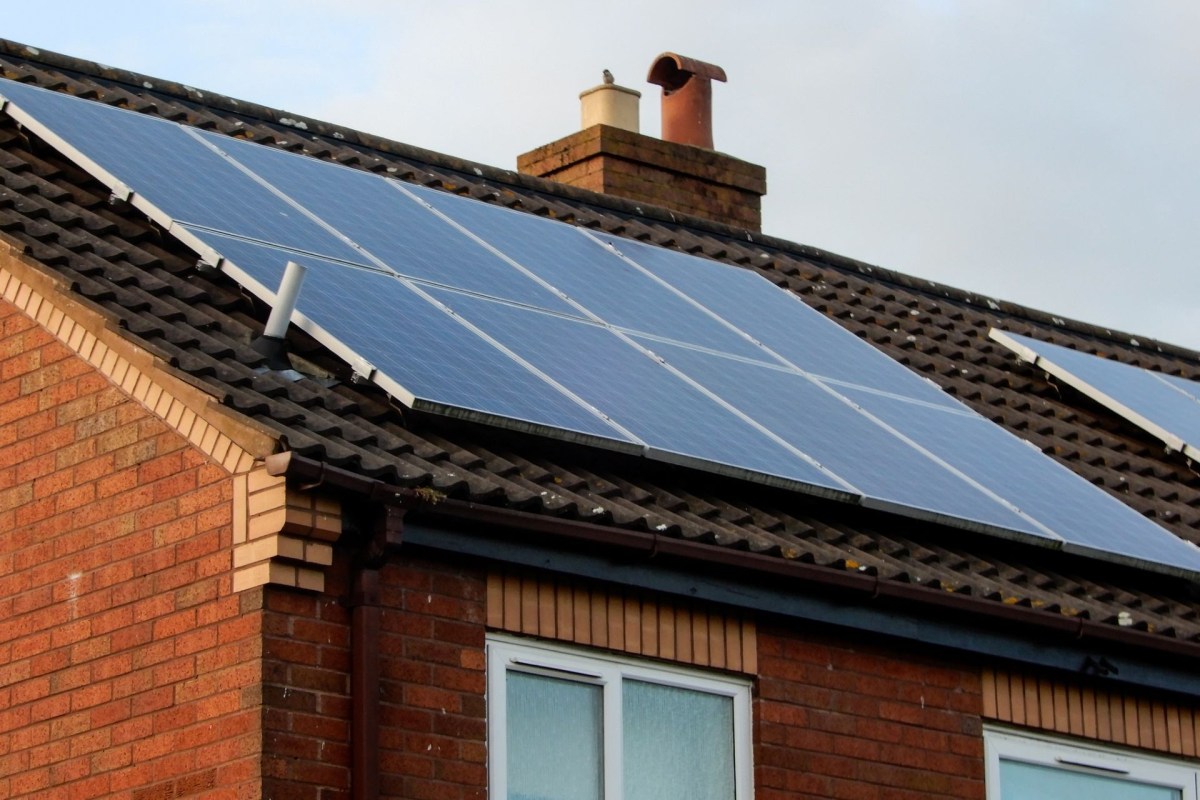
A recent study showed that households in the United Kingdom that combined solar panels with battery backup saved on energy bills. The Centre for Net Zero also found that they placed less strain on the electrical grid and significantly reduced carbon pollution.
Here's what to know
A thread on Reddit's r/SolarUK summarized the study, which was produced by researchers Daniel Lopez Garcia, Robert D. Metcalfe, Andrew R. Schein, and Yixin Sun.
According to the original poster, U.K. homes with solar panels and battery storage bought 38% less electricity directly from the grid. That figure increased to a 77% net reduction when energy exported back to the grid was taken into account.
Summer appeared to bring the biggest drop in costs. Bills were projected to come close to zero, and the study said savings still continued in winter.
The researchers even found that the increase in home batteries had changed the timing of electrical demand.
Between 4 p.m. and 8 p.m., typically a time of peak electricity demand, grid imports fell 66%. This trend even held true in December, which indicated that battery storage still made a difference even when solar generation was much lower.
For households considering the move to a solar-and-battery system, going solar remains one of the best ways to save money on home energy. For more information on solar options in your area, including free installation estimates and quote comparisons, you can check out EnergySage.
More background
In many countries, including the U.S., some utility companies offer variable electricity rates. In those cases, power is more expensive during peak-use hours (typically 4 p.m. to 9 p.m.) but cheaper during times, like overnight, when electricity demand usually is lower.
Save $10,000 on solar panels without even sharing your phone number Want to go solar but not sure who to trust? EnergySage has your back with free and transparent quotes from fully vetted providers that can help you save as much as $10k on installation. To get started, just answer a few questions about your home — no phone number required. Within a day or two, EnergySage will email you the best local options for your needs, and their expert advisers can help you compare quotes and pick a winner. |

For home-battery owners, a variable rate plan can reduce energy costs by charging the battery off the grid when energy is cheaper and powering their home off the battery when grid-electricity prices are at their highest.
As commenters noted, the fact that so few homeowners switched to plans that provided more benefits to them showed a lack of public awareness about the benefits of variable-rate pricing.
"Only 1 in 4 four households on a solar tariff and half remains on a fixed rate tariff suggests there may be some work to do in education," observed one commenter.
Significant savings
The researchers determined that, by installing a solar-and-battery system in their home, homeowners reduced their electric bills by an average of about 61%, or £681 ($848) per year.
More From EnergySage
💡Go deep on the latest news and trends shaping the residential solar landscape

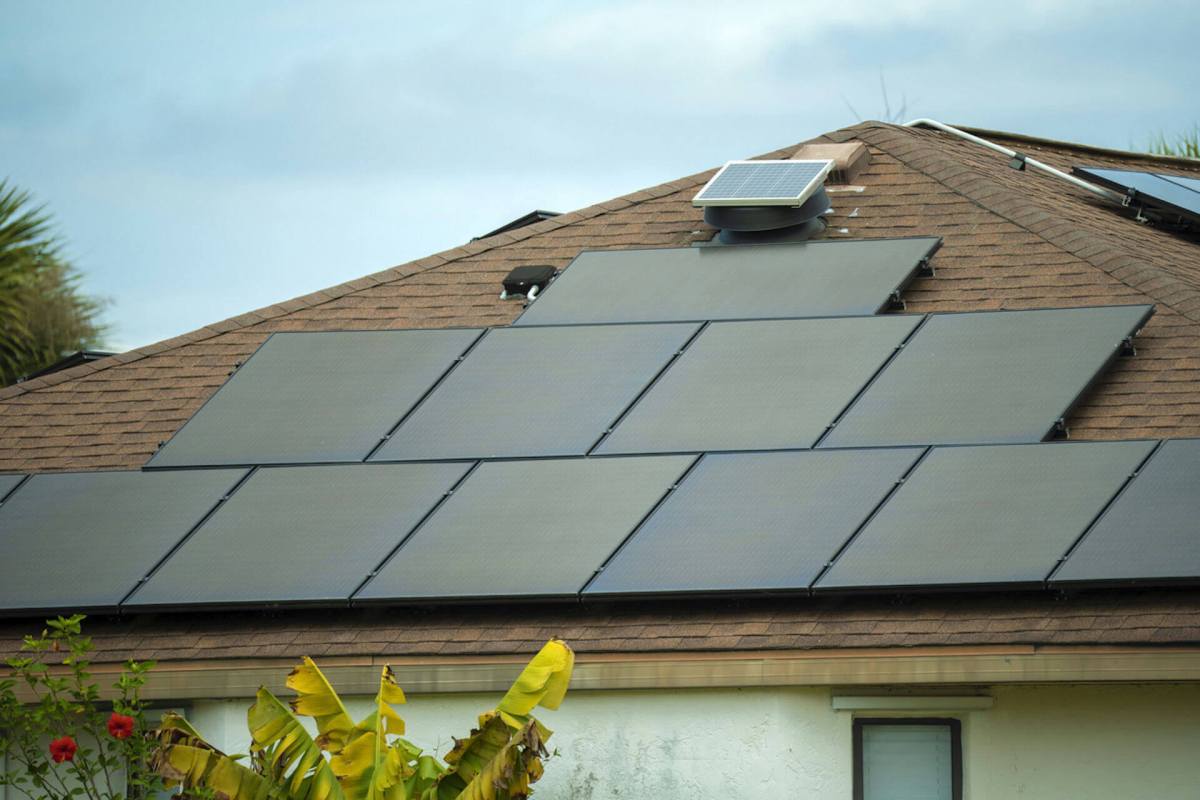
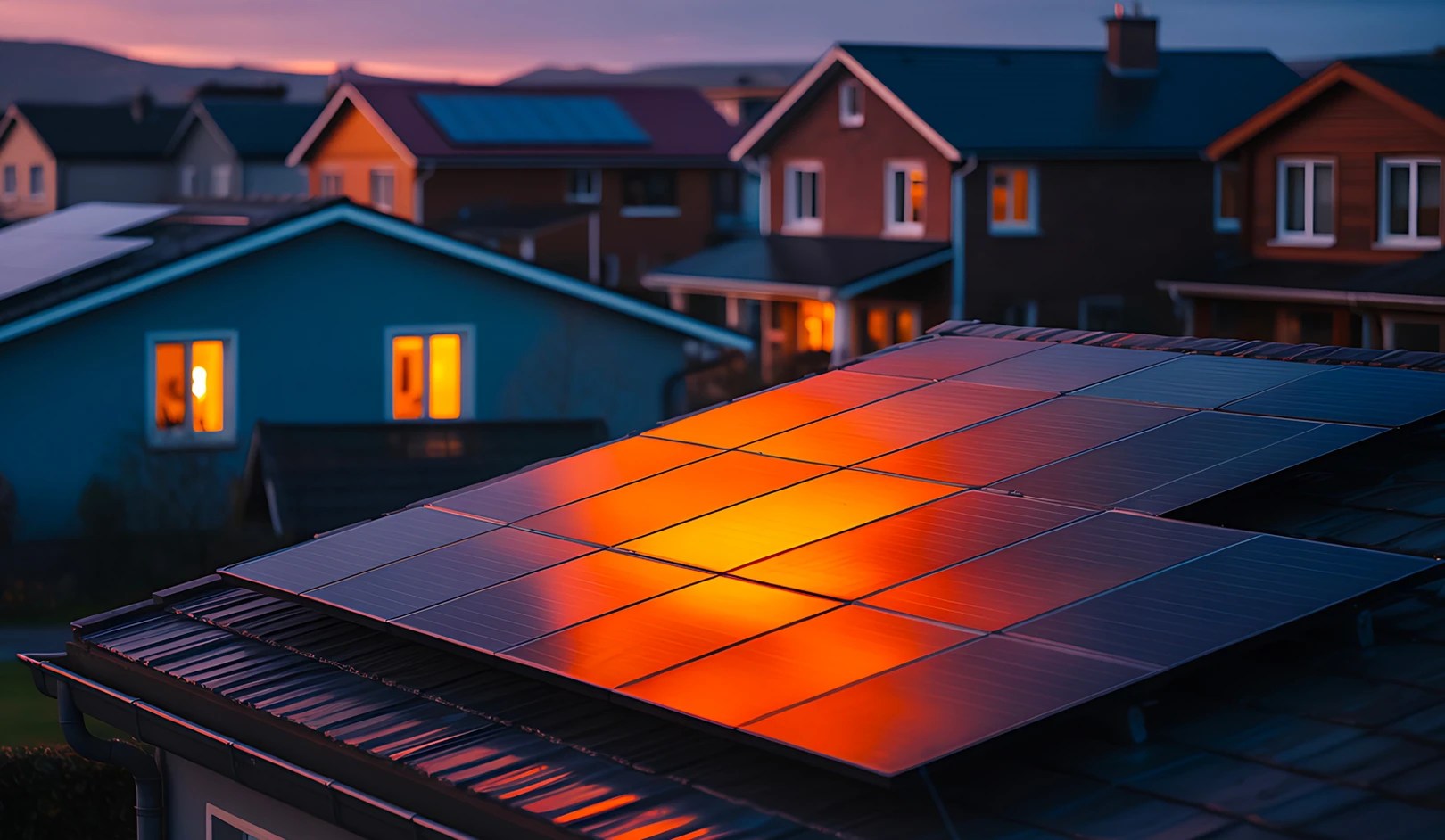

They calculated that a home battery by itself delivered about £148 ($196) in yearly cost savings — around 13% of a baseline annual bill. It also reduced peak-hour demand much more than solar alone.
Going solar with a battery can save money and reduce air pollution. The researchers found that, over a 15-year lifespan, a typical system could prevent about 4.9 tons of carbon dioxide per household from entering the air.
How to take advantage of solar savings
For people comparing options, EnergySage's solar map shows the average cost of a home solar panel system on a state-by-state level, along with details on solar panel incentives for each state. Together, those resources can help homeowners get the best price for rooftop solar panels and access available incentives. With EnergySage's help, the average person can save up to $10,000 on solar purchases and installations.
Going solar combined with a home battery can also give you more control over when and how you use grid power, which is exactly where this study found some of the biggest savings. Homeowners can explore EnergySage for information about home battery storage options, including competitive installation estimates.
Given the study's promising results, one commenter found themselves questioning when such features would become standard on new homes.
"Interesting stuff," they wrote. "How long till something like home batteries is standard for new builds? Having local 'power plants' instead of huge national ones makes far more sense from a logistical point of view."
Where can I learn more?
Rooftop solar is cutting household energy costs in many places.
• In North Lincolnshire, a free solar scheme is already easing local household energy bills.
• Across many homes, solar panels save about $700 a year on electricity.
• Rooftop systems paired with community-based solar discounts can trim more than $100 monthly.
• As power-hungry data centers expand, rooftop solar can buffer households from rising long-term utility costs.
• One homeowner said the bill drop after installing rooftop solar "took my breath away."

Get TCD's free newsletters for easy tips, smart advice, and a chance to earn $5,000 toward home upgrades. To see more stories like this one, change your Google preferences here.






