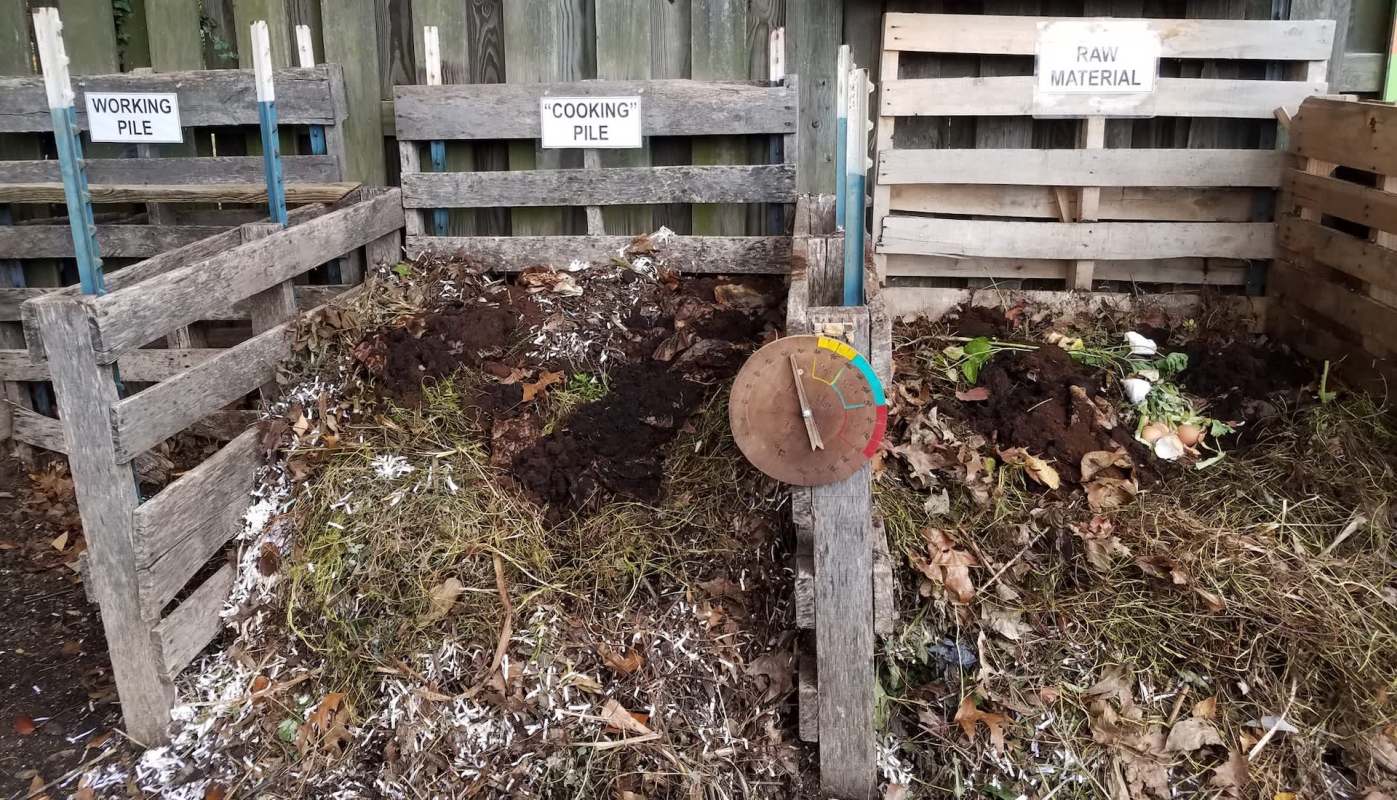
For people trying to reduce plastic waste at home, the growing availability of "home-compostable" forks, plates, cups, and bin liners can seem like a simple solution.
Yet Civil Eats reveals that closer scrutiny suggests some of those products may leave behind plastic particles or chemical residues in backyard soil.
What's happening?
More household goods are being sold with claims that they can be safely added to a backyard compost bin. In December, the Biodegradable Products Institute introduced a home-compostable certification label for bioplastic products, according to Civil Eats.
Since then, products from nearly two dozen companies have reportedly received that certification.
These items are meant to break down under home-compost conditions, unlike industrially compostable plastics, which usually need the hotter environment of commercial composting facilities, Civil Eats notes.
Many home-compostable products are made with PHAs, a newer type of bioplastic that generally decomposes more easily than materials like PLA. Still, experts told the outlet that a "compostable" label should not be taken as proof that a product is harmless.
TCD Picks » Quince Spotlight
💡These best-sellers from Quince deliver affordable, sustainable luxury for all




Research has shown that biodegradable bioplastic bags and fibers can be as toxic as, or even more toxic than, standard plastics, with much of that risk tied to the additives used to make those materials functional.
According to Civil Eats, BPI's standard prohibits the intentional addition of PFAS, carcinogens, reproductive hazards, and other persistent chemicals. Endocrine disruptors, including phthalates, are not currently on the banned list.
Margaret Eldridge, BPI's director of certification, addressed that point to Civil Eats.
"We continue to evaluate whether additional restrictions would strengthen confidence in compostability claims," Eldridge replied.
Why does it matter?
The pitch is easy to understand. Use a cup or bag labeled home-compostable, put it in a backyard pile instead of the trash, and end up with useful compost.
The issue is that compost becomes less useful for gardens and other places where food is grown if those products fail to fully decompose or leave contaminants behind.
"We don't see these chemicals, but they are still going into our soil," Lisa Zimmerman, scientific communication officer at the Food Packaging Forum, explained to Civil Eats.
Researchers also said current certifications leave important questions unanswered. While the standard measures effects on seed germination and plant growth, Civil Eats reported that it does not require testing on soil microbial communities or broader ecosystem impacts, including effects on invertebrates and nutrient cycles.
So consumers paying more for single-use products marketed as greener may not always be getting the simple backyard-composting solution they expect.
What can I do?
Experts say people who compost at home should be selective about what they add.
A useful compromise can be found in Europe's packaging law. As Civil Eats noted, compostable plastics can be saved for items that are hard to separate from food waste, such as bin liners, tea bags, coffee pods, and produce stickers.
For many other products, reusables are typically the safer and less expensive choice. Avoiding single-use compostable cutlery and plates can help households skip the extra cost of items that may offer little benefit in a compost pile to begin with.
Experts say that anyone who wants to try certified home-compostable products should start on a small scale and closely monitor whether the items break down under backyard conditions before using the finished compost around edible plants.

Get TCD's free newsletters for easy tips, smart advice, and a chance to earn $5,000 toward home upgrades. To see more stories like this one, change your Google preferences here.