


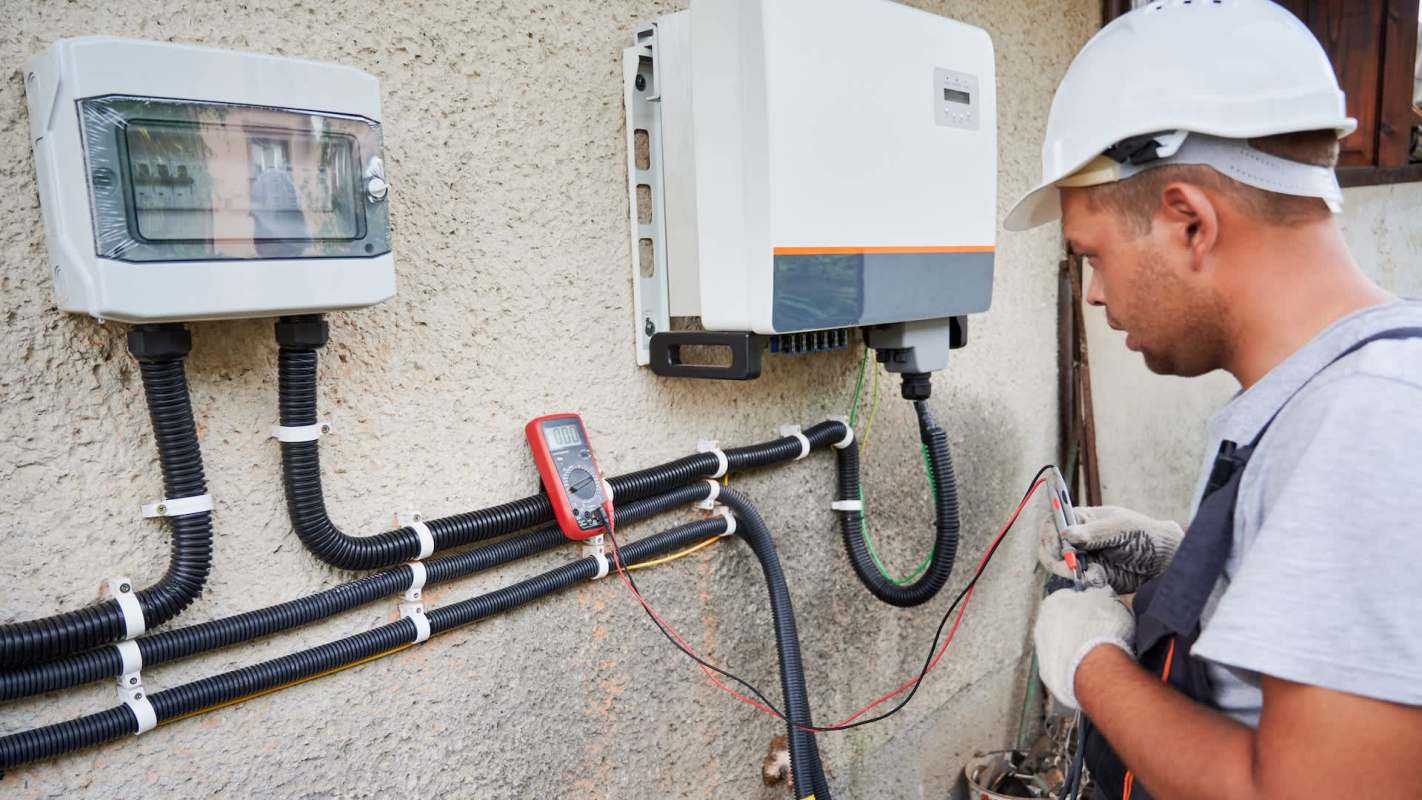
For many households, home batteries are becoming a standard energy upgrade rather than something reserved for backup during storm season.
In California, Texas, Hawaiʻi, and other high-cost electricity markets, homeowners are adopting them at a record pace to lower bills, get through outages, and gain more control over when and how they use electricity.
What's happening?
California, Hawaiʻi, Texas, and Arizona are among the states leading a surge in home battery installations, helped by policies that encourage storage.
The Energy Information Administration said U.S. homeowners installed a record 673 megawatts of battery capacity in the first quarter of 2026, as reported by TechSpot.
For homeowners curious about the shift, exploring EnergySage's free tools to compare home battery storage options and competitive installation estimates can be a smart first step.
EnergySage has teamed up with the electrification brand Qmerit to guarantee you get the best price on home battery storage solutions. Another option is Pila, which offers plug-and-play batteries priced at a fraction of what a whole-home backup system would cost.
Batteries let homeowners bank electricity when it costs less — often during sunny daytime hours — and use it later when utility rates climb. Paired with solar, battery storage can also help protect a home during outages, lower energy costs, and even move some families closer to off-grid living.
Why does it matter?
Increasing numbers of residential batteries are now being grouped into virtual power plants, allowing grid operators to manage large numbers of systems simultaneously and draw on them during times of heavy demand.
Crushed by your bills? See instant solar savings from vetted installers in just a few clicks With energy prices through the roof, there's never been a better time to go solar — and EasyHome can help you find the best prices from the best installers in your area. EasyHome takes the guesswork and headaches out of energy upgrades by showing you estimated savings from a network of vetted local partners. To get started, just enter your ZIP and share a few details about your home — seeing your estimate is really that easy. |

That setup can improve local resilience and reduce the need for expensive, polluting backup plants. Yale E360 reported that U.S. home battery capacity tied to virtual power plants increased 153% in 2025, and one demonstration showed that a fleet of 100,000 home batteries could produce more power than a traditional gas peaker plant.
With residential electricity prices in April more than 7% higher than they were a year earlier, according to the Energy Information Administration, shifting grid use to cheaper times can offer real savings.
Batteries can help blunt the impact of rising rates while keeping lights, refrigeration, and devices running during blackouts and severe weather.
What's being done?
Policies at the state level are a big reason installations are speeding up.
California now places greater value on electricity sent back to the grid after sunset, while Hawaiʻi offers a one-time $400 payment for each kilowatt of installed battery capacity.
As Ari Matusiak, founder and chief executive officer at Rewiring America, told Bloomberg, "You're seeing state policy demonstrate its importance."
Cosmo van Steenis, a solar and storage analyst at BloombergNEF, also pointed to those state incentives as a key driver.
He said, "The fact that California, Hawaii, Texas and Arizona are incentivizing battery adoption is the main reason for the trend."
Companies are also building business models around that momentum.
Austin-based Base Power offers lower-cost batteries and electricity in return for managing customers' systems within a virtual power plant.
Sunrun, Renew Home, and Tesla also announced plans to combine "hundreds of thousands of home battery systems" into what they described as "the largest distributed power plant in the country."
The change is also showing up in installer demand.
Martyna Kowalczyk, who runs the Dallas-based solar company Solartime, said, "Three years ago we would sell three batteries for 10 systems that we sold. Right now it's more like eight homeowners out of 10 are electing to do a battery."
As van Steenis put it, "And solar on its own is no longer as economic as it was."

Get TCD's free newsletters for easy tips, smart advice, and a chance to earn $5,000 toward home upgrades. To see more stories like this one, change your Google preferences here.






