


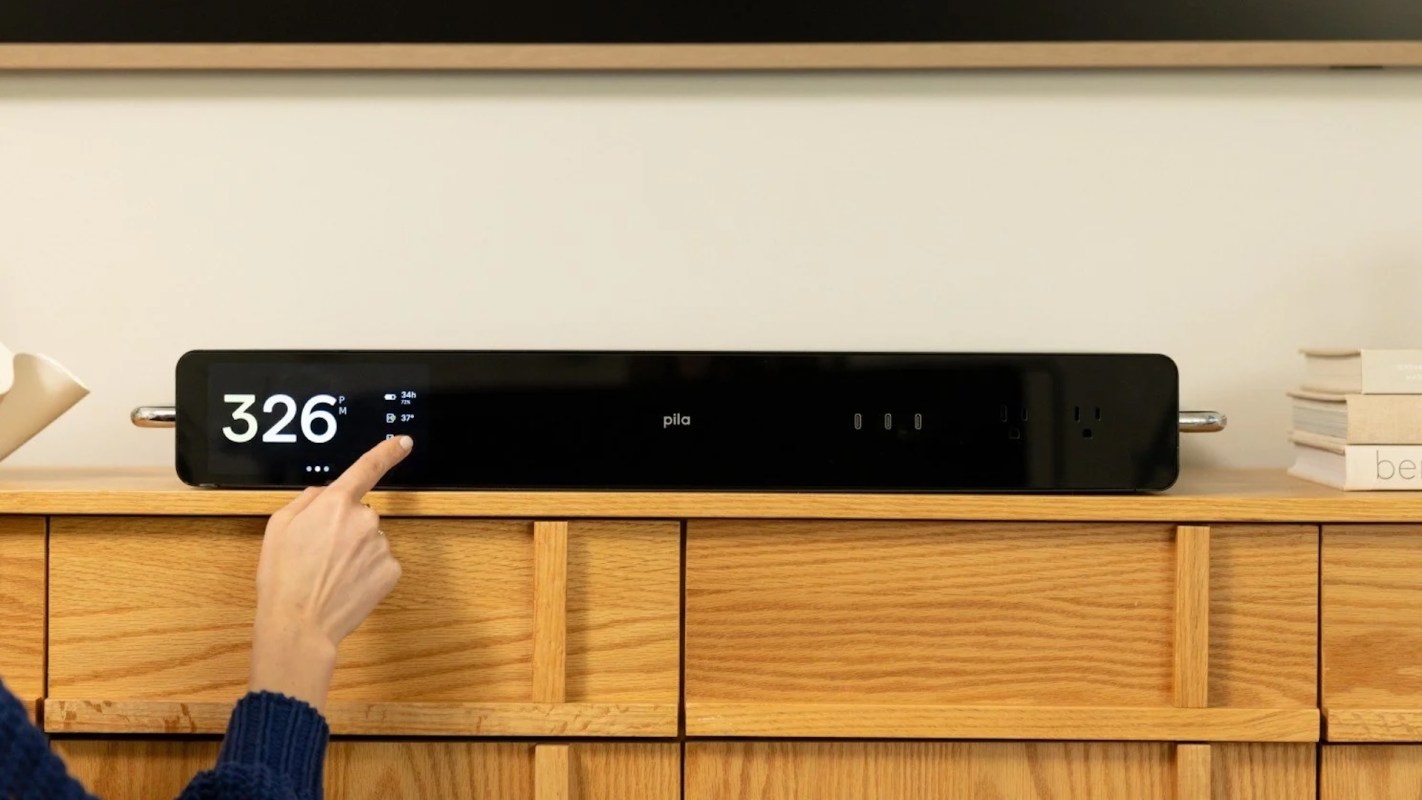
Home backup batteries could be on the verge of becoming mainstream in U.S. households, according to a new prediction from Pila Energy's Cole Ashman. Ashman said worsening grid instability across the United States could make 2026 the year home batteries shift from an optional upgrade to an essential home appliance.
In a blog post for Pila Energy, Ashman argued that repeated power outages, falling battery costs, and growing utility interest in distributed storage are all pushing home batteries into the spotlight.
The post highlighted a severe winter storm that left more than 1 million Americans without electricity across parts of the South, with many households dealing with spoiled food, freezing homes, and no way to keep phones charged during outages that stretched on for days.
Ashman described the situation in blunt terms.
"America's power grid is buckling under extreme weather and decades of underinvestment," he wrote.
The bigger concern is that outages are not isolated events.
Ashman reported data showing the average U.S. outage grew from 8.1 hours in 2022 to 12.8 hours in 2025, while weather-driven grid failures were 64% higher than in the prior decade. He also referenced a Department of Energy warning that, without major intervention, blackouts could rise sharply by 2030.
Luckily, public officials, utility providers, and battery companies like Pila are working to find solutions for the grid crisis. Unlike traditional whole-home batteries that can cost upward of $15,000, Pila's Mesh Battery is the size of a briefcase and offers enough power for vital appliances at a fraction of the cost.
Save $10,000 on solar panels without even sharing your phone number Want to go solar but not sure who to trust? EnergySage has your back with free and transparent quotes from fully vetted providers in your area. To get started, just answer a few questions about your home — no phone number required. Within a day or two, EnergySage will email you the best options for your needs, and their expert advisers can help you compare quotes and pick a winner. Solar panels can save you more than $50k over their 25-year lifespan, and EnergySage can help you save as much as $10k on installation. Which begs the question — isn't that worth an email or two? |

That matters for consumers because losing power is no longer just an inconvenience. It can mean hundreds of dollars in spoiled groceries, lost work hours for remote employees, and households left without heat or internet when they need it most.
Ashman compared this moment to the boom in air purifiers early in the COVID-19 pandemic, when a once-niche product quickly became a must-have for many families.
His argument was that people do not adopt new home tech simply because it is innovative. They adopt it when a recurring problem starts affecting quality of life, and there is finally a practical solution.
Cost is also a major part of the shift.
According to Ashman's post, battery cells now cost about one-fifth of what they did a decade ago, helping move home energy storage closer to the mass market. At the same time, companies are rolling out smaller and more modular systems, like the Mesh Battery, that do not require the expensive rewiring and installation often associated with traditional whole-home batteries.
For years, backup batteries have been treated like major renovation projects, with large upfront costs putting them out of reach for many families. A modular approach could make them more appealing to homeowners and renters alike who want to keep essentials such as refrigerators, routers, lights, and phones running during outages without committing to a full-home system.
If Ashman's comments have you curious about a home battery backup, check out Pila's units. Because the unit is plug-and-play and requires no complex installation, homeowners and renters can use it to take control of their home's energy.
Plus, you only need one Pila battery to start protecting your vital appliances from outages.
In one of the clearest takeaways from the post, Ashman wrote: "In 2026, we can't control when the next storm hits, but we can control whether we're left in the dark."

Get TCD's free newsletters for easy tips, smart advice, and a chance to earn $5,000 toward home upgrades. To see more stories like this one, change your Google preferences here.






