


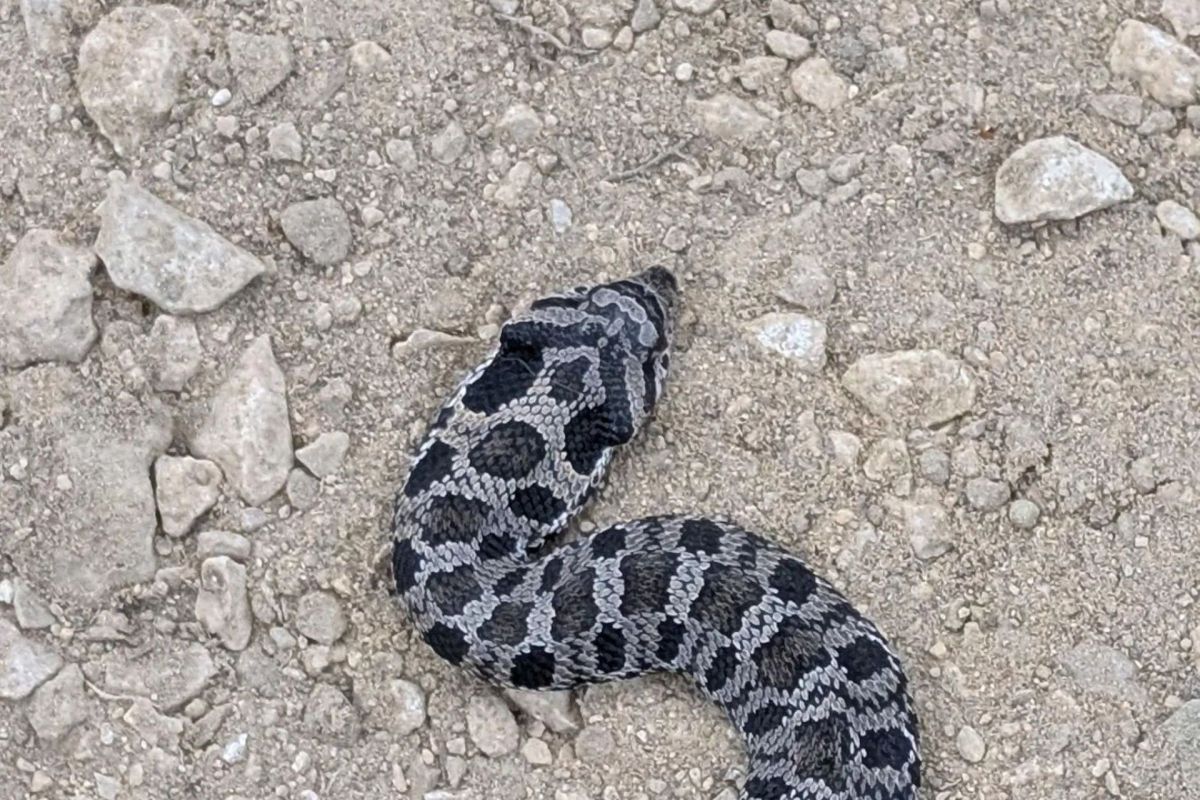
One person's encounter with wildlife is drawing attention to what may be nature's most misunderstood animal: the hognose snake.
A user shared on Reddit photos of a hognose snake they ran into in their backyard that was friendly enough to crawl on their hand, showing how people can connect to wild animals even when close to home.
What's happening?
In the r/herpetology forum, the original poster uploaded close-up images of the reptile. The photos drew attention to a creature that may often cause fear but that looks quite cute.
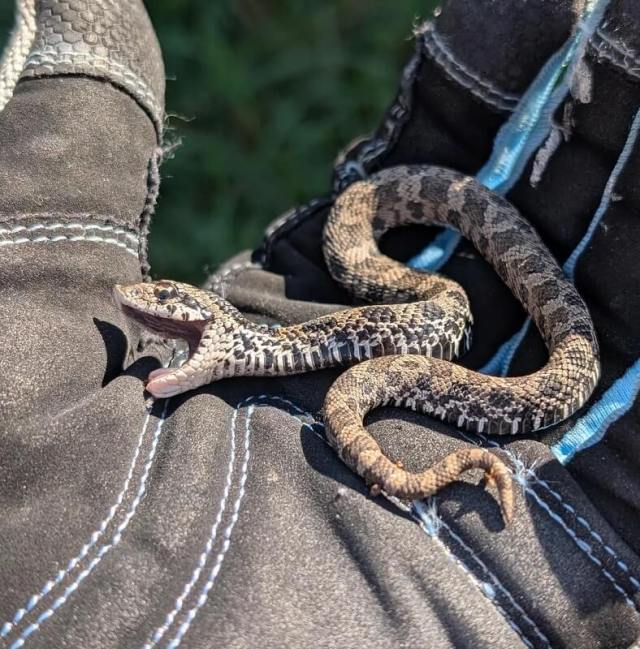
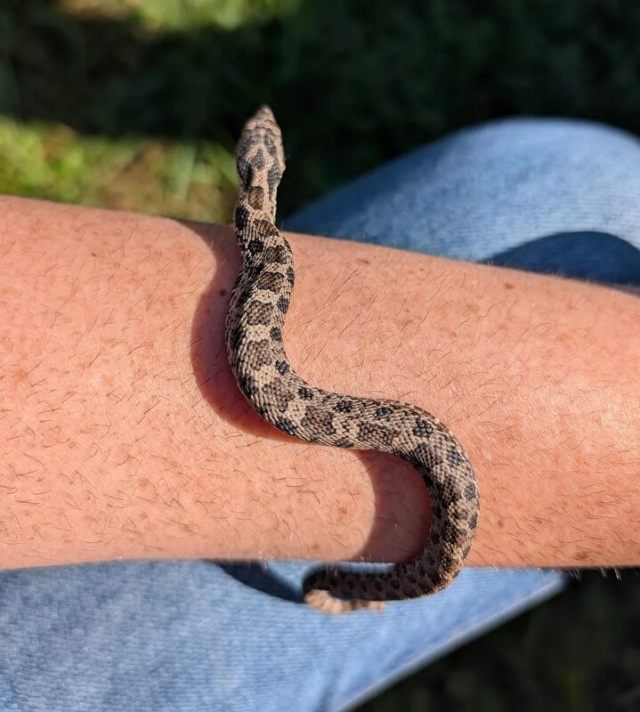
"Spent some time with this ADORABLE hognose snake in my yard a few days ago," they wrote. "It puffed up and hissed at me, and when that didn't work it did the dying act. It eventually got used to me and climbed around on my leg, etc., for a bit."
Commenters expressed affection toward this charming animal and made many humorous jokes about snakes. "You're lucky to have survived an encounter with such a ferocious serpent," one user satirically stated. Another commented, "Such a cute dramatic noodle."
"Yep, that's definitely a dead snake. You can tell by the tongue sticking out sideways. No arguments from me, little noodle," someone else quipped.
TCD Picks » Quince Spotlight
💡These best-sellers from Quince deliver affordable, sustainable luxury for all




Hognose snakes are known for their distinctive upturned snouts and dramatic behavior. Depending on the species, they may flatten their necks, hiss, or even play dead when threatened. While those displays can look intimidating, they are generally defensive rather than aggressive.
As human development continues to expand into natural habitats, seemingly more people are encountering wildlife in neighborhoods, parks, and along roads. A snake sighting that might once have happened deep in the wild is increasingly becoming part of everyday life for homeowners, hikers, and drivers.
Why does it matter?
Snakes are among the animals people fear most, and that fear can have consequences. Misidentification often leads people to kill snakes that pose little danger, even though those animals play an important role in local ecosystems.
Encounters such as this also reflect a broader human-caused shift. As the BBC has reported, wildlife conflict is often linked to habitat loss, land-use change, and the ways humans reshape the spaces animals rely on; many "surprising" animal encounters are not random at all.
Learning which animals live nearby can eliminate panic, keep children and pets safe, and prevent harmful reactions driven by misinformation. A calm response is usually better for both people and wildlife.
What can I do?
Give wild snakes space. If you spot one in a yard, on a trail, or near your home, avoid trying to touch, trap, or kill it. Most snakes will move along on their own if left undisturbed.
It can also help to make outdoor spaces less likely to create conflict. Supervising pets, watching your step in brushy areas, and reducing clutter where animals may hide can lower the chances of a tense encounter. If a snake gets into a garage, shed, or house, calling a local wildlife professional is the safest option.
Social media photos and posts that show seemingly dangerous wildlife in a different light can shift public attitudes. That kind of change will remain important as humans continue pushing into natural areas and sharing space with animals they do not fully understand.
Another Redditor summed up the snake's comical actions, writing: "Their personalities are so great. 'Ahh, I'm big and scary, watch out, I kill you' to 'and now I'm dead don't eat me' lol."

Get TCD's free newsletters for easy tips, smart advice, and a chance to earn $5,000 toward home upgrades. To see more stories like this one, change your Google preferences here.






