


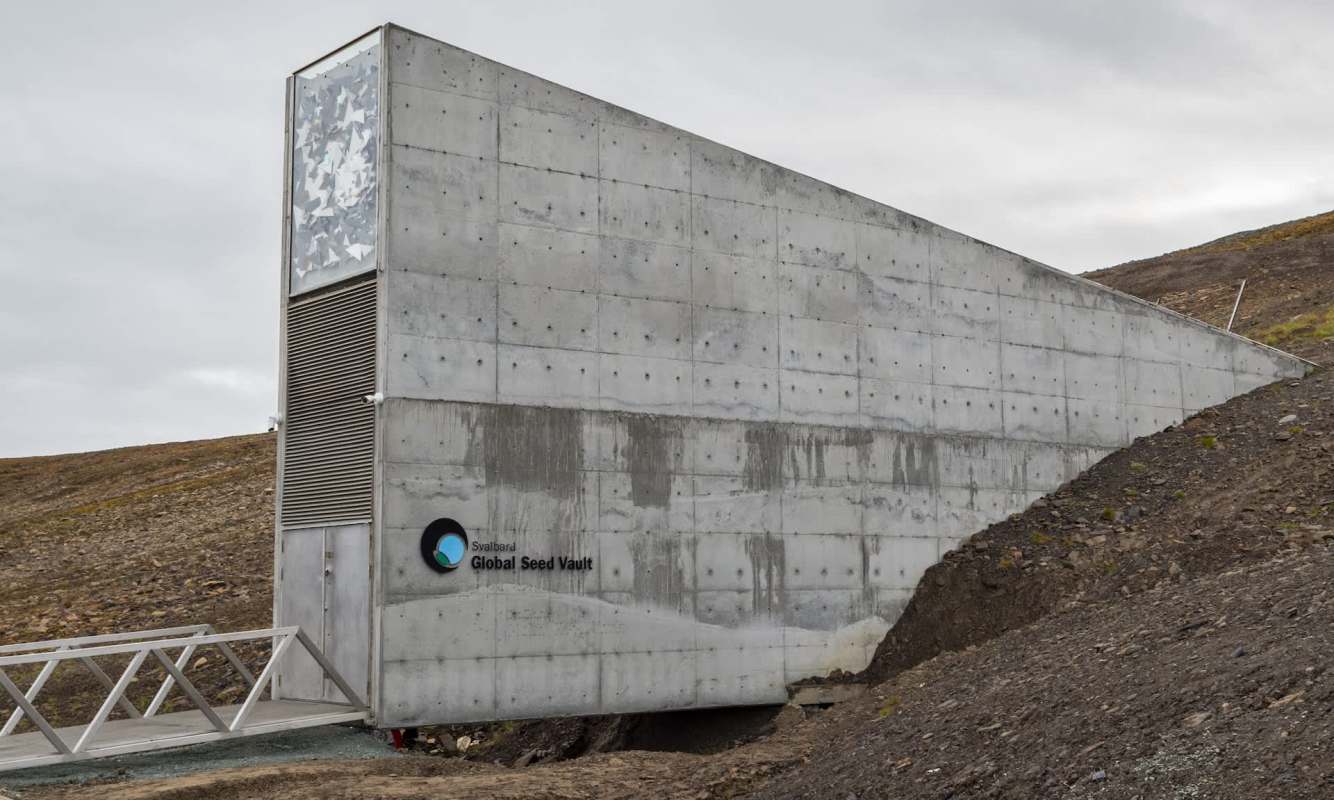
People often point to Norway's Svalbard Global Seed Vault as a safeguard for future crops. Yet researchers say the planet already contains a much bigger cache of seeds, spread through soils around the world.
That underground storehouse could prove critical in helping ecosystems recover after disruption and in protecting the crops, landscapes, and food systems people rely on every day.
Here's what to know
According to ScienceAlert, the analysis drew on a worldwide soil-seed database covering 3,096 sample records from 94 countries on all seven continents, with about 1,400 studies tallying millions of seeds and seedlings.
In findings published in Nature Communications, the researchers estimated that land, wetland, and aquatic habitats contain an average of more than 5,000 buried seeds in every 10.8 square feet (1 square meter). The study was led by ecologists Alistair Auffret of the Swedish University of Agricultural Sciences and Emma Ladouceur of the University of Prince Edward Island in Canada.
By volume, that makes the soil seed bank much bigger than any vault built by humans. But the researchers found an important tradeoff: areas with many plant species did not always hold especially large numbers of seeds, while places with very dense seed stores often showed lower diversity.
That contrast showed up across ecosystems, with tropical environments generally having high species richness but lower seed density, whereas arable farmland tended to have the opposite.
TCD Picks » Quince Spotlight
💡These best-sellers from Quince deliver affordable, sustainable luxury for all




More background
Soil seed banks are part of nature's recovery system. After floods, extreme weather, and other disasters strip away plant life on the surface, seeds already stored in the soil can help green life return without people having to start the process from scratch.
Healthy plant communities support food production, reduce erosion, help protect water systems, and create more stable landscapes for both people and wildlife. The seeds hidden underground are closely tied to the resilience of farms, forests, wetlands, and other environments communities depend on.
This seed reserve doesn't come from the kind of human effort used at Svalbard. Instead, it forms naturally over time as seeds drop to the ground, are carried by wind or floodwater, or accumulate in leaf litter.
Seed-bank richness was higher in undisturbed habitats than in degraded ones, suggesting human activity may be weakening this natural reserve at the very moment ecosystems may need it most.
What's being done?
Scientists now have a global benchmark for understanding the scale of the soil seed bank. That gives restoration planners, farmers, and conservation groups better information about where natural recovery may be effective and where damaged land may require more active intervention.
The findings also reinforce the importance of protecting intact habitats before biodiversity is lost. If degraded landscapes contain fewer seed types, communities may not be able to rely on passive recovery alone after storms, drought, or other disruptions.
Human-built seed banks still play an important role. Facilities such as Svalbard remain a critical insurance policy for crop diversity, while this new research points to the need to also protect the living seed reserves already embedded in ecosystems.
The study shows both the immense scale and the fragility of this underground resource. As the researchers wrote, "In the broadest sense, if you put your finger to the earth, you are likely to be pointing at a seed."
Where can I learn more?
Hidden seed reserves in soil are a factor in the fight to keep food systems resilient as climate and land use pressures grow. Human efforts are another factor. From Indigenous seed stewardship to new farming research, these examples show how communities, scientists, and growers are working to protect crop diversity and keep harvests on steadier footing.
• In Peru's Potato Park, Indigenous communities use ancient methods to protect seed diversity.
• Indoor farms are using sensor-guided crop modeling to stabilize harvests.
• Scientists have unveiled a nitrogen-saving wheat farming technique that could increase harvests with less fertilizer.
Safeguarding plants happens in many places, from seeds stored in the ground to crops managed in fields and research plots. In all these cases, protecting seed diversity before the next disruption matters.

Get TCD's free newsletters for easy tips, smart advice, and a chance to earn $5,000 toward home upgrades. To see more stories like this one, change your Google preferences here.






