


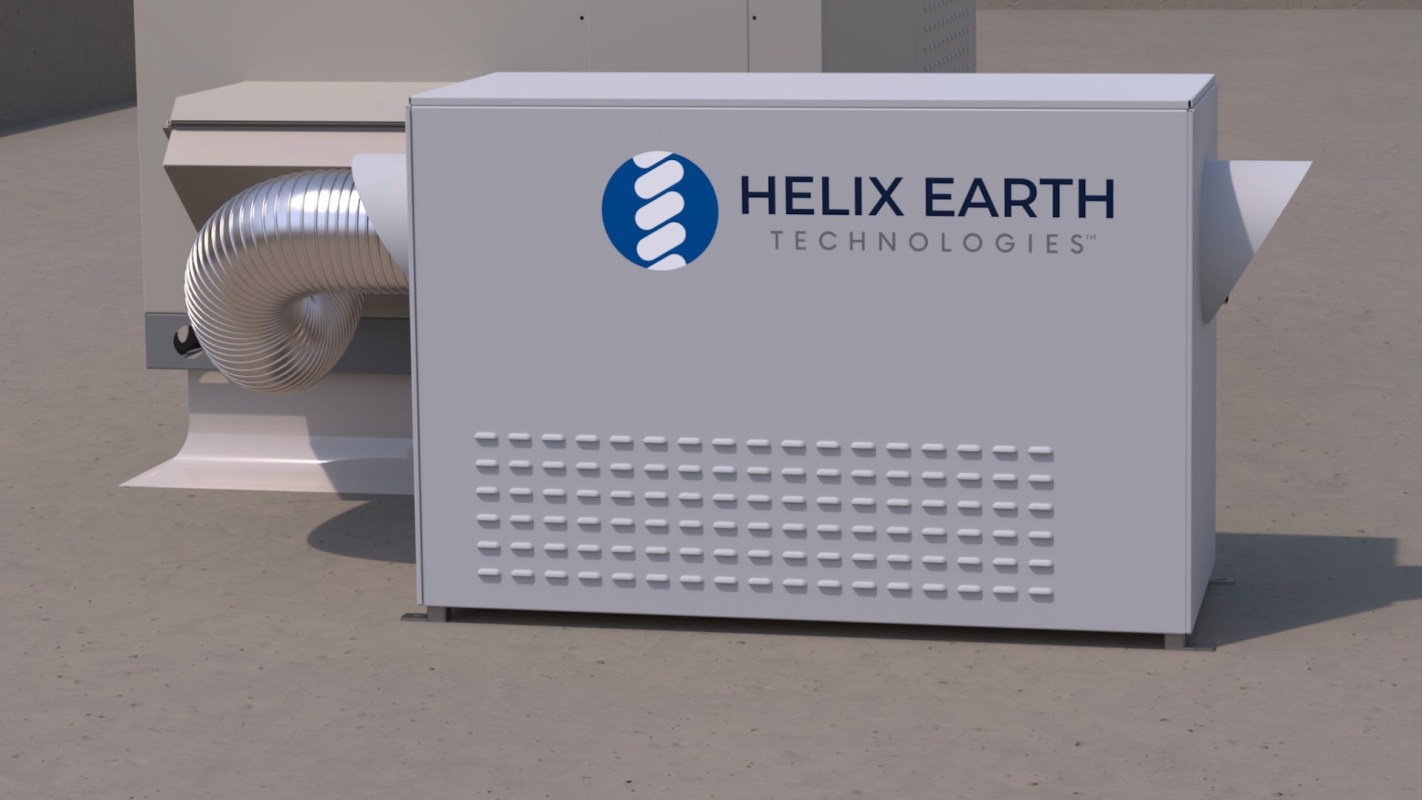
A revolutionary new technology developed by scientists to be used in outer space now aims to help reduce energy usage and costs down here on Earth.
The technology, developed by Helix Earth Technologies, was originally created by company CEO Rawand Rasheed at NASA to filter air on spacecraft.
Called Helix Micra, the device is an air dehumidification system that Rasheed said is six to eight times more efficient than other commercially available technology. Installed in AC units, it would lower energy needs by 50%.
What's more about the new technology is its ease in scalability for commercial production thanks to its ability to be produced by 3D printers. According to Rasheed, the device can also be made using recycled materials, reducing production costs compared to other commercially available technology by three to five times.
Even better, the device can easily be installed into any rooftop or outdoor AC unit within a day.
With the highly efficient Helix Micra dehumidifying technology, Rasheed and his team hope to have a major impact on reducing costs associated with AC that impact both people's wallets and the environment. Interesting Engineering noted that the company believes the device "will pay for itself within three years."
TCD Picks » Quince Spotlight
💡These best-sellers from Quince deliver affordable, sustainable luxury for all




AC units are known to be energy hogs. They require energy to both cool and dehumidify the air to work properly, but as the relative humidity of air surpasses about 20% (according to a chart Rasheed used in a video explanation), technology to dehumidify air is forced to work harder. In other words, the higher the humidity, the more energy that is required to power the unit.
In the AC industry, this extra energy usage is known as the latent load and has been accepted as a necessary cost of AC unit operation. As another unfortunate side effect, higher latent loads intensify wear and tear on AC units, making them more likely to need repairs or break down, resulting in even more costs.
In addition to costly repairs, higher energy use puts unnecessary strain on the wallets of customers.
According to the U.S. Energy Information Administration, electricity use for AC accounted for approximately 19% of electricity use in the average U.S. household in 2020. About $1,000 is spent by the average homeowner every year to maintain a cool home.
Cooling is also a major factor in global warming. The more energy that is used for AC, the more heat-trapping gases are emitted into the atmosphere, and the more the planet is warmed — which then results in more AC being used in a dangerous, cumulative loop.
The Helix Micra is among many new, solutions-oriented technological advances aimed at reducing household carbon footprints and reducing dangerous planet-warming lifestyles.
While the Helix Micra isn't commercially available yet, Helix Earth Technologies hopes to expand the technology's availability starting in Texas.
In the meantime, check out The Cool Down's guide on lowering your utility bills for information on energy and cost-saving home upgrades that are already commercially available.

Join our free newsletter for weekly updates on the latest innovations improving our lives and shaping our future, and don't miss this cool list of easy ways to help yourself while helping the planet.






