


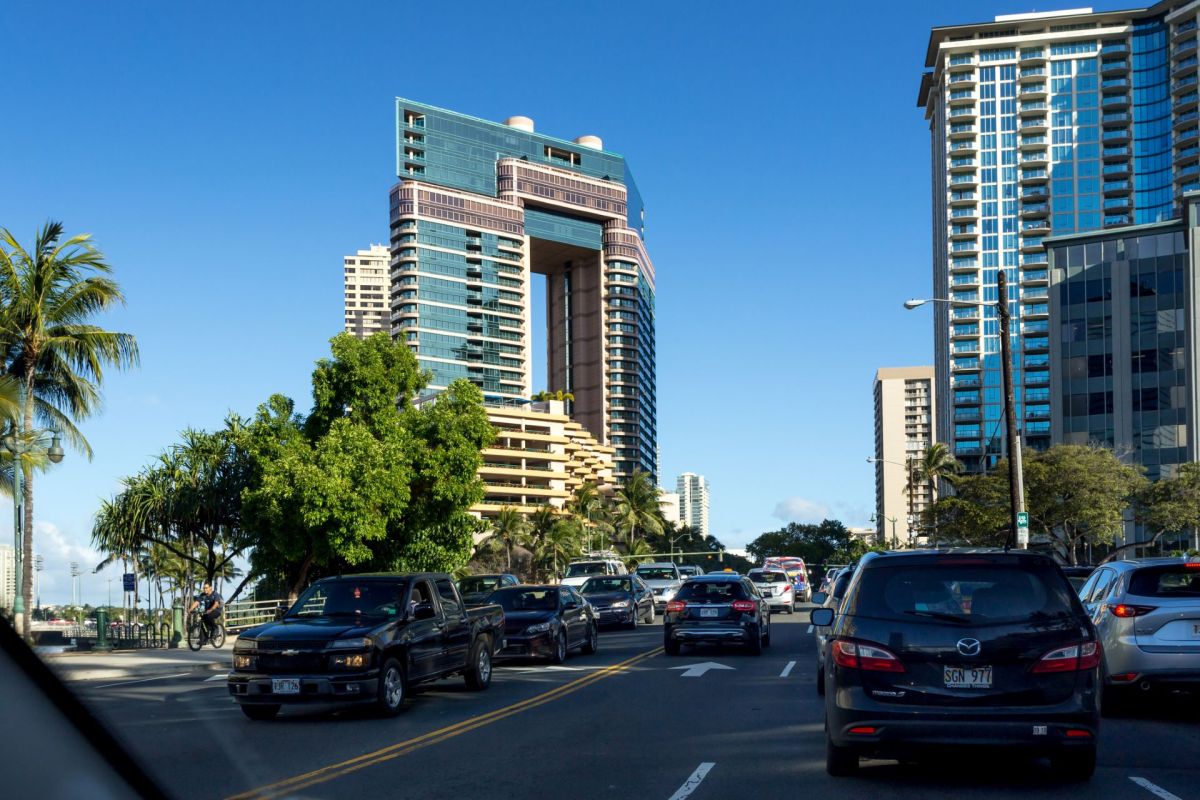
Hawaiʻi is taking aim at one of the toughest parts of its climate footprint: transportation. Gov. Josh Green has signed a new clean fuel law that puts the state on track to cut transportation pollution to 50% below 2019 levels by 2045.
What happened?
As Hawaii News Now reported, Senate Bill 2999 creates a Hawaiʻi Department of Transportation-run system that awards credits to lower-emission fuels and assigns deficits to fuels with higher carbon intensity.
The rollout is staggered, with alternative fuels scheduled to come under the standard by Jan. 1, 2028, and diesel and gasoline by Jan. 1, 2029.
By 2035, the plan must bring transportation fuel carbon intensity to at least 10% below 2019 levels, and by 2045 to 50% below that baseline. To reach those marks, the department has to set lifecycle pollution-reduction benchmarks as part of a phased strategy.
For state Sen. Chris Lee, who introduced the bill, the measure is "a huge opportunity to create new reinvestment in lower-cost, cleaner transportation options for local residents, using a model already proven in other states."
Why does it matter?
Transportation is a major source of planet-warming pollution, so policies that lower the carbon intensity of fuel can have an outsized effect. In Hawaiʻi, it also has implications for local air quality, energy resilience, and the cost of moving people and goods around the islands.
TCD Picks » Quince Spotlight
💡These best-sellers from Quince deliver affordable, sustainable luxury for all




State officials also describe the policy as a way to grow in-state industry. By expanding the market for renewable fuels and materials made in Hawaiʻi, they say, the law could support local agriculture and renewable energy businesses.
Some of those fuel pathways use waste products as energy sources, offering the possibility of reducing waste while also cleaning up transportation. Rather than relying on a single technology or fuel source, the credit-and-deficit structure is designed to reward whichever lower-carbon options perform best.
What's being done?
The Hawaiʻi Department of Transportation must now turn the law into an operational program by setting rules for full-lifecycle fuel emissions and establishing benchmarks that providers will have to meet over time. The law phases in over several years.
Officials say the law could create more demand for renewable fuels and materials produced in Hawaiʻi while keeping more economic activity in the state.
"A resilient Hawaiʻi is defined by sustainable systems," said Green. "We saw in our … waste reduction report that clean fuels is the biggest opportunity for us to remove emissions from our environment," said Hawaiʻi transportation director Ed Sniffen, adding, "and we're going to be working hard on that."

Get TCD's free newsletters for easy tips, smart advice, and a chance to earn $5,000 toward home upgrades. To see more stories like this one, change your Google preferences here.






