


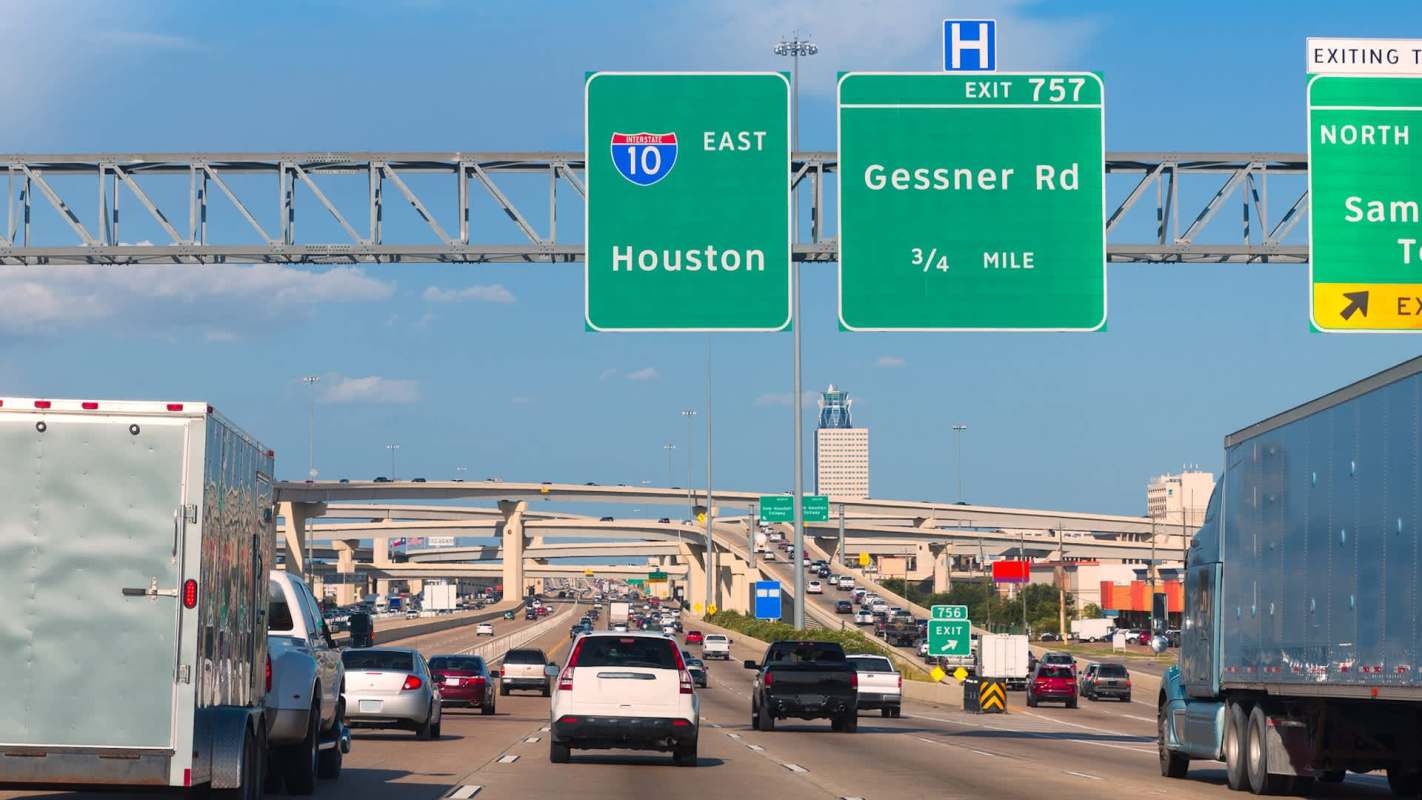
Houston may soon face tighter air-pollution oversight because a federal judge said the U.S. Environmental Protection Agency has to carry out its stricter soot standards.
For people in Harris County — the most populous county in Texas, with Houston as its county seat — the decision could turn years of poor air-quality readings into required action by state and federal officials.
What happened?
A lawsuit from environmental advocates and several public agencies, including Harris County, led to a July ruling that requires the EPA to apply tougher limits for PM2.5.
As Houston Public Media reported, PM2.5 is made up of tiny bits of dust, smoke, and soot that can settle deep in our lungs and bloodstream.
The Biden administration lowered the PM2.5 limit from 12 micrograms per cubic meter to 9 micrograms. EPA data shows Harris County averaged 12.8 micrograms per cubic meter between 2023 and 2025, which is above both benchmarks.
Even so, the Houston area has not yet been formally labeled a "nonattainment area" under the tighter rule. The court ordered the EPA to make those designations by February 2027.
TCD Picks » Quince Spotlight
💡These best-sellers from Quince deliver affordable, sustainable luxury for all




Interim Harris County Attorney Abbie Kamin told Houston Public Media, "Under the Clean Air Act, EPA has to set certain standards for particles, including soot. And what was happening was EPA wasn't enforcing its own rules."
Why does it matter?
PM2.5 is associated with major health problems, including heart disease and respiratory illness. In a place surrounded by highways, industrial operations, and facilities like concrete batch plants, those effects can weigh most heavily on communities that already deal with persistent dirty air.
When soot levels rise, asthma can get worse, emergency room visits can climb, and spending time outside can become riskier, especially for children, older adults, and people with existing health conditions.
Houston Public Media reported that the EPA estimated its stricter 2024 soot rule would save up to 4,500 lives, prevent 290,000 lost workdays, and deliver about $46 billion in health benefits by 2032.
If Harris County is officially determined to be out of compliance, Texas would have to come up with a plan to reduce pollution.
What's being done?
At the moment, the court ruling is the main development. After the EPA didn't move ahead with required nonattainment designations, the decision reimposed a deadline. The agency said in a statement that it's reviewing the ruling.
A noncompliance designation for Harris County would force state environmental regulators to put together a pollution-cutting plan. That could bring tighter limits on industrial emissions, more scrutiny for heavily polluting facilities, and added pressure to reduce transportation-related and other emissions.
"We know that Houston and Harris County have some of the worst air quality in the nation," Kamin said. "Under the Clean Air Act, EPA has to set certain standards for particles, including soot."

Get TCD's free newsletters for easy tips, smart advice, and a chance to earn $5,000 toward home upgrades. To see more stories like this one, change your Google preferences here.






