


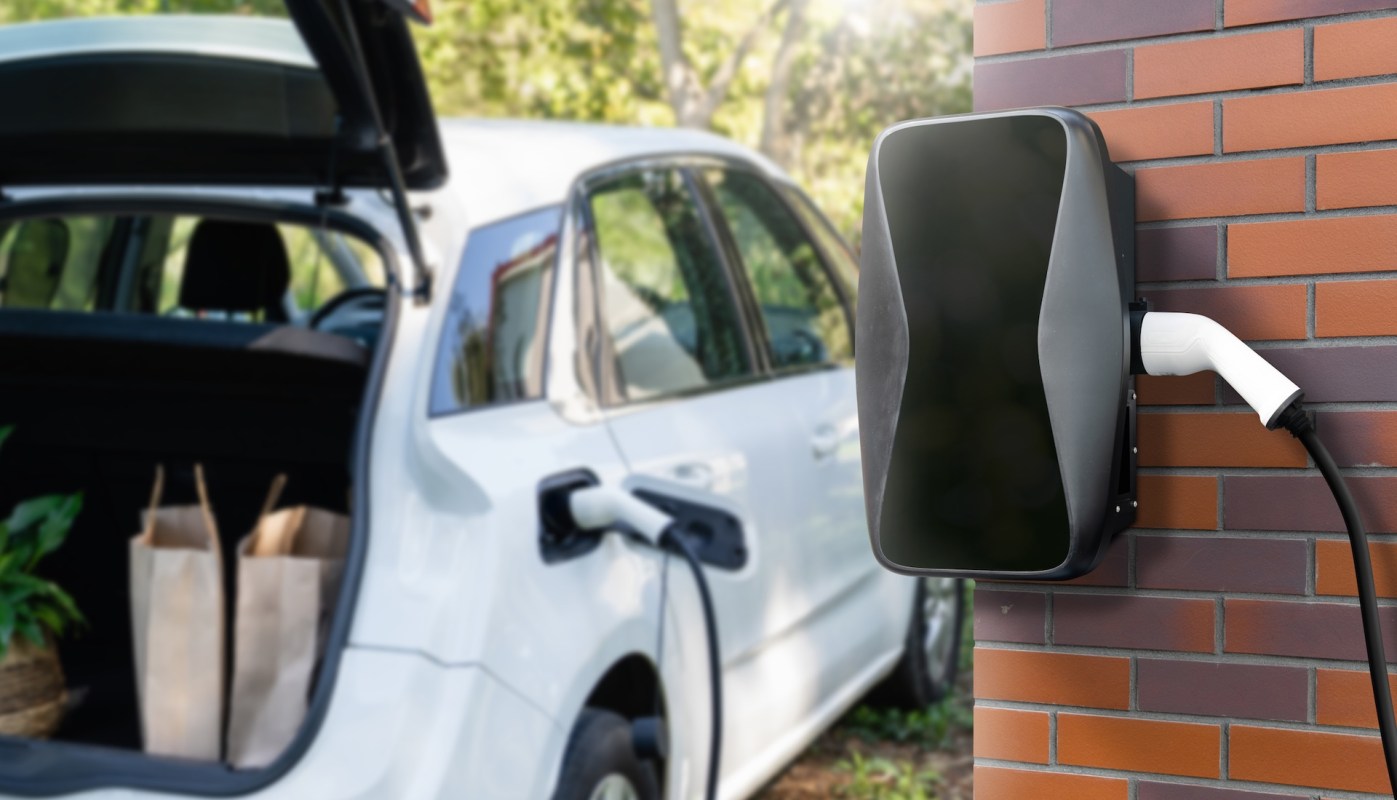
A terraced home without a driveway would normally be refused by this Hampshire, England-based electrician, but some prep work by the homeowner made him rethink his stance.
The homeowner obtained permission from the estate management company, and the electrician consulted his insurer before starting.
Here's what to know
A small area near the house offers parking on the quiet private estate, but the property has no off-street space. In a YouTube video, a content creator with SOTA Electrical documented installing an untethered charger, which requires the homeowner to connect a separate charging cable.
A signed acknowledgment recorded the homeowner's responsibilities. The electrician, who introduced himself as Adam, said the estate management company had directed the customer to follow Hampshire County Council's advice for households charging without a driveway.
Adam's work included installing the fixed charging equipment at the property, testing it, and certifying it. His discussion with his insurer focused on clarifying where his responsibility for that installation stopped.
"I'm not supplying or installing anything across the footpath, and the homeowner is responsible for ensuring any future charging arrangement complies with the relevant permissions, guidance and safety requirements," he explained.
TCD Picks » Quince Spotlight
💡These best-sellers from Quince deliver affordable, sustainable luxury for all




More background
Existing pipework complicated the route between the front wall and the electrical equipment beneath the stairs. The cable had to pass through a downstairs toilet and hallway without damaging those pipes.
A planned toilet renovation gave Adam more flexibility to open up a cable route. After removing trim and sections of pipe boxing, he used rods to feed the cable beneath the stairs.
An existing split-load consumer unit is already installed to protect against electrical faults, but Adam explained that an EV charger could not share it. He therefore installed a separate consumer unit.
What's being done?
Adam said the customer would remain responsible for tracking changes to the rules.
Adam protected the cable with trunking and sealant. As the video shows, the new consumer unit included a main switch, surge protection, and a double-pole protective device.
An internet outage at the customer's home meant Adam would have to return to connect the charger. He had mounted the untethered unit outside and completed the electrical testing with an EV testing adapter.
The homeowners also hoped to have a cable gully fitted in the future, Adam said.
"Until the councils make the curb channels cheaper and respond to applications within a responsible timeframe (3 months on my last job) this will become common practice!" one viewer wrote.
Where can I learn more?
Planning a home charger installation can mean sorting out electrical capacity, permissions, and insurance, as well as where the cable will run. These stories follow homeowners as they navigate charger quotes, permit requirements, and coverage for home energy equipment.
• A UK homeowner questioned solar and battery insurance and learned faulty work might lack coverage.
• An EV driver facing a $10,000 charging quote learned a 100-amp panel might suffice.
• A townhouse buyer sought electricians' input on charging with an existing 100-amp electrical service.
• An Indiana homeowner seeking an EV charger permit was told installation would never be inspected.
• A California homeowner received a $9,000 charger quote before learning panel upgrades might be unnecessary.

Get TCD's free newsletters for easy tips, smart advice, and a chance to earn $5,000 toward home upgrades. To see more stories like this one, change your Google preferences here.






