


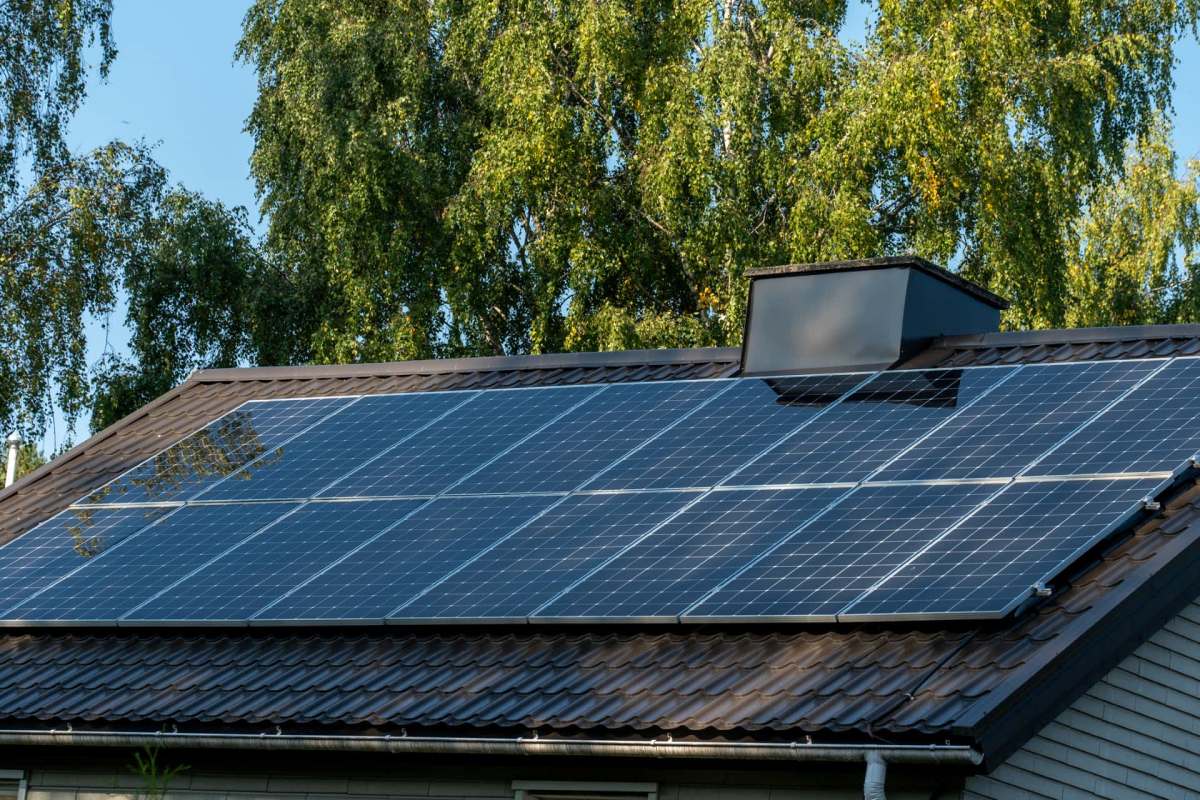
A Virginia effort to pair affordable housing with rooftop solar has hit a notable benchmark.
According to WHSV, Habitat for Humanity Virginia and GiveSolar have now brought solar to 100 homes statewide, with 20 of those installations in Harrisonburg and Rockingham County.
What happened?
GiveSolar was founded by Jeff Heie in 2018 to help nonprofits use solar energy to reduce operating expenses.
In 2020, the work reached Habitat for Humanity projects in the Shenandoah Valley, and Broadway became the location of the first pilot installation.
Heie, who leads the Habitat for Humanity Solar Collaborative, said partners later organized a solar seed fund in 2021.
"By September of that year, we had raised — we overshot our goal — raised $127,000," Heie said, per WHSV.
The money was intended to cover 20 systems, and the last of those installations has now been finished.
Ashland was the site of the celebration for the 100th installation statewide, and First Gentleman Adam Spanberger attended.
Save $10,000 on solar panels without even sharing your phone number Want to go solar but not sure who to trust? EnergySage has your back with free and transparent quotes from fully vetted providers that can help you save as much as $10k on installation. To get started, just answer a few questions about your home — no phone number required. Within a day or two, EnergySage will email you the best local options for your needs, and their expert advisers can help you compare quotes and pick a winner. |

Heie said Spanberger "lifted all 12 panels from the ground up to the roof" alongside volunteers and installers.
For homeowners beyond Habitat builds, going solar is one of the best ways to save money on home energy. If you're curious about costs, you can explore EnergySage to get quick solar installation estimates and compare quotes.
Why does it matter?
Participating Habitat homes receive 12 panels producing about 5 kilowatts of power, which lowers electricity costs by roughly $72 per month and adds up to an estimated $25,000 to $40,000 in savings over 25 years.
Central Valley Habitat for Humanity executive director Shannon Porter said utility costs are a major part of housing affordability: "In the last five years, the cost of electricity has gone up 30%. And when you're trying to make your life work, the cost of housing isn't just the cost of rent or mortgage, it's also your utilities."
More From EnergySage
💡Go deep on the latest news and trends shaping the residential solar landscape
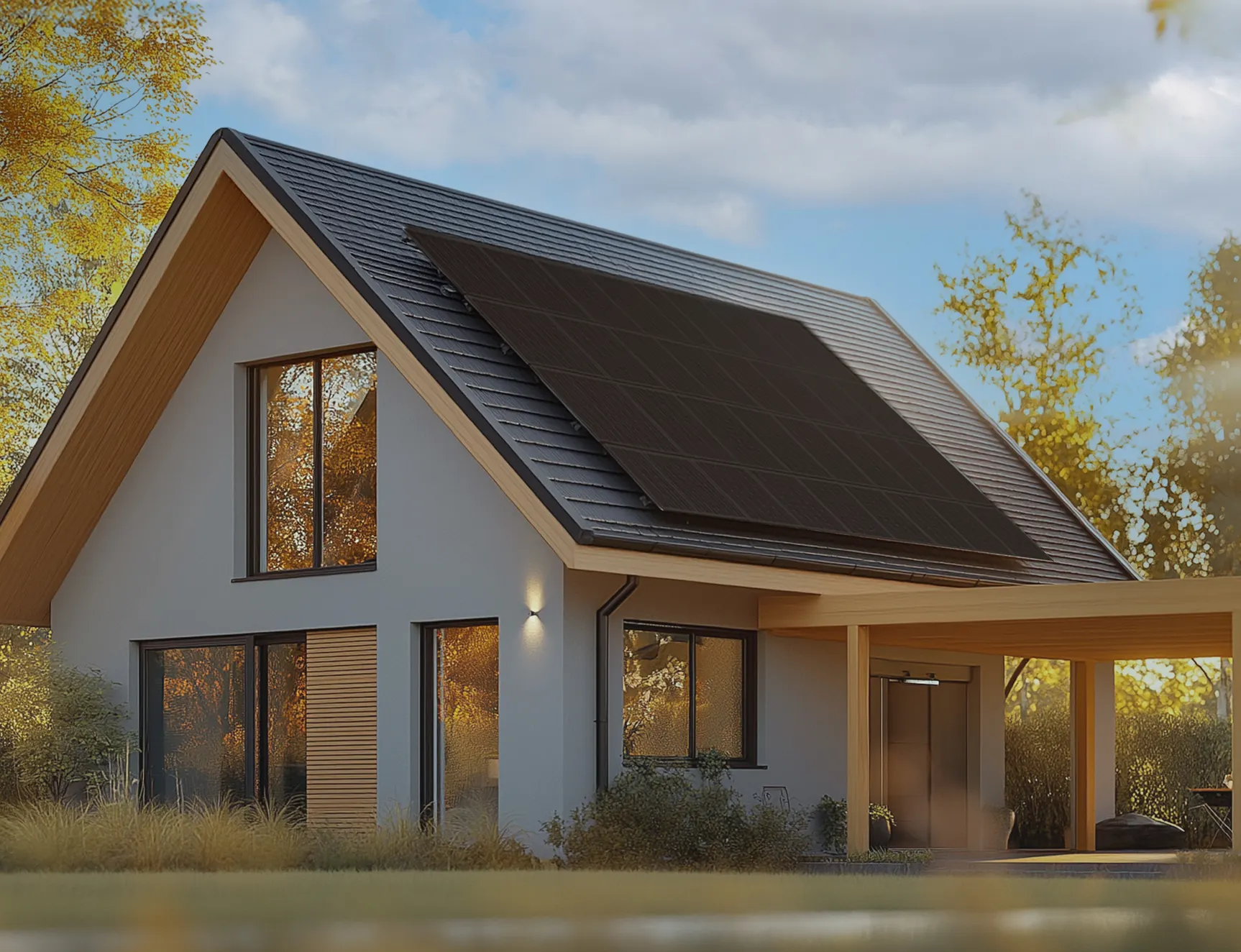
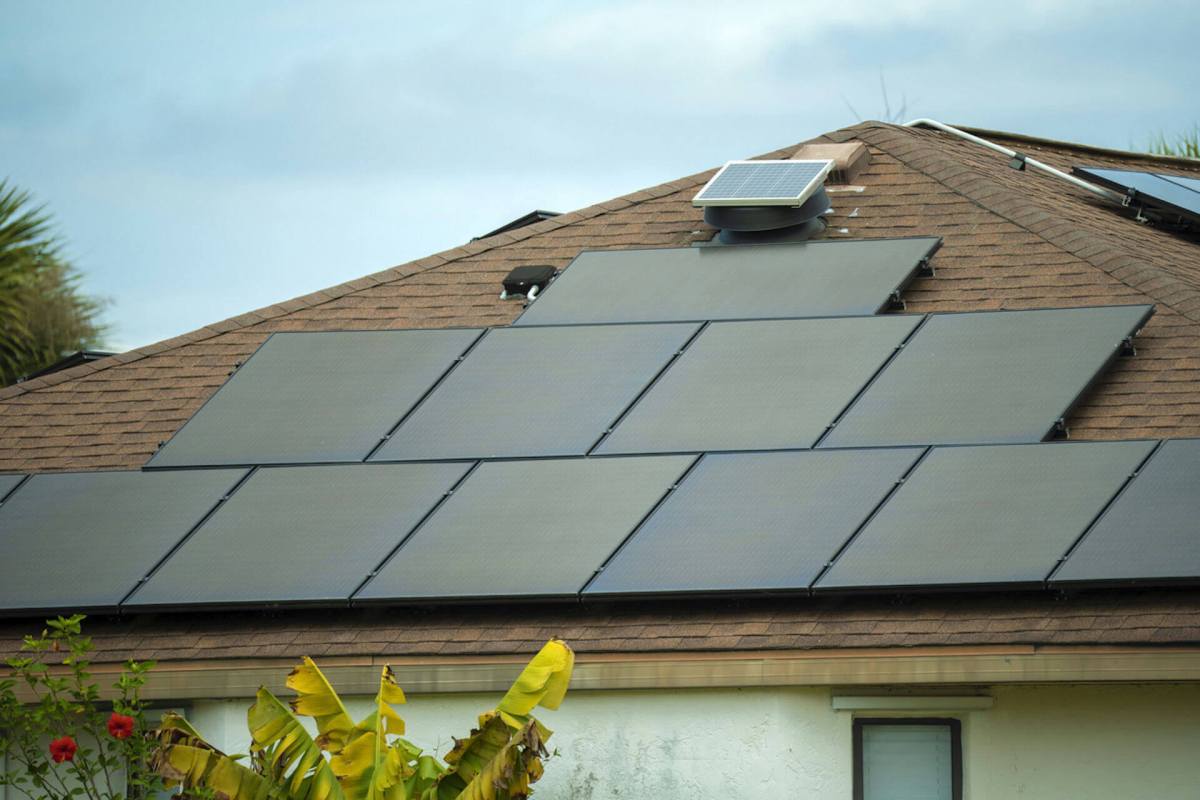
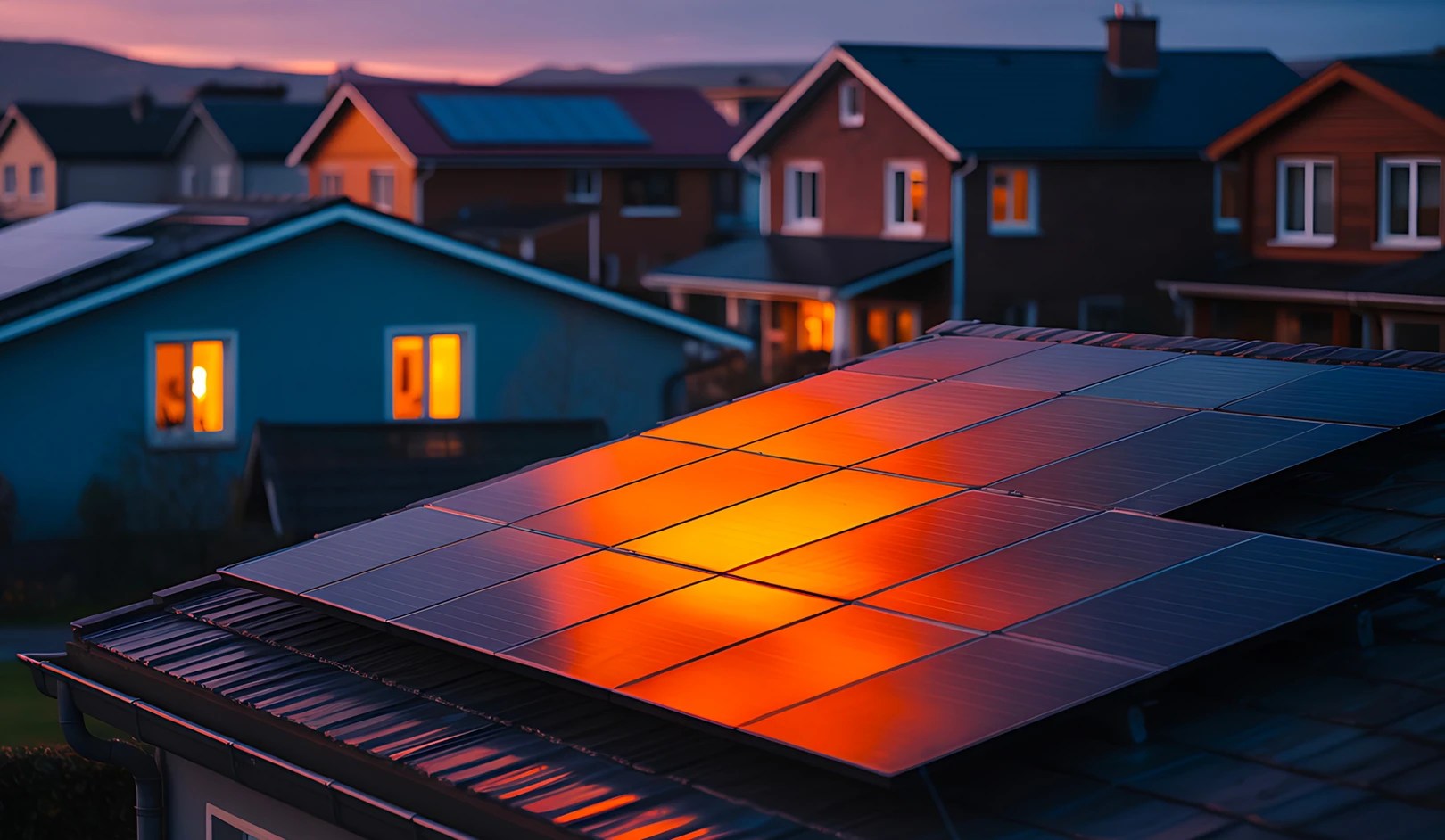

Heie said one Harrisonburg cul-de-sac now has solar on every Habitat home, leaving each family with at least $70 a month for "basic essentials like food and clothing and medical care and things like that."
What's being done?
Porter said Central Valley Habitat now treats solar as a standard feature in its home plans.
"All of our homes, every design that we do moving forward, has a solar component to it. We're already pre-wiring the homes so we can work with solar," Porter said.
Habitat for Humanity Virginia and GiveSolar say they want to install 625 systems across the state within five years in coordination with Virginia Energy and the governor's office.
They are also taking the approach to 10 additional states and are aiming to reach 10,000 Habitat homes nationwide.
If you're considering panels for your own home, EnergySage offers free tools that let you get competitive bids from local installers without sharing your contact information unless you choose to move forward. With EnergySage's help, the average person can save up to $10,000 on solar purchases and installations. Its free services can make a major purchase feel much more manageable.
You can also check EnergySage's solar map, which shows the average cost of a home solar panel system on a state-by-state level, along with details on solar panel incentives in each state.
Together, those resources can help readers get the best price for rooftop solar panels and access available incentives.
Adding battery storage to a solar setup is one of the best ways to protect your home during outages, save money on energy, and go off-grid.
Batteries can store solar power for later use, giving households more flexibility and resilience when the grid goes down.
Readers interested in backup power can explore EnergySage for information about home battery storage options, including competitive installation estimates.

Get TCD's free newsletters for easy tips, smart advice, and a chance to earn $5,000 toward home upgrades. To see more stories like this one, change your Google preferences here.






