


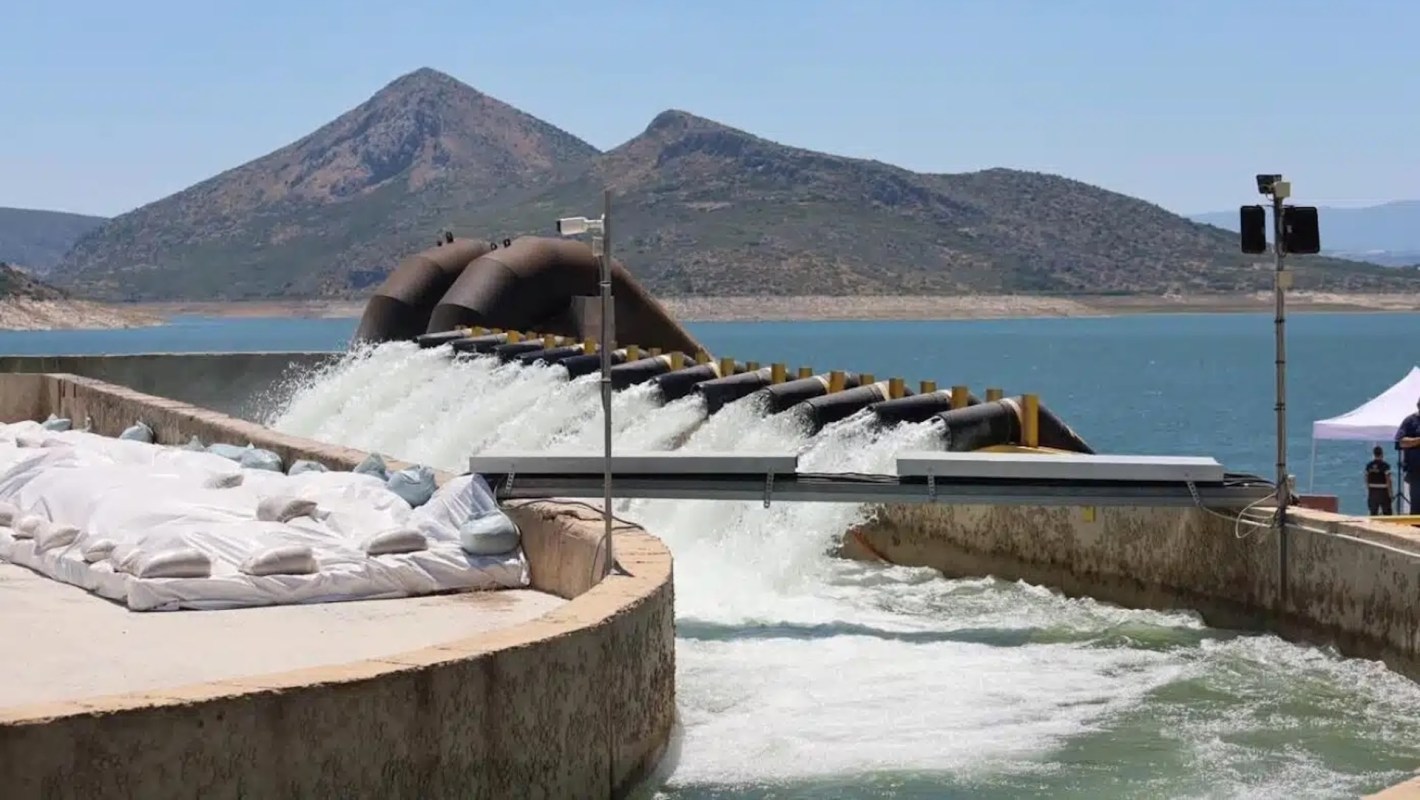
In an effort to reuse wastewater for irrigation as drought and hotter weather squeeze resources, Greece has turned to sewer mining.
Here's what to know
According to Greek Reporter, the wastewater-recycling project inaugurated in December 2025 in Markopoulo was developed by the Athens Water Supply and Sewerage Company and the National Technical University of Athens.
Rather than relying on a distant treatment plant, the system cleans wastewater close to where it will be used and provides reclaimed water for irrigating urban green areas.
Not every use requires potable water. By reserving drinking-quality water for cooking, drinking, and hygiene, cities can stretch limited supplies further while still maintaining parks, trees, and other greenery that helps cool neighborhoods during Greece's long, hot summers.
Markopoulo has two projects lined up, including a pilot in Metamorfosi that Athens Water Supply and Sewerage Company's sustainability reporting identified as "the first sewer mining application in Greece," and the installation at the Athens Urban Tree Nursery in Goudi Park.
Sewer mining takes a different approach from conventional centralized treatment. Because it works on a smaller, decentralized scale, it can reduce how far wastewater and freshwater need to be transported.
TCD Picks » Quince Spotlight
💡These best-sellers from Quince deliver affordable, sustainable luxury for all




More background
The technology moved from proof of concept to use in urban settings. Metamorfosi was the first demonstration. Goudi Park showed the method could operate in a real city environment, producing reclaimed water that met standards for unrestricted irrigation and urban use.
At Goudi Park, the National Technical University of Athens described the site as a "living lab" for testing circular-economy ideas in everyday urban conditions, not just for treating water. Reliable irrigation can help keep public green spaces healthy during heat waves.
The project treated wastewater as a resource rather than as a one-way waste stream to help conserve high-quality freshwater for the purposes that require it most.
What's being done?
Markopoulo represents the most advanced stage of the work, using membrane bioreactor technology alongside ultraviolet treatment, while also incorporating solar power and digital systems for monitoring and control.
Researchers are also continuing to study the technology. The National Technical University of Athens' circular-economy water research program runs through 2028 and includes ongoing operation and monitoring of the Athens nursery pilot.
Athens Water Supply and Sewerage Company sees wastewater reuse as one part of its wider water-management strategy, particularly in Eastern Attica.
While these projects are still pilots and demonstrations, not replacements for Athens' conventional water network, they point to a path for cities facing water stress to reuse more water locally and preserve potable supplies for essential needs.

Get TCD's free newsletters for easy tips, smart advice, and a chance to earn $5,000 toward home upgrades. To see more stories like this one, change your Google preferences here.






