


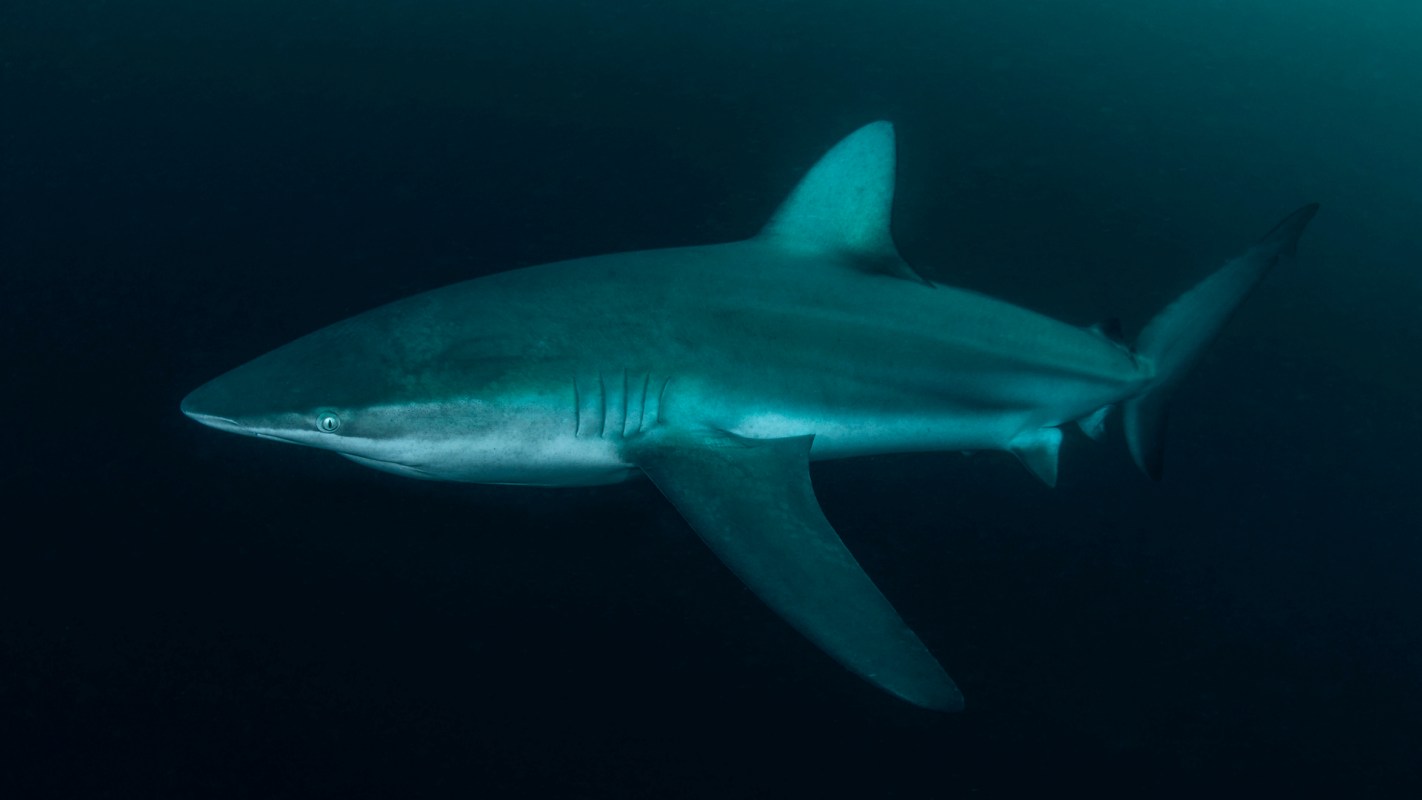
Beachgoers on Cape Cod are used to keeping an eye out for great white sharks. This year, researchers said another large predator may also be returning to the area: the dusky shark.
Scientists said the public safety advice is not changing, but the new sightings suggest a shifting coastal ecosystem that people will be watching more closely as swimming season ramps up.
According to the Boston Herald, local white shark researchers on Cape Cod said they will be tracking dusky sharks this season after the species was reported attacking seals near Nantucket and appearing off Orleans' Nauset Beach, an area already known for frequent great white activity.
Megan Winton, senior scientist with the Atlantic White Shark Conservancy, said that researchers had not before observed dusky sharks feeding on seals off Massachusetts.
Now, that appears to be changing.
"It's something we're going to be keeping track of this year," Winton said, according to the Boston Herald. "We're definitely going to be closely monitoring them."
TCD Picks » Quince Spotlight
💡These best-sellers from Quince deliver affordable, sustainable luxury for all




Many beachgoers could mistake dusky sharks for white sharks. They reach about 8 to 10 feet and are usually gray, with darker coloring along the fin edges.
But researchers said their fins curve rather than forming the classic triangular white shark dorsal fin, and their movement can appear more snake-like in the water.
The update comes just as the season's first confirmed white shark report came off Martha's Vineyard after a shark killed a seal — a sign that the region's annual shark season is underway.
Any additional apex predator in shallow coastal waters is bound to get attention, especially in a popular summer destination.
Dusky sharks have been tied to relatively few human interactions, but their large size and use of shallow coastal waters mean they are still considered potentially dangerous.
For everyday beachgoers, the immediate takeaway is practical — stay alert, and avoid swimming near seals or dense schools of fish. Those same conditions that attract sharks can turn a routine swim into a risky one.
There is also a broader human angle. Marine animal movements are often shaped by human activity, from protections that helped seal populations rebound to broader ocean changes linked to warming waters.
When prey returns or habitats shift, predators often follow. In that sense, more shark sightings can reflect both ecological recovery and the ways people continue to reshape coastal environments.
That makes this story about more than fear. It is also a sign that ocean ecosystems are dynamic — and that communities, researchers, and visitors need to adapt to those changes.
Cape researchers already have a shark-warning system in place to help reduce risk. Real-time receivers off the Cape let lifeguards know right away when a tagged white shark is nearby, so the water can be cleared when necessary.
Winton said they will extend that close attention to dusky sharks as well, watching for patterns in where and when they appear. Better monitoring can help improve beach safety while also building a clearer picture of how marine food webs are changing.
For swimmers, the guidance remains simple and familiar: follow local beach advisories, respect lifeguard instructions, and avoid areas where seals are active.
Choosing guarded beaches and staying informed can dramatically reduce risk without keeping people out of the water altogether.
That kind of coexistence matters as wildlife returns to places people also love to use. Cape beaches are shared spaces, and smart habits can help make them safer for everyone.

Get TCD's free newsletters for easy tips, smart advice, and a chance to earn $5,000 toward home upgrades. To see more stories like this one, change your Google preferences here.






