


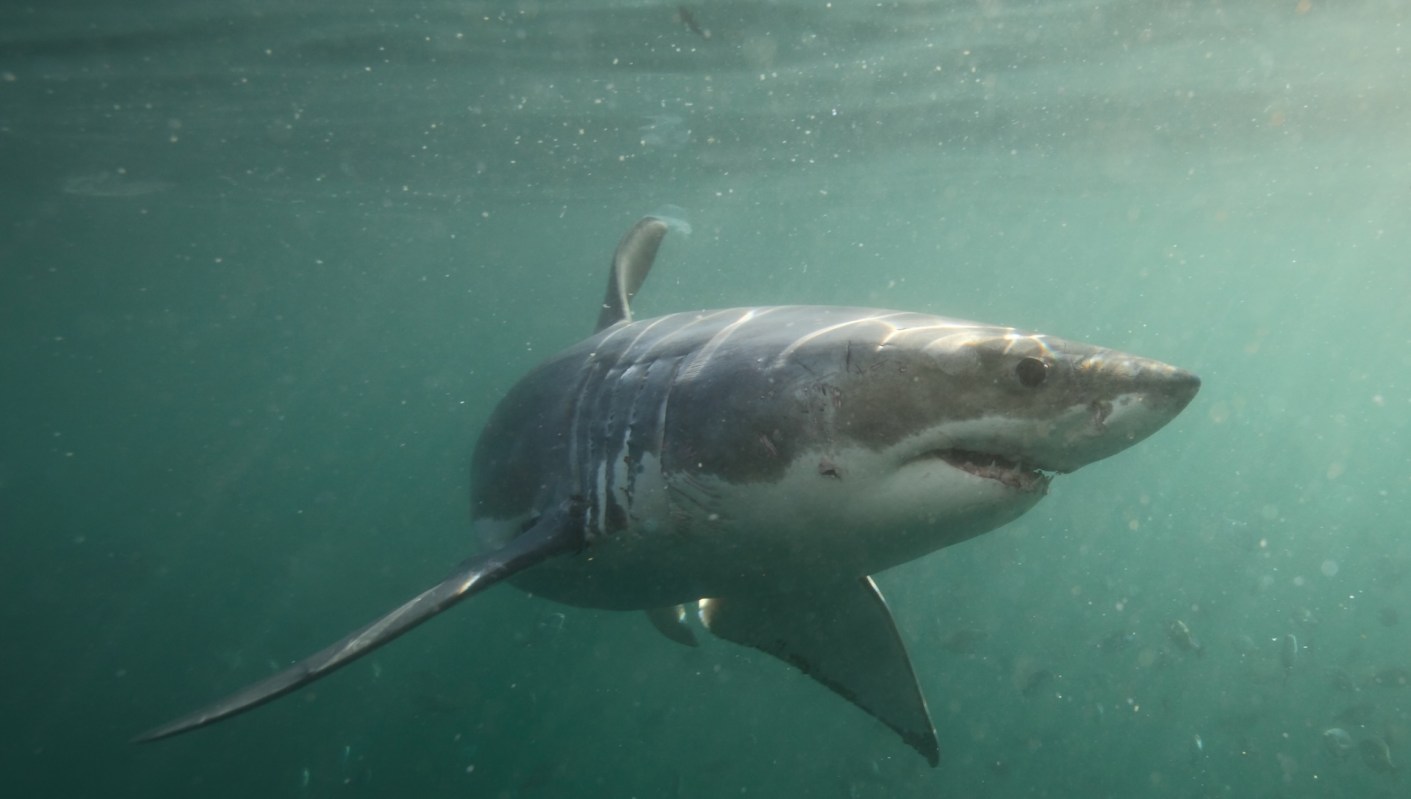
In Nova Scotia, a dead great white shark weighing roughly 1,280 pounds washed ashore, and researchers still do not know what happened to it.
Making the incident an even greater mystery, a necropsy over the weekend failed to reveal a clear cause of death.
What happened?
According to CBC News, the shark was a male great white discovered Friday on a beach near Pictou, Nova Scotia.
After the 13-foot-long animal was found, the Marine Animal Response Society carried out a weekend necropsy of the shark, which turned up no conclusive results.
MARS, a Canadian conservation organization, shared more information about the mystery on Instagram.
The organization noted that, "Because the shark was reported so quickly, MARS Response Technicians… were able to conduct a full necropsy the following day while the carcass was still exceptionally fresh. No obvious cause of death was identified during the necropsy, and additional diagnostic testing is now underway."
TCD Picks » Quince Spotlight
💡These best-sellers from Quince deliver affordable, sustainable luxury for all




MARS stated that despite this, "Every shark we investigate helps improve our understanding of a species that is both protected and endangered in Canadian waters."
Why does it matter?
The death of an apex predator can reveal a great deal about the waters it moved through. Great white sharks sit near the top of the food chain, so when one turns up dead without an immediate explanation, it can raise concerns.
CBC reported that warmer seas, stemming from our warming climate, are pushing some marine life, including these sharks, to move farther north. Yet, climate change does appear to be making life harder for great whites, potentially causing them to fatally overheat.
Warming conditions, alongside access to fewer prey resources, are putting these predators increasingly at risk.
One researcher who has published on heat risk to sharks, Edward Snelling, explained in a press statement that "these species are being pushed closer to their physiological limits, which could have consequences for where they live and how they survive. These animals are already operating on a tight energy budget, and climate change is narrowing their options even further."

Get TCD's free newsletters for easy tips, smart advice, and a chance to earn $5,000 toward home upgrades. To see more stories like this one, change your Google preferences here.






