


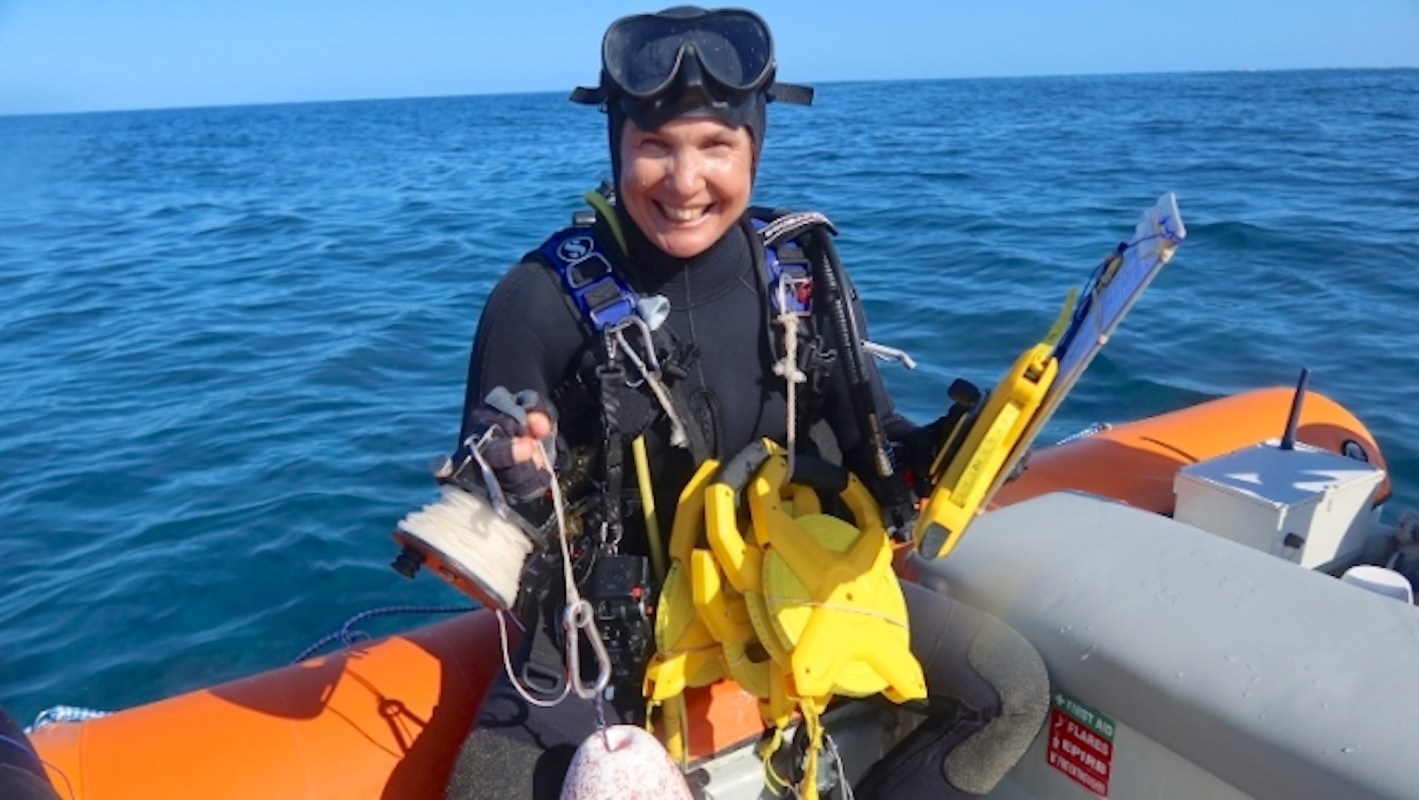
Working on the Great Barrier Reef may sound like a dream job, but for scientists in the Australian Institute of Marine Science's Long-Term Monitoring Program, it can mean months at sea, rough weather, repetitive surveys, and even being towed behind a boat while mentally counting coral, fish, sharks, and signs of bleaching.
It is extremely demanding work, but it is helping build one of the world's clearest long-term records of how the reef is changing as the program marks its 40th year.
What's happening?
This year marks the 40th anniversary of the Australian Institute of Marine Science's Long-Term Monitoring Program, or LTMP. In a release published by Mirage News, the Australian Institute of Marine Science (AIMS) said the program is among the world's longest-running continuous reef monitoring records.
Fieldwork for the program can be intense, with scientists spending up to 120 days a year at sea and, during 20-day runs, surveying as many as five reefs in a single day.
Michelle Jonker, a benthic ecologist who has spent 20 years with the program, said one of the first techniques she learned at AIMS was manta towing. In that method, a scientist wearing a mask and snorkel holds onto a board while a boat tows them along the reef, with observations recorded in timed two-minute intervals.
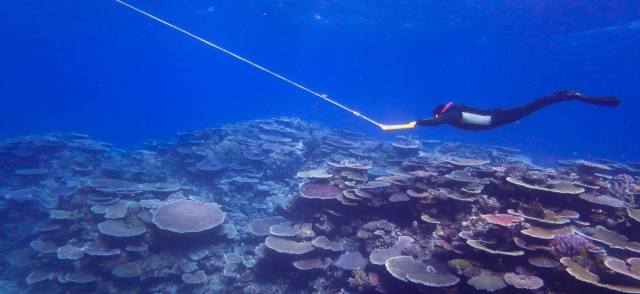
What the program tracks has broadened over the years. Once centered on coral and crown-of-thorns starfish, the surveys now also cover bleaching, shark counts, fish populations, coral disease, and other signs of reef health.
TCD Picks » Quince Spotlight
💡These best-sellers from Quince deliver affordable, sustainable luxury for all




LTMP Reef Fish Section Lead Dr. Daniela Ceccarelli said the team's reputation was a major reason she joined the effort: "LTMP had a reputation of being not just the pioneers of reef monitoring, but the elite; a very experienced and incredibly competent team. They were legendary."
Former AIMS scientist Ian Miller, the longest-serving LTMP team member, spent 32 years in the program and estimated that he logged about 21,000 manta tows and 3,000 dives.
Why does it matter?
Reef decline does not happen all at once. Storms, coral bleaching, disease, and crown-of-thorns outbreaks can reshape reefs over years, and scientists need consistent methods to understand what is changing and why.
Coral reefs help protect coastlines, support fisheries and tourism, and sustain marine biodiversity that local communities and economies rely on.
Ceccarelli put that connection plainly: "When I'm out there, I'm reminded we owe the ocean so much; like the oxygen we breathe, food and livelihoods, the protection of our coastlines, and coral reefs are especially precious."
Jonker said some of the reefs she remembers most vividly once had high coral cover but were later dramatically altered by bleaching and crown-of-thorns damage.
That kind of firsthand, carefully measured evidence gives policymakers, conservation groups, and coastal communities better information as they respond.
What's being done?
AIMS has kept the program going through repeated surveys, trained observers, and permanent reef sites that allow scientists to compare conditions from year to year.
New staff do calibration tows alongside more experienced scientists to keep methods consistent.
The job is changing with new tools as well. Jonker said the team now uses ReefCloud's AI for data processing and analysis, while better satellite technology helps researchers at sea stay in touch with family and keep working during bad weather.
Modern vessels and a stronger focus on field safety have also changed the experience compared with the program's early days, when crews had to deal with cramped quarters, limited fresh water, and navigation without GPS.
"Working on the LTMP makes me realize I belong to something bigger than an individual trip or data point," Ceccarelli said.
Miller also emphasized the human side of the work: "The people I have worked with have been dedicated and very smart. They love what they do."

Get TCD's free newsletters for easy tips, smart advice, and a chance to earn $5,000 toward home upgrades. To see more stories like this one, change your Google preferences here.






