


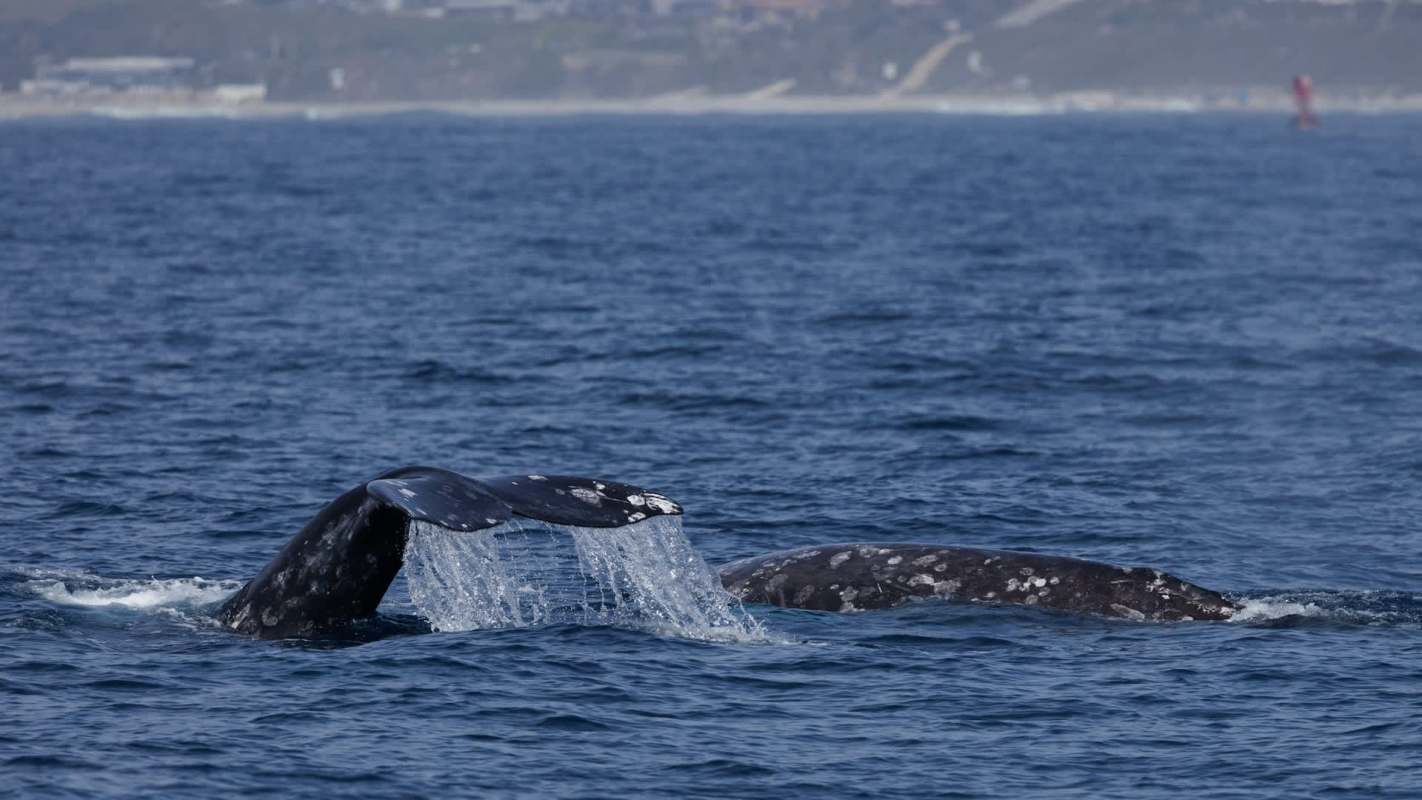
Unusually large numbers of gray whales near Kodiak Island are giving Alaskan communities and marine scientists an uncommon reason for hope.
Near Pasagshak Bay in the summer of 2025, Sun'aq Tribe natural resources director Matt Van Daele expected to see only a few whales. However, it proved to be a much bigger gathering.
As KMXT reported, he said the scene was so packed that "it looked like smokestacks from all the whales breathing."
What happened?
The scale of the jump was dramatic. After seeing only about 20 to 30 gray whales the previous year, Van Daele estimated nearly 150 that day, and sightings rose to nearly 300 by the end of the season. Early signs now suggest that 2026 could bring similarly high numbers.
Researchers in other parts of Alaska are seeing much the same.
Lauren Wild, a research biologist and assistant professor of applied fisheries at the University of Alaska Southeast's Sitka campus, said that when she was growing up, only "maybe 10 or 15 whales" came through to feed each year. But in 2020, that changed sharply.
TCD Picks » Quince Spotlight
💡These best-sellers from Quince deliver affordable, sustainable luxury for all




"When I was out collecting herring eggs, I counted just sort of skiffing around with a friend, so not an official number, but I counted close to 200 individuals," she said.
One explanation is that the whales are turning to places like Kodiak because their usual Arctic summer feeding grounds are no longer producing enough food. If they are not able to put on weight in the Bering and Chukchi seas, alternative feeding areas such as Kodiak become more important.
"They're very intelligent creatures, they're individuals, and so they're going to go where the feed is," said Van Daele.
Why does it matter?
This migration shift comes at an unsettling time for gray whales overall. After rebounding from near-extinction following hunting bans, the species has run into renewed struggles in recent years.
The decline is also showing up in stranding records. National Oceanic and Atmospheric Administration figures show 61 gray whale strandings along the West Coast in 2024, 179 in 2025, and at least 127 so far this year.
A likely driver, researchers have said, is long-term Arctic warming tied to a warming planet, which has reshaped the ecosystem and reduced prey in monitored feeding areas.
John Calambokidis, a co-founder and research biologist with the Cascadia Research collective, told KMXT, "The Arctic is an area that has seen, over multiple decades, pretty dramatic ecosystem changes, and where some of the areas gray whales feed that are monitored, there's been dramatic declines in the prey abundance."
The effects are not the same everywhere. In places such as San Francisco Bay, the shift has coincided with more deaths from starvation and boat strikes. In parts of Alaska, by contrast, the whales appear to be leaving in better condition than when they arrived, a sign that some habitats may still provide refuge as ocean conditions continue to change.

Get TCD's free newsletters for easy tips, smart advice, and a chance to earn $5,000 toward home upgrades. To see more stories like this one, change your Google preferences here.






