


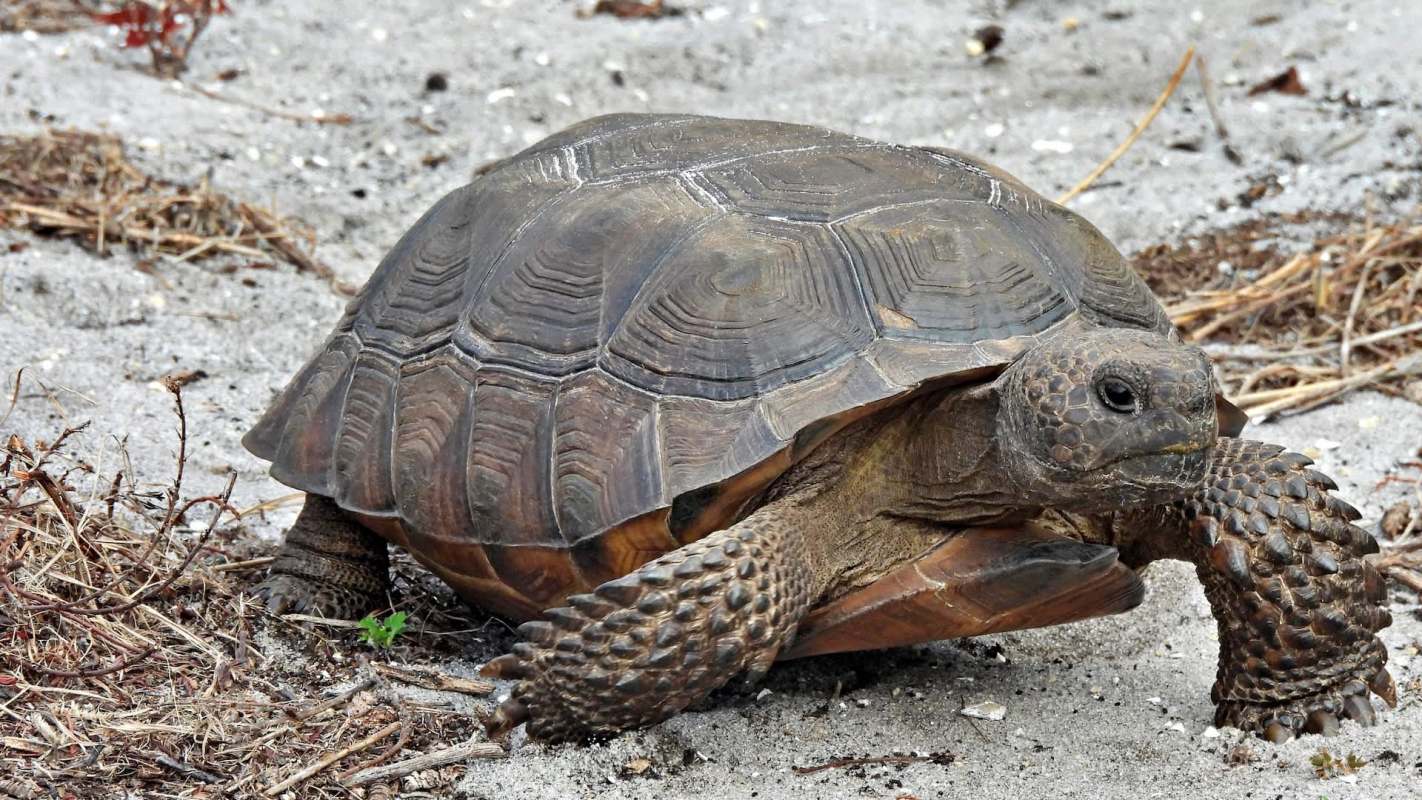
Florida's gopher tortoise, a quiet but vital presence across the Southeast, has received a troubling new designation. The species is now listed as critically endangered, a sign that one of Florida's most important ecosystem builders is disappearing.
According to the South Florida Sun Sentinel, the International Union for Conservation of Nature based that change on a Red List assessment showing the species has declined by more than 80% over the past three generations.
What happened?
Florida was highlighted in the latest assessment as a major center for the species where numbers have fallen sharply since the 1960s, and this month the IUCN moved the gopher tortoise from "vulnerable" to "critically endangered."
That marks a significant shift for a reptile found in every Florida county and long regarded as a defining part of the state's upland landscapes.
The biggest threat, experts say, is the disappearance of the upland habitats gopher tortoises need, including longleaf pine sandhills and coastal dunes. That loss has wider consequences because the burrows tortoises dig are used by hundreds of other species.
Elise Bennett, Florida and Caribbean director at the Center for Biological Diversity, described those tunnels as "these sort of life-giving forces in the southeast's upland habitats."
TCD Picks » Quince Spotlight
💡These best-sellers from Quince deliver affordable, sustainable luxury for all




Federal safeguards remain narrow. The U.S. Fish and Wildlife Service does not give Endangered Species Act protection to most gopher tortoise populations, including those in Florida; only western groups in parts of Alabama, Mississippi, and Louisiana are covered.
Why does it matter?
The tortoises play an outsized ecological role, so their decline can ripple through the many species and habitats connected to them.
Development can replace native habitat with roads, subdivisions, and commercial projects, pushing tortoises into smaller, more fragmented patches of land.
Bennett argued that relocation does not resolve the underlying issue if the habitat those tortoises came from is still being erased.
Healthy longleaf pine systems and coastal habitats support recreation, tourism, and natural resilience. As those systems erode, communities can lose those environmental benefits.
What's being done?
The Florida Fish and Wildlife Conservation Commission requires tortoises to be moved before site clearing or development, and the agency has said relocated animals usually end up in better habitat than where they were first found.
The state also provides health checks for relocated tortoises and sends animals showing signs of disease to wildlife rehabilitators.
But researchers involved in the new assessment say moving animals cannot offset continued habitat destruction.
Hunter Howell, a co-author of the revised Red List assessment and a member of the international group's tortoise and freshwater turtle specialist group, said, "We basically have been unable to find any evidence of any gopher tortoise population anywhere in their range increasing in population growth."
Leyna Stemle, also a co-author of the assessment, added: "Even in protected areas."
There is also growing legal pressure. The Center for Biological Diversity and Nokuse Education, Inc. sued after the Fish and Wildlife Service declined to list eastern gopher tortoises.
Questions about the federal analysis have also intensified.
Kevin Shoemaker, who teaches ecology at the University of Nevada, Reno, said the errors in the federal population model were significant: "I can tell you these are real errors. It's not a disagreement."
Howell offered an even more sobering warning: "We call these ghost populations. They continue to exist despite being eventually doomed to extinction."

Get TCD's free newsletters for easy tips, smart advice, and a chance to earn $5,000 toward home upgrades. To see more stories like this one, change your Google preferences here.






