


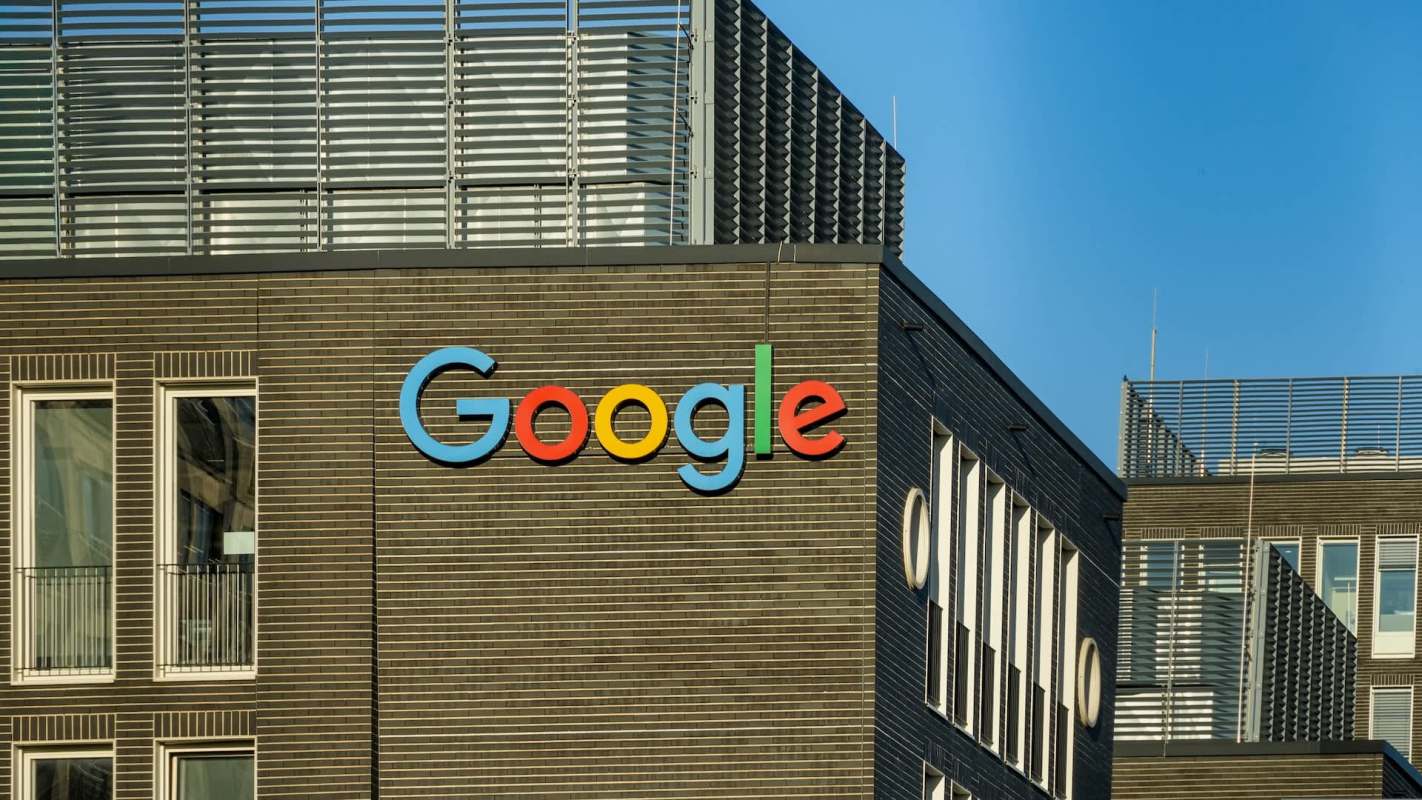
Google's water use in Nebraska rose to roughly 732 million gallons in 2025, intensifying debate over what the AI boom could mean for a drought-prone state.
For some residents and water managers, the total raises a broader concern: If more data centers arrive, can local resources keep pace?
What's happening?
In a report cited by Flatwater Free Press and Grist at the Nebraska Examiner, Google said its Nebraska operations used about 732.1 million gallons of water in 2025. That compares with 46.6 million gallons in 2022 and 134.7 million in 2023.
The company operates data centers in Papillion, Omaha, and Lincoln, and its nearby site in Council Bluffs, Iowa, reportedly used 1.3 billion gallons in 2025.
The Nebraska total for 2025 exceeded the amount Omaha Metropolitan Utilities District customers use in a typical week combined, according to the report.
Still, University of Nebraska-Lincoln College of Law professor Anthony Schutz said the figure looks different in agricultural terms. He noted that it is closer to the amount of water needed to irrigate roughly 2,500 to 3,500 acres of central Nebraska corn, a relatively small share of the state's 9.1 million irrigated acres.
TCD Picks » Quince Spotlight
💡These best-sellers from Quince deliver affordable, sustainable luxury for all




"It remains a small amount relative to that," Schutz said.
How much water a data center uses depends heavily on its cooling system. Evaporative cooling can consume significant amounts of water, while closed-loop systems can reuse liquid for years but often require more electricity.
Why does it matter?
Water availability is uneven across Nebraska, and large parts of the state remain in extreme drought.
Utilities such as Omaha's may have significant capacity, but some rural and suburban areas may lack enough water to support a major new development.
The discussion is also closely tied to AI and the electric grid. AI can help utilities forecast demand, improve grid efficiency, and support cleaner energy systems, but the computing power behind AI tools also requires massive server capacity.
That demand can drive up electricity use, strain infrastructure, increase water consumption, and potentially shift costs onto households if new power generation or transmission is needed.
Water experts say the full impact may extend beyond the data center itself because the power plants supplying those facilities can also use large volumes of water.
"From a logical, common-sense perspective, we really need to stop putting industry in areas where they can't be supported" by natural resources like water, John Winkler, general manager of the Papio-Missouri River Natural Resources District, said.
What's being done?
Google says it uses either evaporative cooling or closed-loop, air-cooled chiller systems depending on local water availability, while Meta's Sarpy County data center uses a mix of both.
Industry groups argue that newer technology should reduce water use over time.
"I think water use will go down, certainly. I think the new technologies are going to be very water efficient," said Dan Diorio, vice president of state policy at the Data Center Coalition.
Nebraska is also moving toward greater transparency. Under a law passed during the Legislature's 2026 session, the state Department of Water, Energy, and Environment will begin collecting annual water-use and energy-demand data from data center developments later this year.
At the same time, some natural resources districts are revising their own rules as communities weigh future projects and whether local supplies can realistically support them.
"They should be a lot more transparent. We should demand it," said University of California, Santa Barbara engineering professor Eric Masanet.

Get TCD's free newsletters for easy tips, smart advice, and a chance to earn $5,000 toward home upgrades. To see more stories like this one, change your Google preferences here.






