


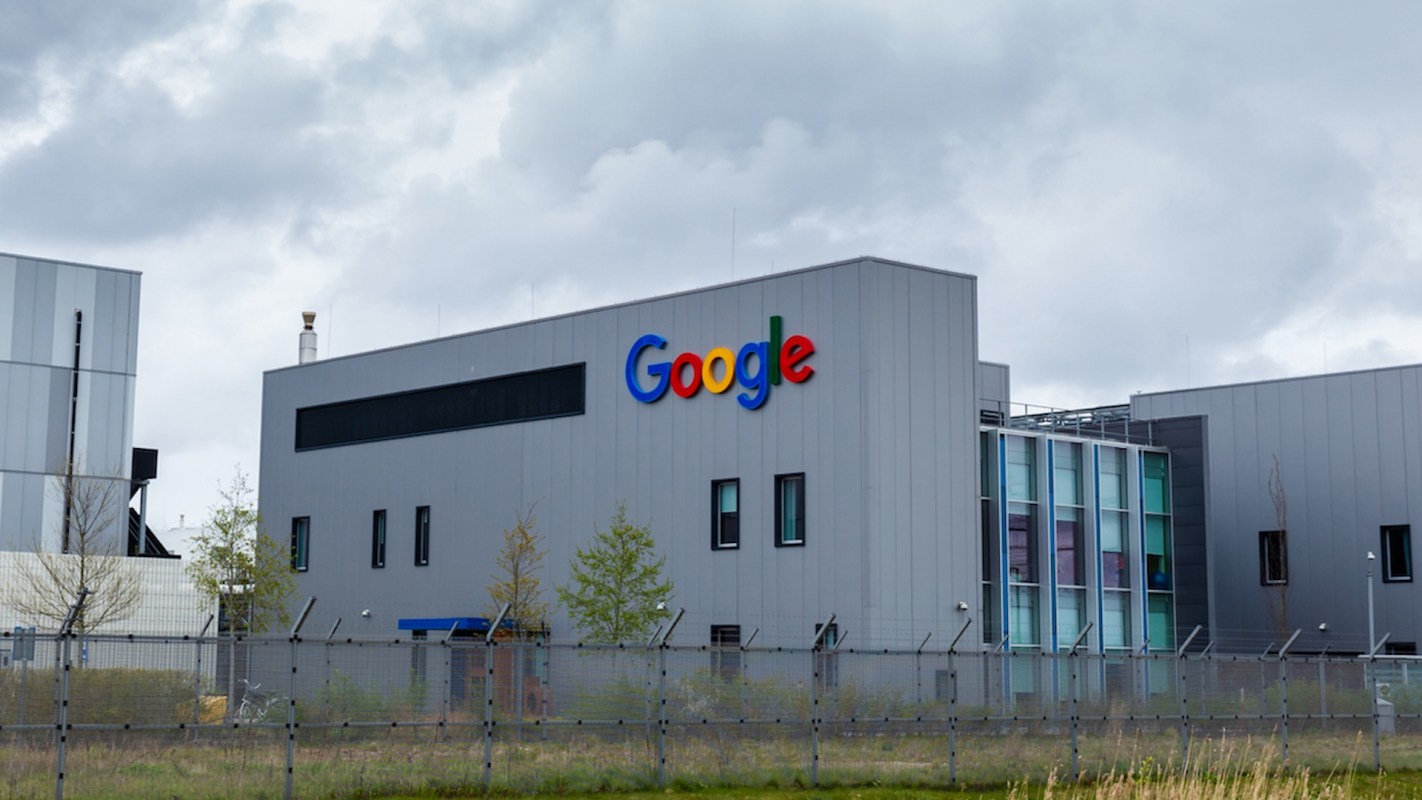
Google is reportedly exploring an idea that sounds more like science fiction than cloud computing: building AI data centers in orbit with help from SpaceX.
According to The Wall Street Journal, the two companies are in talks to secure a deal that could result in space-based data centers. The move comes as the American public has repeatedly shown its distaste for the facilities.
Recent polling has uncovered that roughly seven in 10 Americans say they'd be opposed to having a data center placed in their community, with five in 10 saying they'd strongly oppose it, per The Washington Post.
These strong opinions reflect common concerns about data centers' noise, land use, water consumption, and electricity demand, the latter of which is known to increase residents' electric bills. As AI tools expand, so does the need for warehouses that require massive amounts of power and cooling.
Now, with Google and SpaceX in talks, various space stocks jumped, including Intuitive Machines, Rocket Lab, Firefly Aerospace, and Voyager Technologies.
But putting the data centers up in space is not a simple fix. Orbital data centers would have to solve problems such as shedding heat in space, protecting hardware from radiation, making launch economics work, and moving enough data back to Earth quickly enough to matter.
TCD Picks » Quince Spotlight
💡These best-sellers from Quince deliver affordable, sustainable luxury for all




Moving computing into orbit may sound extreme, but it signals just how difficult it has become to keep building conventional AI data centers on land without triggering local pushback.
AI and the energy grid are now tightly linked. And because training and running AI models requires enormous amounts of electricity, local power systems are experiencing serious strain.
For now, orbital data centers appear to be more of a signal than a near-term solution.
The largest cloud and AI companies are testing every option they can find to reduce the land, water, and power conflicts tied to Earth-based facilities. That includes new chip designs, improved cooling systems, cleaner power sourcing, and alternative locations.
But whether in space or on Earth, the core challenge is the same: building digital infrastructure that people will accept and that grids can support. Policymakers, utilities, and developers are increasingly being pushed to show how proposed data centers will affect local power reliability, water use, and costs for residents.

Get TCD's free newsletters for easy tips, smart advice, and a chance to earn $5,000 toward home upgrades. To see more stories like this one, change your Google preferences here.






