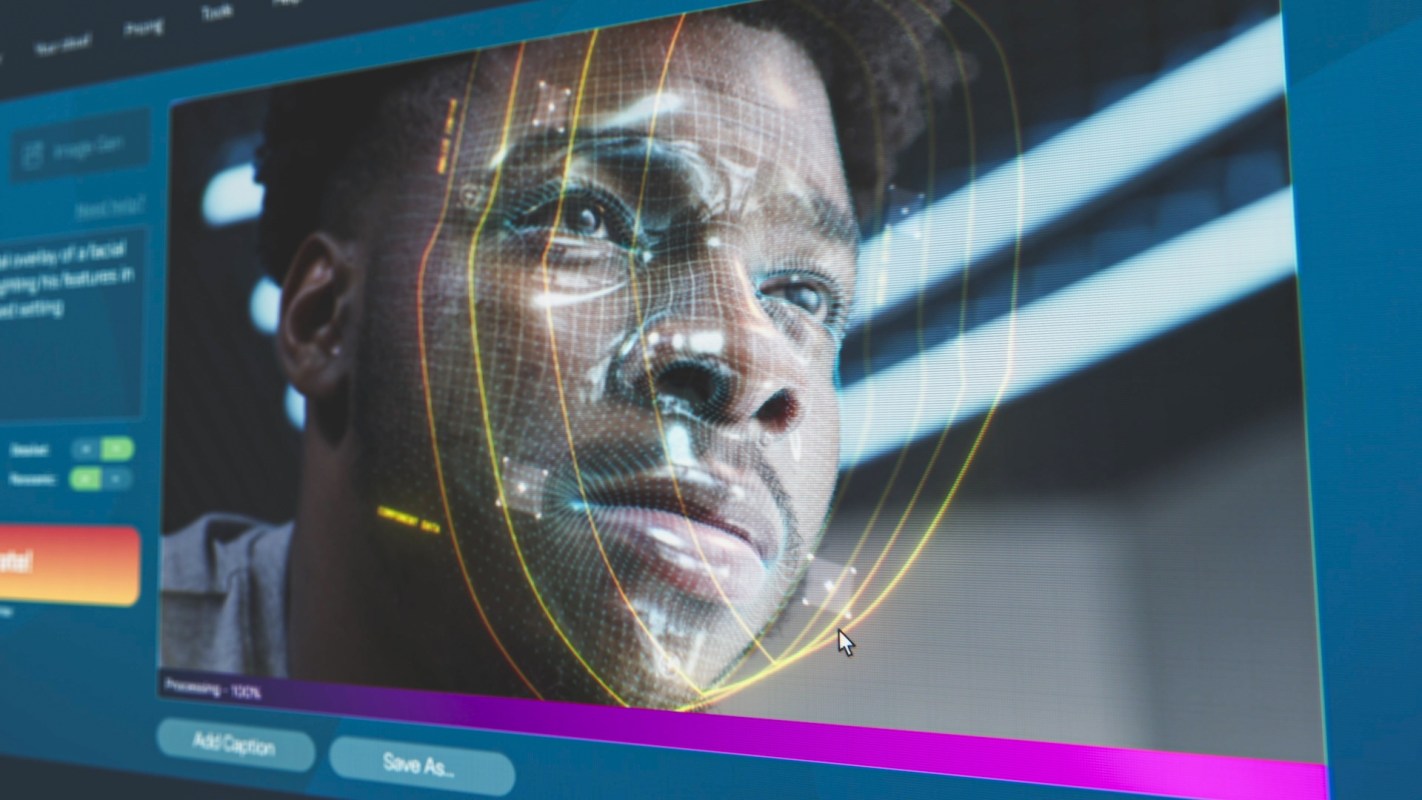
A Google patent filing, "My Channel," would use personal data to cast viewers in starring roles on an AI-generated television channel with customized shows and advertising.
Here's what to know
Patent-tracking publication Patentlyze spotted the filing and shared it with 404 Media. Titled "creating a channel of video experiences tailored to a user," the document described how demographic information, viewing history, and other user data would guide video generation.
Google's proposed system would use a viewer's favorite genres and most-watched content to determine the style and format of the videos.
One hypothetical instruction in the patent read, "You are a customized video generating model. Generate a customized video for a user where the user will play the protagonist. The generated customized video includes characteristics based on the <user_profile>. The generated customized video follows the style and format of the <top_ watches> of the user. The generated customized video sticks to the <preferred_genres> of the user but the narrative for the generated customized video is customized. The <top watches> and <preferred _genres> parameters are ordered from more preferred to less preferred."
An "advertising stitcher" would insert at least one advertisement into the generated content, making commercial messages part of each viewer's tailored stories. The proposed system would connect the personalized entertainment to an advertising server.
More background
As 404 Media reported, Meta allows advertisers to generate multiple versions of an advertisement with AI. Its targeting technology then delivers those versions to people predicted to respond to them.
TCD Picks » Quince Spotlight
💡These best-sellers from Quince deliver affordable, sustainable luxury for all




Streaming television is also moving toward increasingly specialized programming. The outlet described free streaming channels that play individual shows around the clock, alongside TCL's experiments with AI-generated programming. Services such as Samsung TV Plus and TCLtv+ are part of that free-streaming landscape.
A viewer named "John" takes the lead in the patent's sample scenarios, which include a romantic comedy, an action/thriller, a science-fiction adventure, and a crime/comedy caper.
What's being done?
Google's filing outlined an approach promoted by AI advocates, allowing people to generate entertainment around their interests.
One example in Google's patent begins with someone watching cricket highlights. The system could then generate a Cricket World Cup video placing that viewer in the stands cheering for India or interacting with the featured player.
AI relies on resource-intensive computing infrastructure. Data centers draw significant amounts of electricity from the grid, and operating them can also require substantial amounts of water for cooling. However, the technology can also help optimize clean-energy systems. The balance depends on how the technology is developed and deployed.
404 Media raised concerns about increasingly isolated media experiences. A channel generated for each viewer could push audiences further into separate cultural worlds, making shared entertainment experiences less common.
Where can I learn more?
As AI becomes increasingly integrated into advertising, questions about privacy, transparency, consent, and the use of people's likenesses are growing.
• Connecting Gmail and Photos to Google's AI could help target your ads using personal insights.
• In the U.S., OpenAI is adding ads to ChatGPT's image generation experience.
• AI-generated ads are appearing without clear disclaimers, leaving viewers questioning what is real.
• Kalshi used an AI-altered version of Elliott Choy's video in an advertisement.
• In England, a woman spotted her AI-altered likeness in her former employer's advertisement.

Get TCD's free newsletters for easy tips, smart advice, and a chance to earn $5,000 toward home upgrades. To see more stories like this one, change your Google preferences here.