


Recharging on road trips will get a lot easier for people driving non-Tesla EVs.
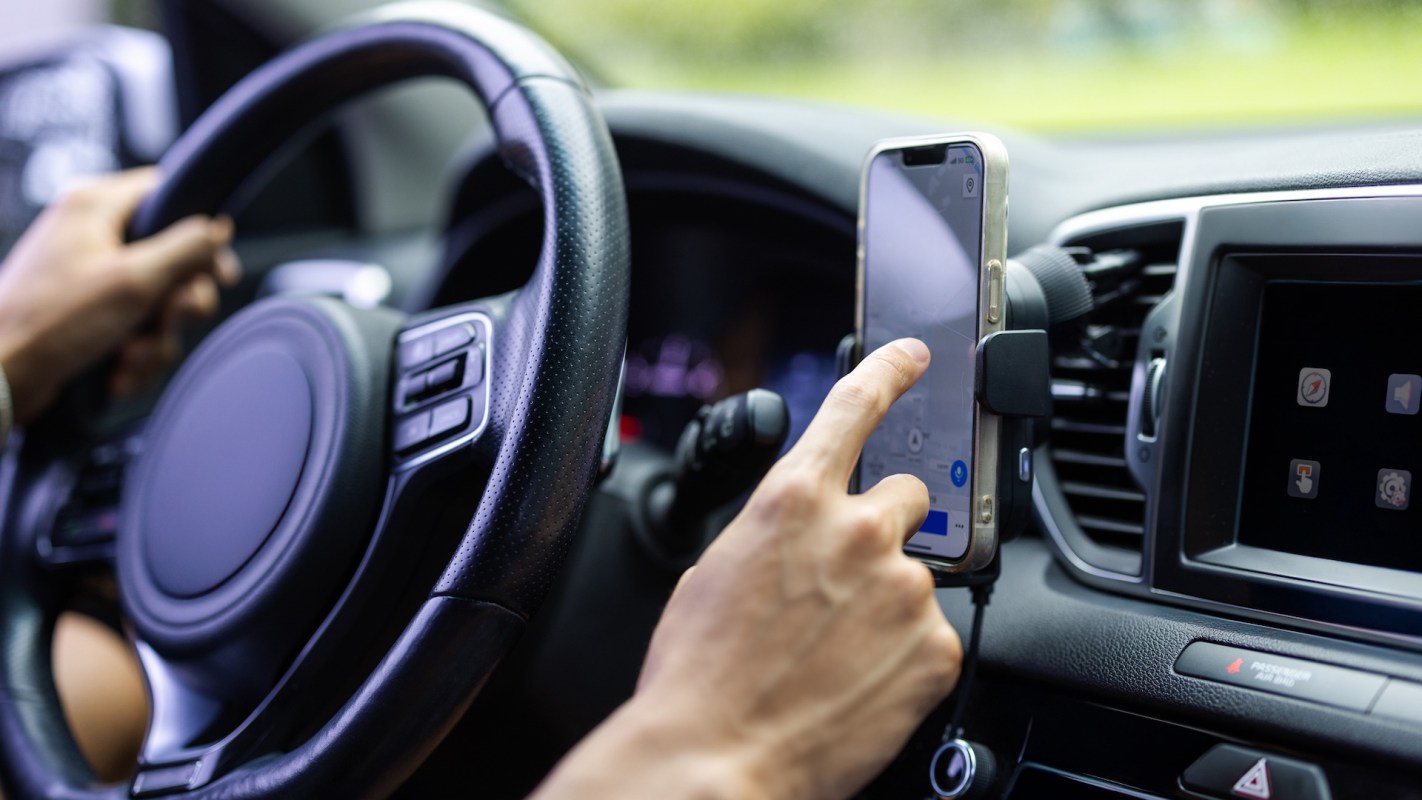
On June 25, Tesla announced on X that it is rolling out a feature on Google Maps for eligible EVs that shows drivers where a Tesla Supercharger station is and how many stalls are open. (Most EVs can charge with Tesla's North American Charging Standard Superchargers.) Google Maps already has a live availability feature for Tesla Superchargers, so this is a step further in Google's relationship with the EV space.
"Forecasted stall availability is rolling out globally to eligible EVs with Google Maps built-in," Tesla wrote on X. "This feature lets EV drivers know predicted Supercharger availability ahead of time."
What happened?
Eligible EVs with Google Maps installed will be able to access the forecasted stall availability feature that Tesla cars already have, according to the site, Not a Tesla App.
With more than 80,000 Supercharger stalls now installed worldwide, Tesla's network is serving a growing role across the wider EV market, not only for Tesla owners. That could make the feature especially useful for drivers of other brands that use Google Maps-based navigation, including Rivian models.
Why does it matter?
Knowing in advance whether a station is likely to be busy can reduce uncertainty and help drivers avoid unnecessary stops. If a charger is expected to be full, they can adjust their route before their battery gets uncomfortably low, rather than arriving to find a line.
TCD Picks » Quince Spotlight
💡These best-sellers from Quince deliver affordable, sustainable luxury for all




Better forecasting could also help address one of the biggest barriers for prospective EV buyers: charging anxiety. More predictable long-distance travel can make electric driving more practical for everyday people. There are also options for making your next car an EV.
The company has continued improving its charging tools even as its sales numbers have struggled. Upgrades like this can still benefit customers across the EV market.
What's being done?
The system works because Tesla can make better predictions when it knows not only who is charging now but also who is on the way. By inviting third-party EV drivers to opt in through Google Maps, the company gains more routing insight and can improve accuracy for everyone using the network, Not a Tesla App reported.
Google Maps also recently introduced AI-powered trip routing for EVs, and Tesla has begun testing virtual queues at some busy sites. These tools are designed to reduce wait times as more EV drivers gain access to Superchargers.
There is also a cost angle for drivers. Charging an EV at home is significantly cheaper than relying on public fast chargers. For homeowners interested in faster at-home charging, Qmerit offers free, instant installation estimates for Level 2 chargers.

Get TCD's free newsletters for easy tips, smart advice, and a chance to earn $5,000 toward home upgrades. To see more stories like this one, change your Google preferences here.






