


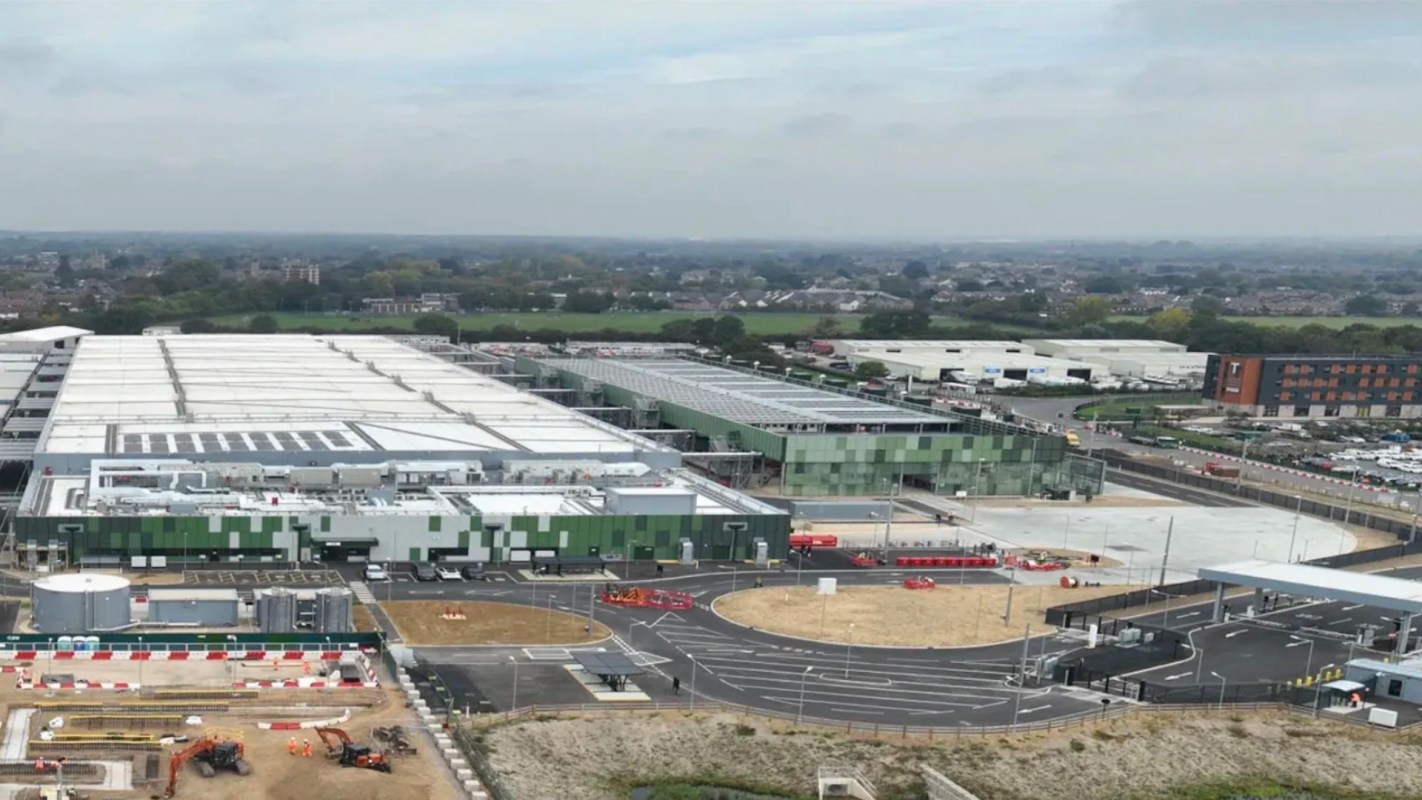
An event meant to introduce Google's new data center near London to nearby residents instead underscored how sharply communities can react when major infrastructure lands close to home.
At a local council office, neighbors reportedly raised a long list of complaints, including a steady hum; overnight light spill; and worries about heat, water use, and property values.
What happened?
The Waltham Cross data center sits on a 33-acre site just north of the M25 and is expected to provide up to 77 megawatts of IT capacity. Google invited nearby residents to ask questions about the project, according to The Register.
Rather than a routine information session, the meeting became confrontational. Residents said communication had been poor and that consultation before approval was inadequate.
Among the issues raised were reports of a distinct low hum from the site, especially during the evening, along with lighting shining into bedrooms throughout the night.
Heat also came up. One attendee pointed to a study that showed data centers can contribute to the heat island effect.
TCD Picks » Quince Spotlight
💡These best-sellers from Quince deliver affordable, sustainable luxury for all




Water use was another major point of tension. Google said the facility would use a closed-loop chiller system and that consumption was "not a concern."
One resident, meanwhile, said he believed the data center was already hurting local house prices and asked whether Google would buy his house.
Why does it matter?
Data centers are becoming a larger part of everyday life as AI tools, cloud services, and connected devices continue to expand. But the facilities that power them can create highly localized burdens, including noise, glare, traffic, land-use conflicts, and public anxiety over water and electricity demand.
If residents feel they were not properly consulted, opposition to infrastructure projects could grow even as governments and companies push to build more computing capacity.
There are also inherent ties between artificial intelligence and the energy grid. AI can optimize clean energy systems, improve forecasting, and make power networks more efficient. At the same time, AI workloads can require enormous amounts of electricity and cooling water, potentially increasing strain on utilities, raising costs, and creating security and misuse concerns.
Those pressures can show up as higher regional energy demand, intrusive nighttime lighting, persistent mechanical noise, and changes to the character — and value — of a neighborhood.
What's being done?
Google sought to calm at least some of the concerns raised at the meeting. On water use, the company said the data center relies on a closed-loop chiller system designed to reduce ongoing consumption.
Google also referenced a deal with Shell and, as The Register reported, said its U.K. operations were expected to run close to 95% carbon-free in 2026.
Better public engagement, clearer environmental disclosures, and more transparent planning could help companies address concerns before projects become flashpoints.
As AI infrastructure expands, communities will likely keep asking the same basic question: Who benefits, and who bears the downsides?
In Waltham Cross, that debate is already underway, with Google insisting water use is "not a concern" even as locals press the company over impacts they say are impossible to ignore.

Get TCD's free newsletters for easy tips, smart advice, and a chance to earn $5,000 toward home upgrades. To see more stories like this one, change your Google preferences here.






