


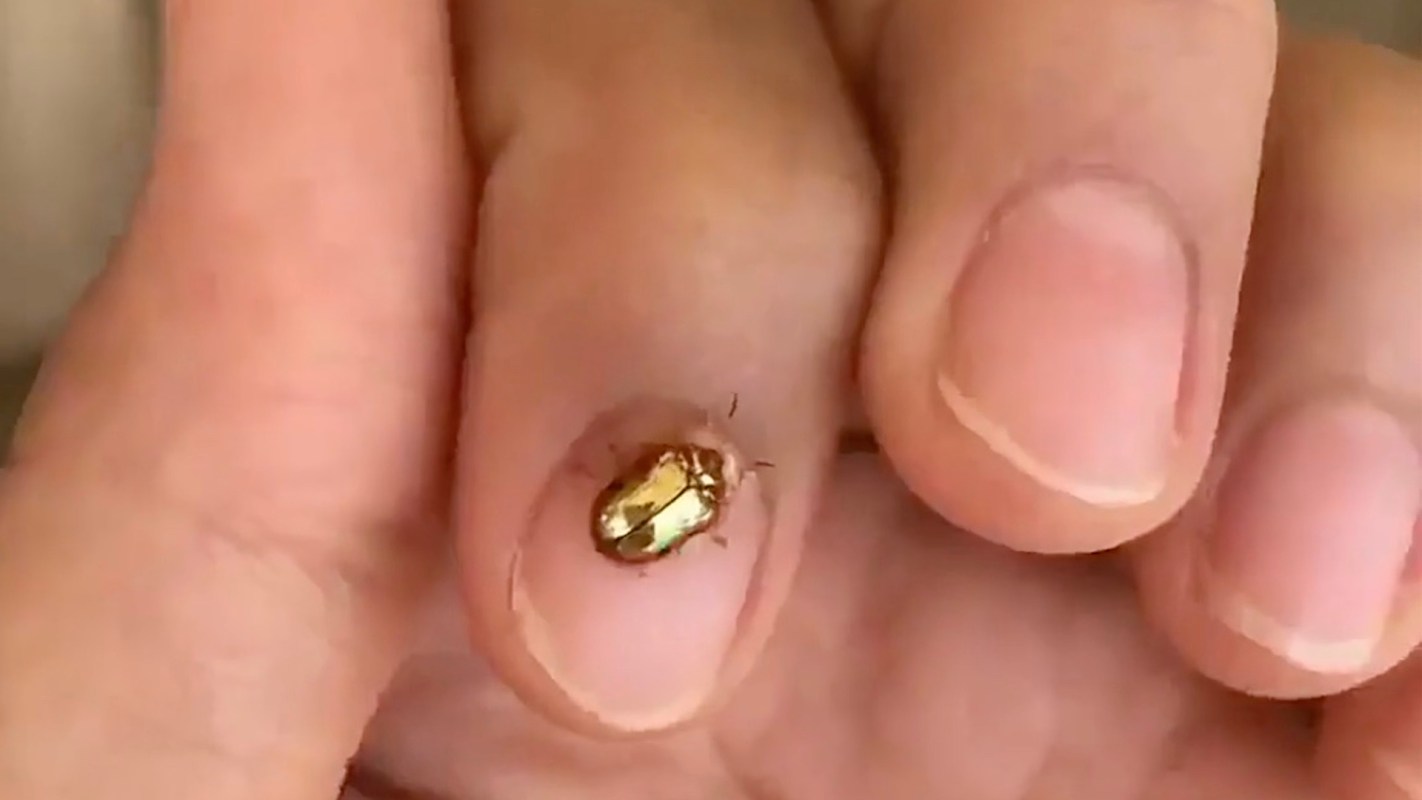
A tiny golden tortoise beetle is captivating people online with a vivid color-changing display that proves some of nature's flashiest tricks go far beyond the surface. In a mesmerizing clip, the beetle appears to lose its mirrorlike shine and reveal a reddish shell underneath — a transformation that left viewers comparing it to a ladybug.
What happened?
The footage appeared in a post on Reddit, where the original poster described the insect simply: "A golden tortoise beetle gradually loses its metallic gold sheen and turns red."
(Click here to watch the video if it doesn't appear.)
The original poster provided an explanation in the thread: "When it's disturbed it loses its metallic reflectivity and reveals the reddish shell underneath which happens to resemble a ladybug."
The discussion also focused on how the effect is produced.
The original poster clarified, "The beetle's metallic sheen isn't caused by pigment, but by structural color—layers of microscopic fluid grooves under its transparent shell that reflect light like a mirror."
TCD Picks » Quince Spotlight
💡These best-sellers from Quince deliver affordable, sustainable luxury for all




One user also mentioned, "I have heard this is the case with many bright colors in the animal kingdom like blue/green bird feathers/ornate butterfly wings."
Why does it matter?
The clip offers a striking example of how wildlife can look almost engineered, even when its features are the product of evolution.
That dramatic shift may serve a purpose as well. A reflective gold exterior could help the beetle stay less noticeable or throw off predators, while the red beneath it can resemble insects associated with warning colors. One Redditor even pointed out that "The shiny surface helps shed heat and regulate its temperature."
People in the discussion also linked the color change to bigger ideas about insect defenses.
One commenter translated the science into simpler terms: "Aposematism, bright colors mean I'm toxic. Müllerian mimicry, multiple species evolve the same looks, everyone benefits. Batesian mimicry, this is just cosplay, a bluff."
What can I do?
Beetles, butterflies, and bees can reveal a lot about local ecosystem health, especially in yards, parks, and community gardens.
In nature, bright colors are not always a danger to people, but they often do have a function — whether that means warning predators, blending in, or reflecting heat.
Among the lighter reactions, one commenter asked, "Why do so many insects that aren't ladybugs, look like ladybugs?"
Another had a short yet comical answer for the disappearing shine, joking that the beetle's "forcefield disabled."

Get TCD's free newsletters for easy tips, smart advice, and a chance to earn $5,000 toward home upgrades. To see more stories like this one, change your Google preferences here.






