


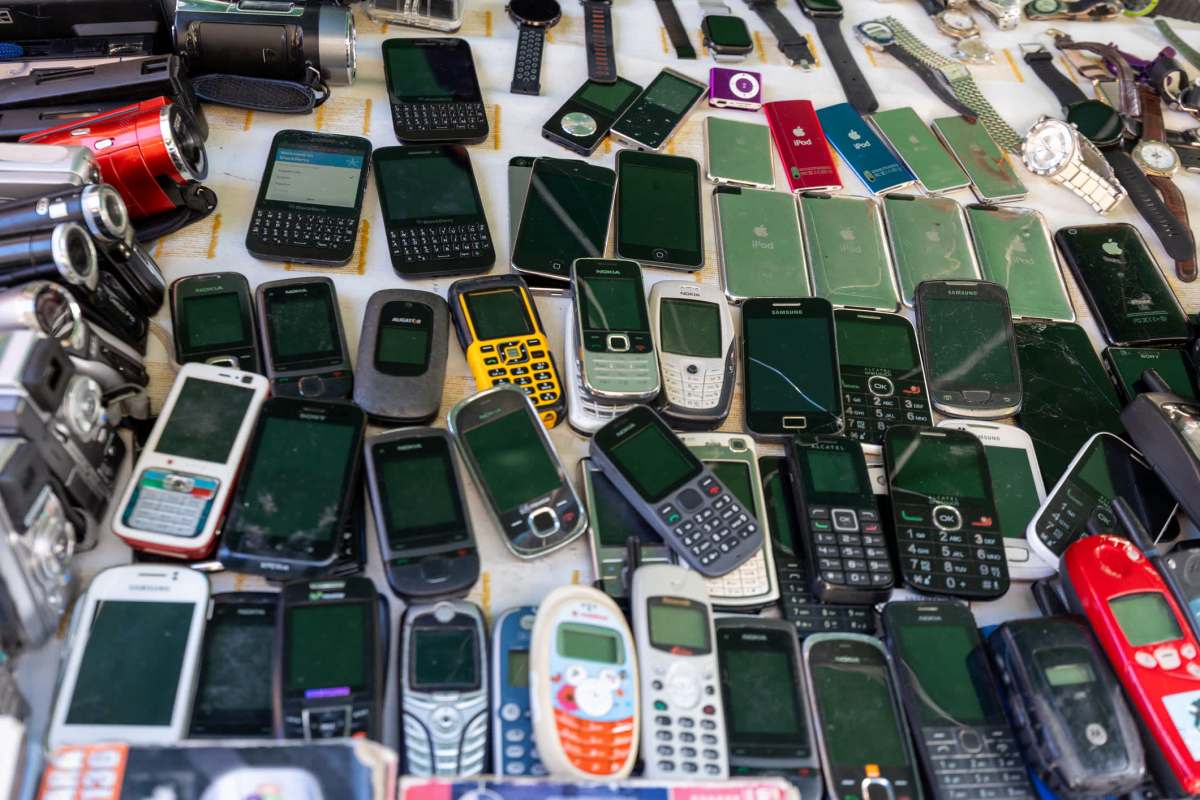
A newly signed licensing agreement could make old phones, spare chargers, and obsolete laptops a more valuable source of recoverable metals.
In a press release, researchers at the University of Edinburgh explained how their process, called gold copper diamide extraction, extracts gold and copper from electronic waste without relying on the extreme heat or highly toxic chemicals often used in conventional recovery methods.
What happened?
Lithium Universe has secured global rights to use the technology and license it onward.
The agreement comes as discarded electronics continue to accumulate quickly. According to the university, global e-waste is projected to reach 93.5 million metric tons by 2030, while only about 20% is recycled through environmentally sound methods.
Today's recovery methods can be especially demanding. Conventional e-waste processing often relies on smelting above 1,200 degrees Celsius or on harsh leaching chemicals, according to the researchers.
GCDE is described as an alternative approach. Rather than using intense heat, the process uses low-temperature hydrometallurgy and reusable organic ligands to extract metals one at a time under mild conditions.
TCD Picks » Quince Spotlight
💡These best-sellers from Quince deliver affordable, sustainable luxury for all




The process avoids cyanide, mercury, and solvent-based extraction, per the University of Edinburgh researchers.
"Electronic waste is effectively a high‑grade 'urban ore,'" Professor Jason Love said in the university release. "Our goal was to design chemistry that can recover those metals selectively and safely, without the energy and environmental cost of smelting,"
Why does it matter?
If it performs well at large scale, the process could make electronics recycling cleaner, safer, and more profitable.
Gold and copper rank among the most valuable materials inside discarded electronics, so recovering them more effectively could keep those resources in circulation longer and reduce the need for new mining.
Processing at lower temperatures could reduce energy use, and avoiding chemicals such as cyanide and mercury may lower risks for workers and nearby communities.
A system that produces less pollution could also give cities and companies a better way to handle the growing stream of broken electronics.
Recovering metals from products already in use would give manufacturers a steadier supply of materials needed for electronics, power systems, and clean-energy infrastructure.
Over time, that kind of circular system could help cut waste-management costs and ease pressure on supply chains tied to everyday products.
What are people saying?
Lithium Universe executive chair Iggy Tan said that GCDE aligns with the company's silver recovery efforts with end-of-life solar panels.
"By integrating selective metal recovery with sustainable processing, Lithium Universe Limited strengthens its competitive position in circular-economy solutions for gold, silver, and copper recovery," Tan said in the release.

Get TCD's free newsletters for easy tips, smart advice, and a chance to earn $5,000 toward home upgrades. To see more stories like this one, change your Google preferences here.






