


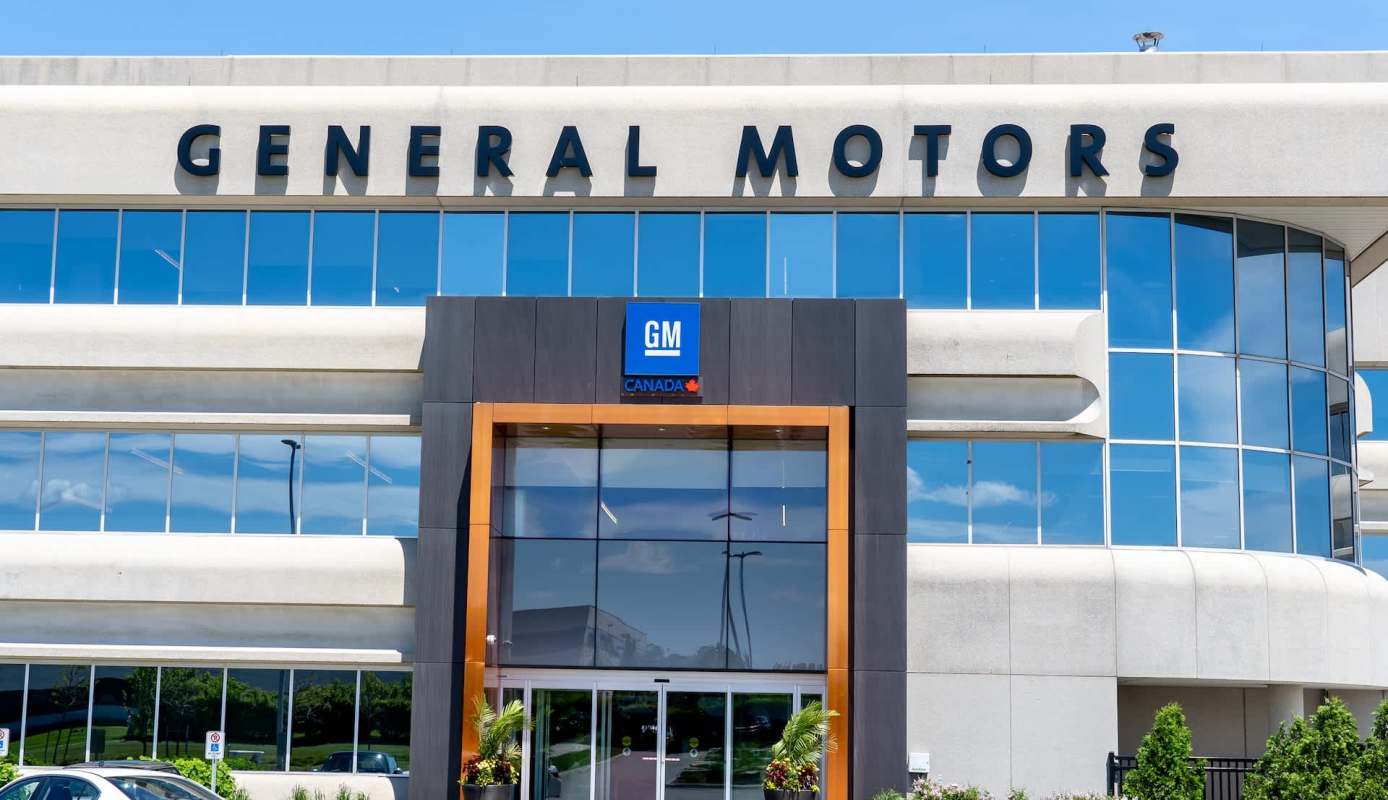
General Motors has agreed to pay $220 million to resolve allegations over a program promoted as a way to help drivers save on insurance that instead supplied data used to set their rates, leaving some owners with higher premiums.
Here's what to know
GM's Smart Driver program provided participants with monthly driving scores and was marketed as a way to qualify for safe-driver discounts through participating insurers, according to Autoblog.
However, some drivers became suspicious after seeing their insurance premiums increase for seemingly no reason. Further investigation revealed that GM had been selling Smart Driver information to data brokers, who in turn handed it over to insurance companies. In some instances, insurers increased rates based on the data.
Once these data sales came to light, GM began to face privacy lawsuits. The nine-figure settlement resolved a case brought by attorneys general from 35 states as well as the District of Columbia.
Other automakers do it, too
GM has not been the only automaker to face allegations of monitoring drivers and then selling that data without authorization.
A similar scheme was behind a class-action lawsuit against Toyota, Autoblog reported. The RAV4 owner bringing the case discovered the alleged monitoring after noticing that his insurance premiums were rising.
TCD Picks » Quince Spotlight
💡These best-sellers from Quince deliver affordable, sustainable luxury for all




Sharing information with outside companies is a separate issue from gathering it within a vehicle. Connected cars' telematics and communications systems collect data as part of their operation, as do devices connected to third-party insurance-discount programs.
However, no comprehensive legal framework exists to give drivers protection when it comes to how their personal data is used and with whom it is shared.
What's being done?
Autoblog reported that GM shut down the Smart Driver program and ended sales of information to LexisNexis and Verisk during 2024.
In addition to requiring that GM pay $220 million, the settlement agreement also mandates that GM put in place safeguards to protect customers' personal information and limit data collection.
GM's other commitments also included not coercing customers into participating in data collection programs and revising dealership training practices.
"Washingtonians' data is personal and valuable, which is why they should always have control over how it's used," Nick Brown, the Washington AG, said in a press release. "We're proud to lead this bipartisan agreement holding GM accountable for misusing drivers' data."
Where can I learn more?
Data sharing has been just one of many insurance-related practices that drivers have challenged of late. These stories take a closer look at other issues, from shady tactics to skyrocketing premiums.
• A New York lawsuit alleged that Allstate refused full rental reimbursement after setting Enterprise's rate.
• A claims-free Farmers customer faced a six-month premium increase of $545, with no loyalty break.
• An EV owner saw insurance rise to $1,690 from $1,180, prompting debate about battery age.
• A newly licensed 21-year-old faced a $7,200 family insurance increase, prompting advice to shop around.
• Colorado's full-coverage rates jumped 36% as one Denver driver reported paying $200 monthly.

Get TCD's free newsletters for easy tips, smart advice, and a chance to earn $5,000 toward home upgrades. To see more stories like this one, change your Google preferences here.






