


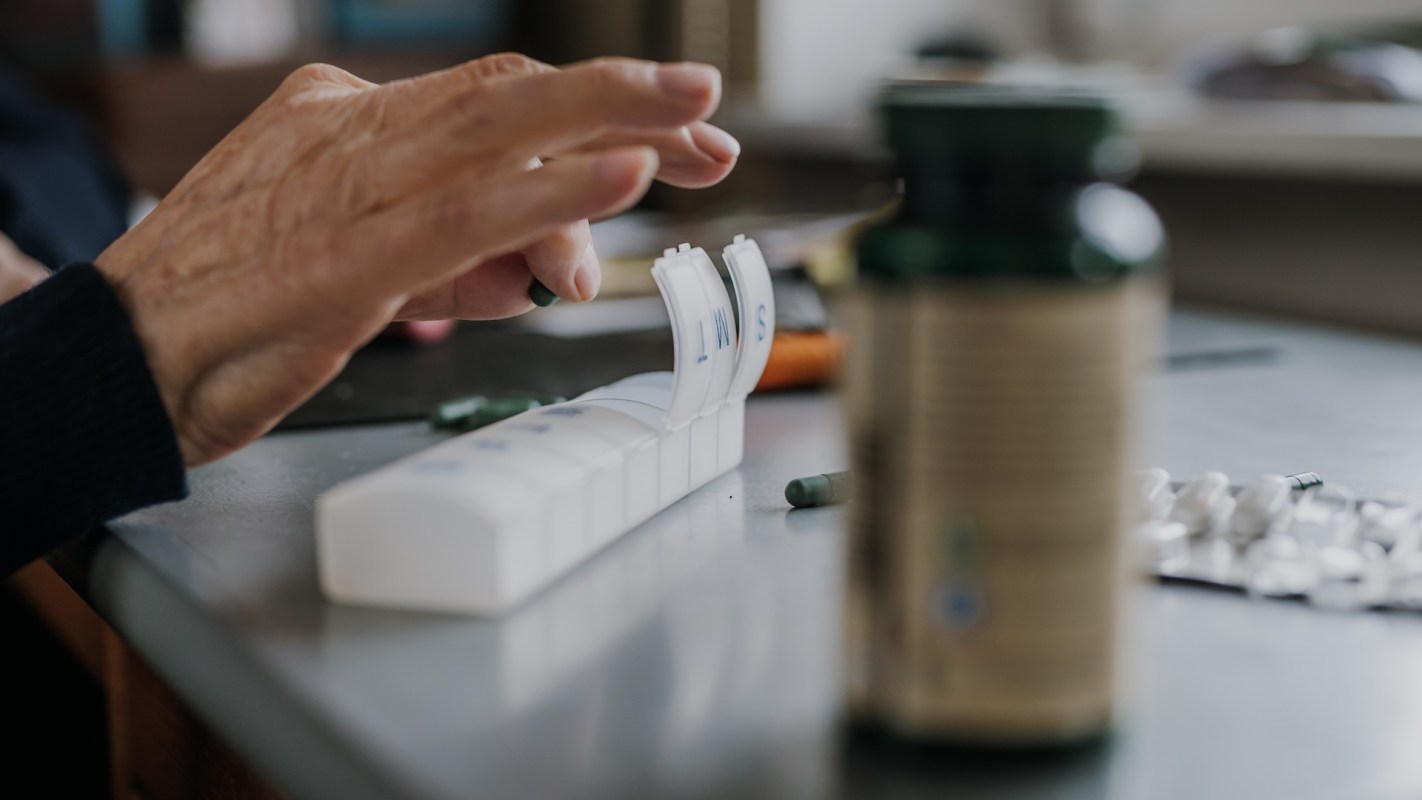
For older adults, an over-the-counter remedy commonly taken for joint pain may come with a lesser-known concern.
A study has linked the common supplement glucosamine, which is often used to treat arthritis, to faster decline in people with mild cognitive impairment, dementia, and Alzheimer's.
University of Florida researchers reported that glucosamine users had 25% higher odds of progressing from mild cognitive impairment into dementia. In patients with Alzheimer's disease and related dementias, the supplement was also associated with a 25% higher risk of death.
The team reached those findings through a retrospective review of deidentified UF Health patient records from 2012 through 2024, alongside lab studies in mice and analyses of post-mortem human brain tissue.
Researchers said 8% of patients with mild cognitive impairment or dementia in those records were regularly taking glucosamine.
Importantly, the study, published in the peer-reviewed journal Nature Metabolism, does not show that glucosamine causes Alzheimer's. But it does add to evidence that a protein "sugar-tagging" process in Alzheimer's brains may be overactive, and the researchers found that glucosamine appears to feed that pathway.
TCD Picks » Quince Spotlight
💡These best-sellers from Quince deliver affordable, sustainable luxury for all




The study's lead author, Dr. Ramon Sun, told Neuroscience News that "a lot of these people actively take an over-the-counter supplement that could be making their disease progression worse."
Glucosamine is sold without a prescription and, as UF Health described it, is commonly used by older adults for joint or arthritis pain. That means some of the people most likely to take it may also be among those at elevated risk for cognitive problems.
Researchers said the supplement crosses the blood-brain barrier, allowing it to directly influence brain chemistry. The findings suggest it may intensify an already overactive system that adds sugar structures to proteins — a process that appears to become dysregulated and harmful in Alzheimer's.
The researchers stressed that the study shows an association rather than proof of cause and effect. Still, it suggests supplements may deserve review alongside medications, especially for older adults juggling several health conditions.

Get TCD's free newsletters for easy tips, smart advice, and a chance to earn $5,000 toward home upgrades. To see more stories like this one, change your Google preferences here.






