


Researchers have found that women taking GLP-1 medications had about 30% lower odds of breast cancer than women who were not using the drugs.
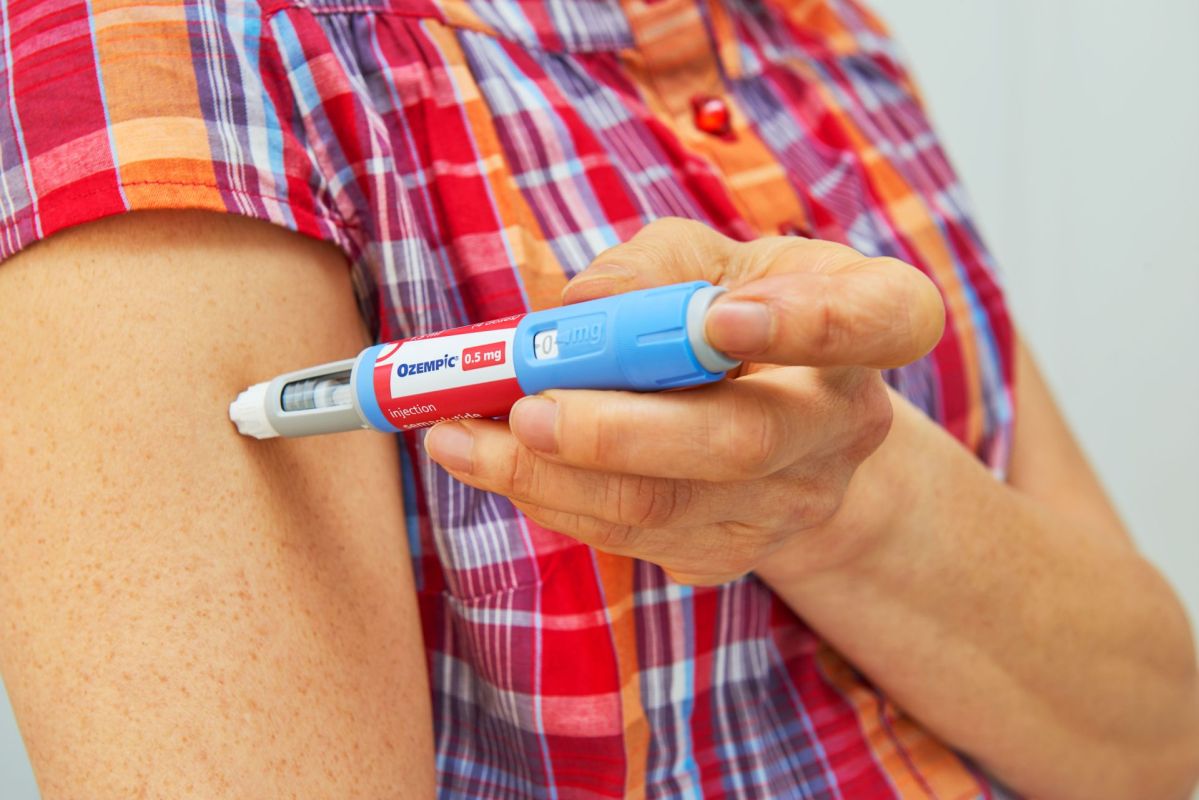
Ozempic, Wegovy, Mounjaro, and Zepbound are already widely known for treating diabetes and for weight loss. Now, a new study suggests that GLP-1 drugs, the class of medications to which they belong, may also be linked to lower odds of breast cancer.
The results were initially reported at the American Society of Clinical Oncology's annual meeting this year and published in the peer-reviewed journal JCO Oncology Practice.
At Penn Medicine, researchers examined the health records of over 111,000 women aged 45 to 80 with BMIs of at least 25 who also underwent breast imaging between January 2022 and June 2025.
Prescription records showed that over 15,000 of these women used GLP-1s. In the overall study population, GLP-1 use was associated with 35.1% lower odds of developing breast cancer.
The researchers did not break out the results by specific drug, so semaglutide medications such as Ozempic and Wegovy were analyzed alongside tirzepatide drugs, like Mounjaro and Zepbound.
TCD Picks » Quince Spotlight
💡These best-sellers from Quince deliver affordable, sustainable luxury for all




Because this was an observational study, it found an association rather than proving that GLP-1 drugs directly prevent breast cancer. Researchers say larger clinical trials are still needed. Scientists believe part of the effect may be tied to weight loss itself, since excess weight after menopause is a known risk factor for breast cancer.
Researchers also think the GLP-1 drugs may have effects beyond weight loss, including reducing inflammation and influencing metabolic pathways that may be involved in cancer development.
Elizabeth McDonald, the study's first author, explained that "while our study was observational and does not definitively confirm an association between GLP-1 medications and reduced breast cancer incidence, it does add to the growing body of evidence suggesting that it's worth investigating these weight-loss drugs as potential cancer prevention tools."
She also said that "GLP-1 medications are intriguing from a cancer research perspective because they weren't designed for cancer therapy, but they do affect many different targets and pathways associated with cancer development, so we're eager to study them in this context."

Get TCD's free newsletters for easy tips, smart advice, and a chance to earn $5,000 toward home upgrades. To see more stories like this one, change your Google preferences here.






